Our Flying Guests 3
1. Sourcing the bird food
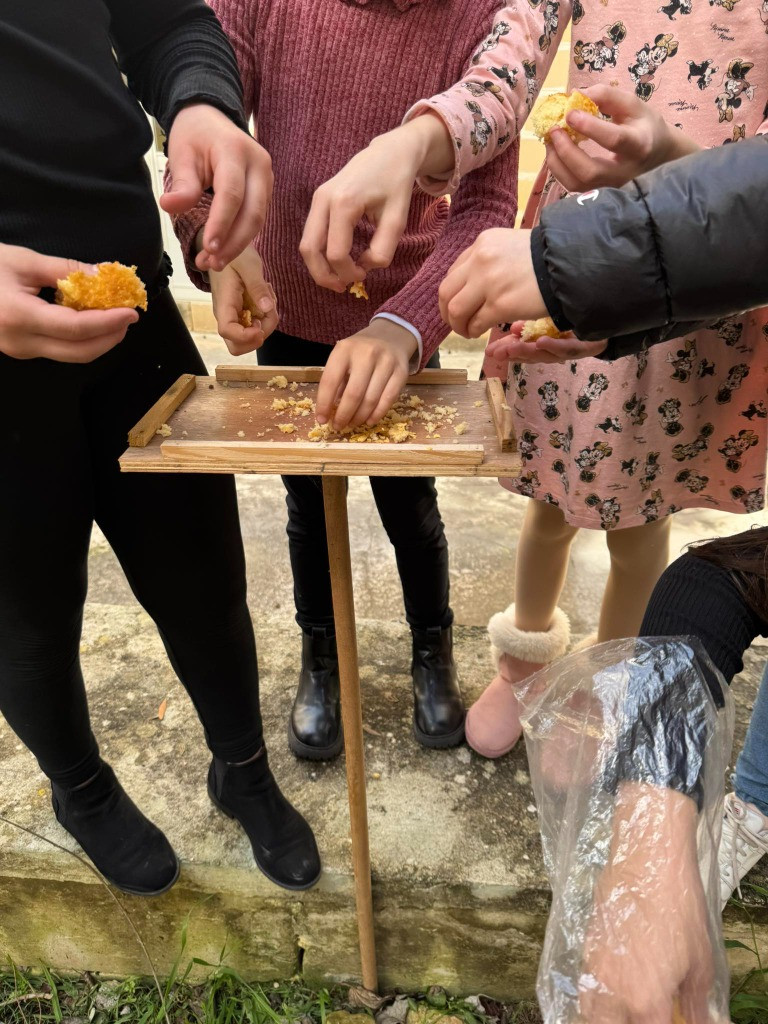
As a class, decide where to get food for your bird table(s). Involve the children in the process rather than doing everything yourself. Link the activity to money management and reimburse any spending as part of the learning experience.
2. Establishing a Feeding Routine
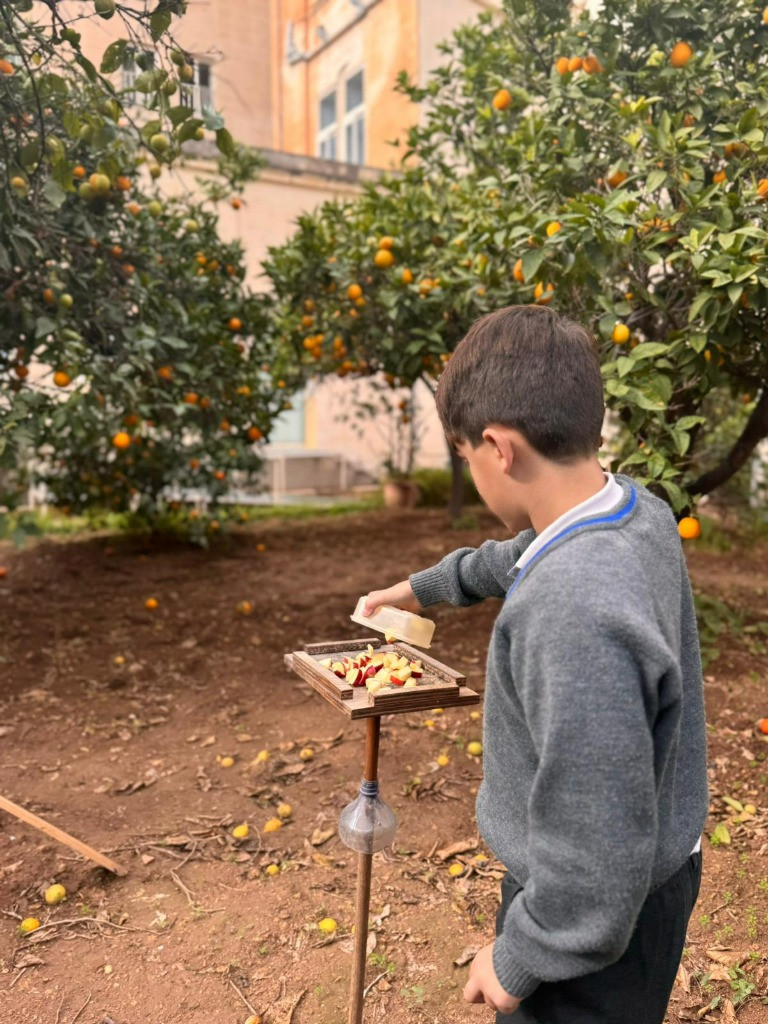
Set up a responsibility routine to ensure the bird table is consistently stocked. Discuss why this is important and link it to how animals rely on humans, just as children rely on adults.
3. Observing the Visitors
Watch the bird table over time and note the types of birds that visit, as well as their behaviours and interactions. If no activity is observed after two weeks, consider changing the location using the “Where Shall We Put It?” checklist (Downloadable Materials) to guide your choice.
4. Keeping a Record
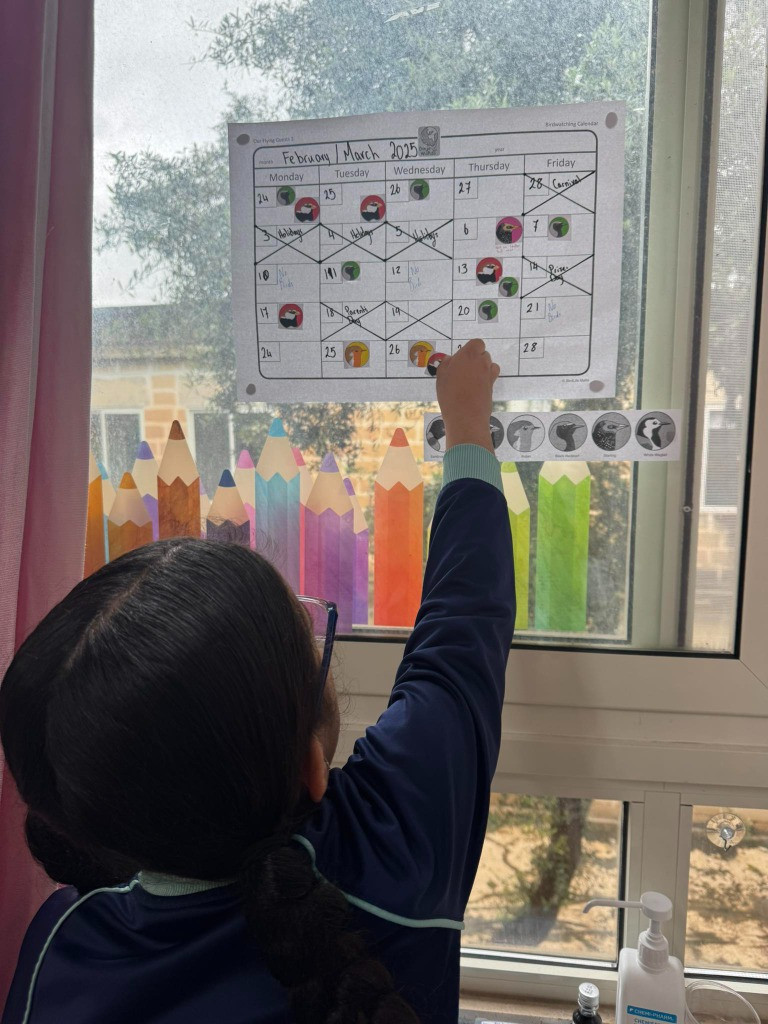
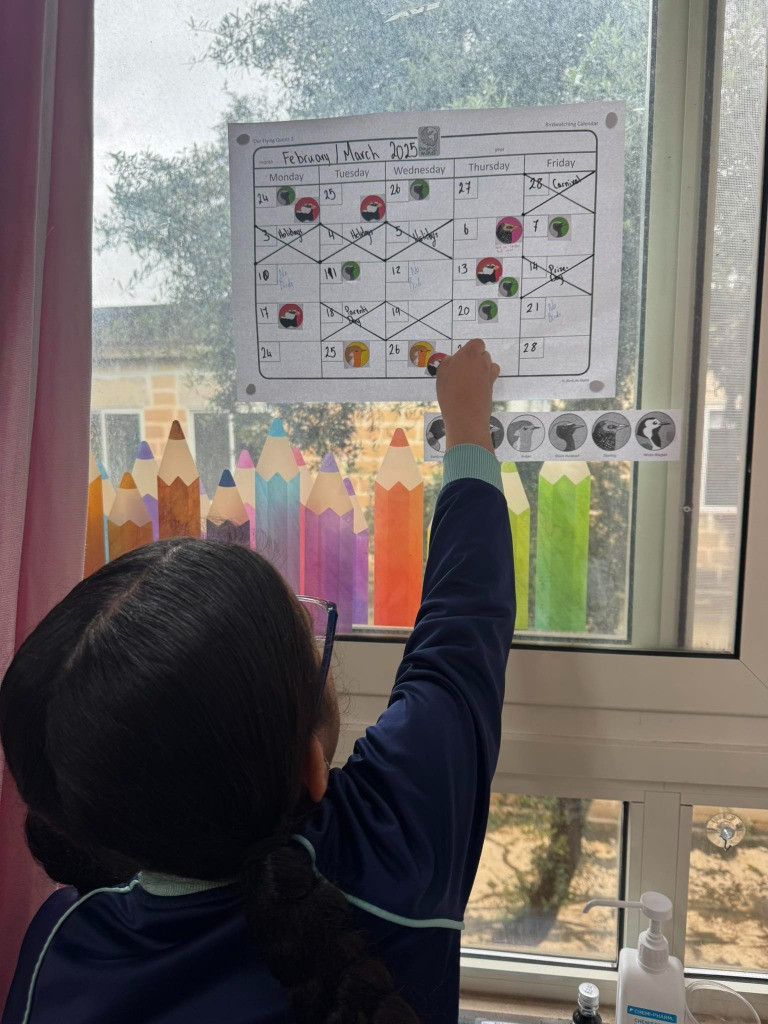
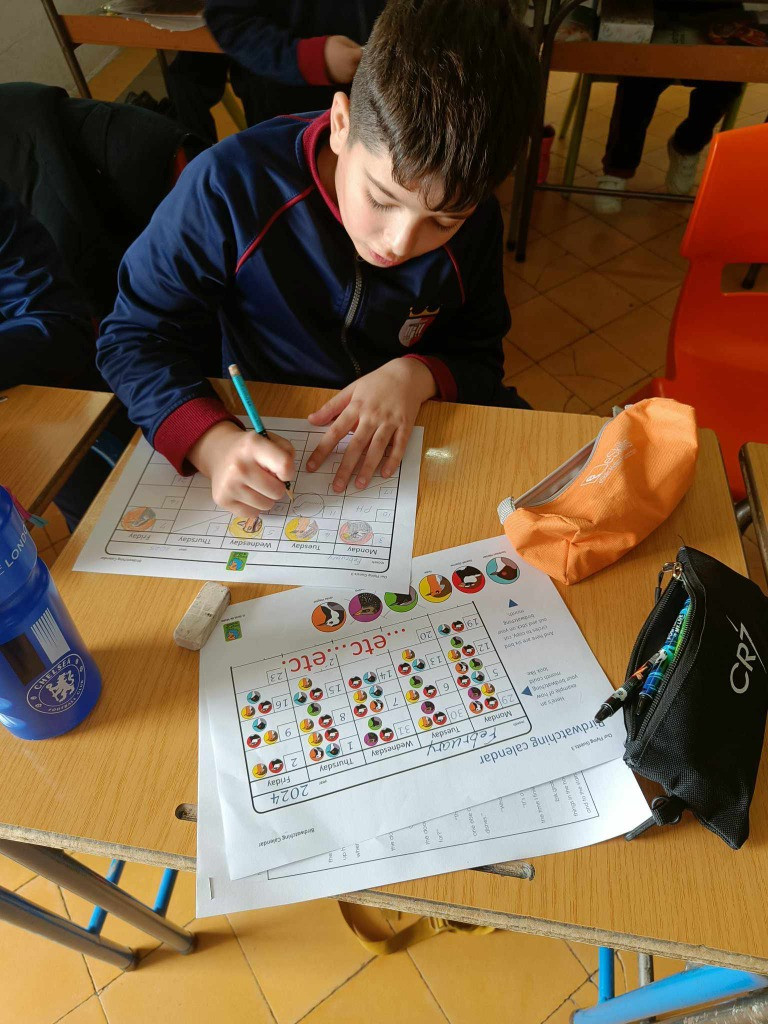
Maintain a log of bird activity for a month. For a colourful and engaging display, use the suggestions and template in the "Birdwatching Calendar" (Downloadable Materials). The best time to observe is in the morning, especially after placing food on the table.
5. Sharing Observations
At the end of Term 1, help the children send your class’s observations to BirdLife Malta ([email protected]).
6. Extending the Activity at Home
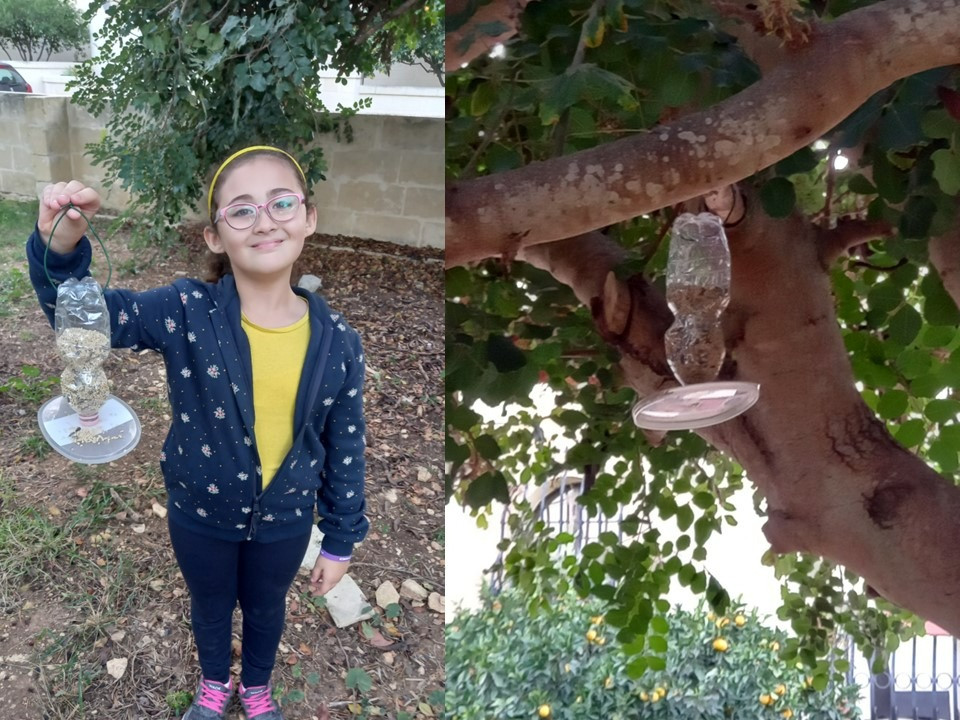
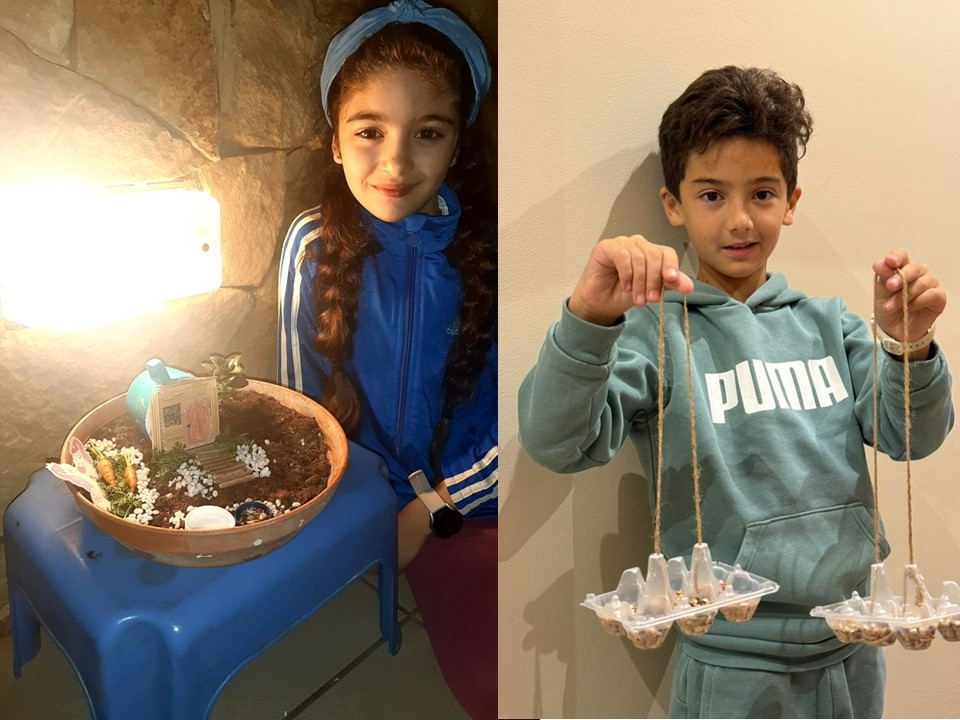
Encourage children to set up a bird table at home. Ask them to take selfies and share their observations in class.
Resources & Equipment Needed
- Bird food:
- Fruits;
- Seeds;
- Dried mealworms;
- Nuts;
- Brush
You can download these instructions in PDF by clicking here: Generate PDF
Downloadable Material
Activity Sheet_Our flying guests 3
PDF Document
Where Shall We Put It?
PDF Document
Birdwatching calendar
PDF Document
Make sure to take photos of:
1. Children stocking the bird table2. Children filling in the calendars
3. Children with their own home bird table
Activity Photos for Inspiration
Learning Outcomes & Curriculum Integration
Subjects
- - Science
- - Maths
- - STEAM
Learning Outcomes
Science
5.1.1 I can ask questions about the world around me.
5.1.5 I can record observations in a simple format.
5.1.6 I can make simple conclusions from my direct observations and link these using scientific terms.
5.1.16 I can take some decisions while working on an experiment in a group.
5.2.1 I can list the seven characteristics of life and explain why each is essential (movement, respiration, sensitivity, growth, reproduction, excretion, nutrition).
5.2.4 I can name and give examples of the five different groups of vertebrates (mammals, birds, reptiles, fish and amphibians).
5.2.6 I can describe the lifecycle of birds, insects, and frogs.
Maths
6.7.3 I can construct a frequency table using a tally column.
6.7.5 I can construct a bar chart.
6.7.6 I can read and interpret a bar chart.
6.7.7 I can read and interpret a pictograph where the symbol represents a number of units.
6.7.8 I can draw a pictograph where the symbol represents a number of units.
STEAM
Food tables
Integration with Curriculum
Suggestions for teachers:
1. A camera may be installed to record the birds that visit the bird table. This will making observations easier.
2. This activity can be integrated with Maths. Students can record the observations on a frequency table and then present their findings in the form of a pictograph or a bar chart.
3. Ideally observations are always carried out at the same time.
4. Students can be encouraged to create their own bird table or bird feeder at home as part of their homework.