Pollinator Places 2
1. Step into the “shoes” of a Pollinator
Recalling Pollinator places 1 shift the focus from flowers to pollinators. Invite the children to imagine they are pollinators, just like in the story, and that they are going on a tour of the school grounds to find food. Before heading out, ask them to remember what pollinators need: flowers for nectar and pollen.
2. Meet the Pollinators
Introduce children to pollinators using the "Pollinators / Id-Dakkara" videos (see Downloadable Materials). You can link this with languages, crafts, maths, or other subjects that emerge while exploring the slideshow.
3. Explore and observe
Take the children on a tour where they can spot flowers. They may notice a lack of suitable habitats, a real issue locally and globally due to habitat loss. Highlight the good news: it’s easy to create pollinator-friendly spaces. Discuss what can be done and where, sparking excitement to help pollinators thrive at school.
4. Plan your Pollinator patch
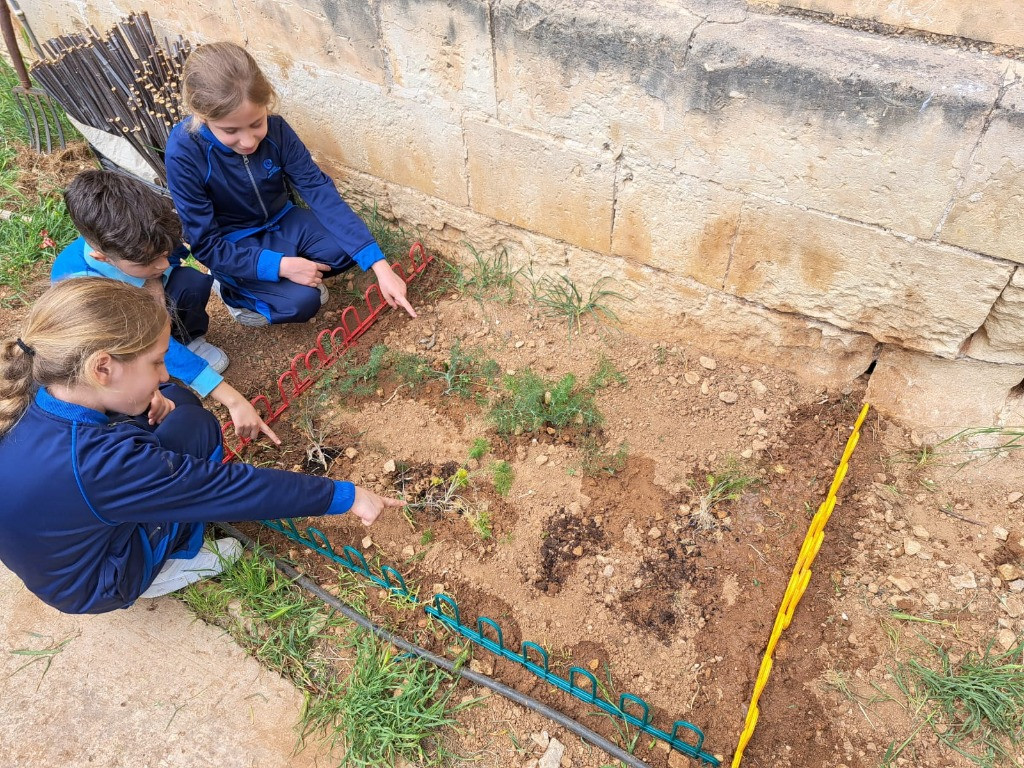
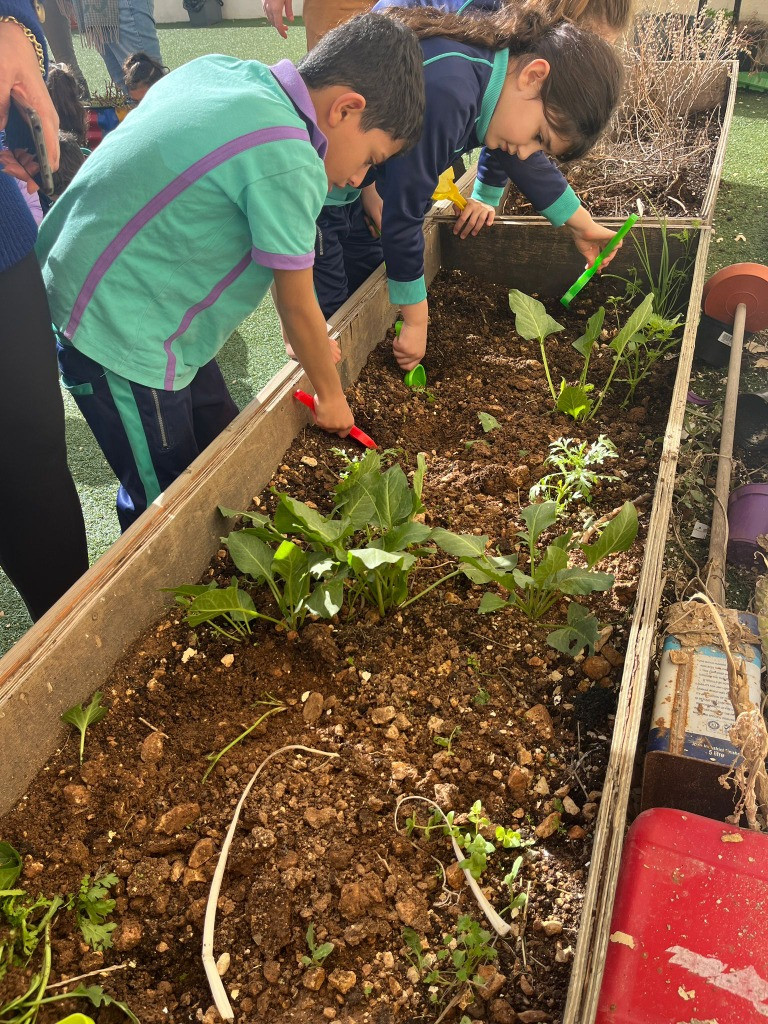
Identify a patch of soil to plant flowering plants. Use "Pollinator Plants" (Downloadable Materials) for guidance. Work with the children to plan what to plant and where, then act.
Important! Native maltese plants should be favoured, and not all flowers are suitable: many large, showy blooms lack nectar or scent.
5. Create a Pollinator Station
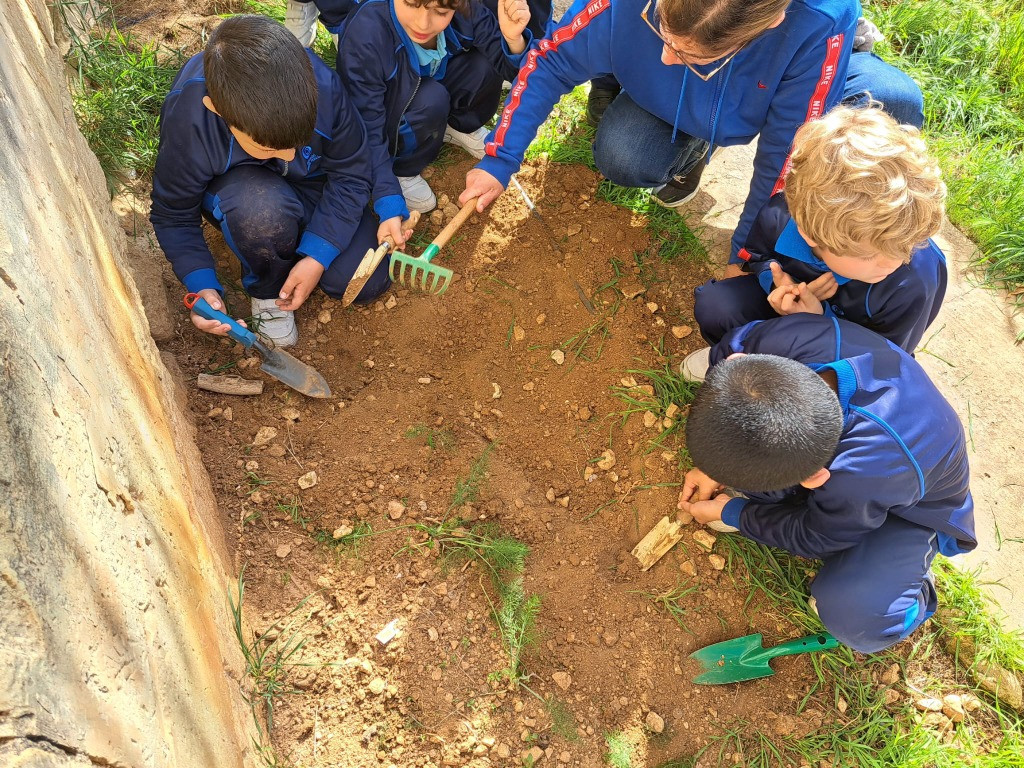
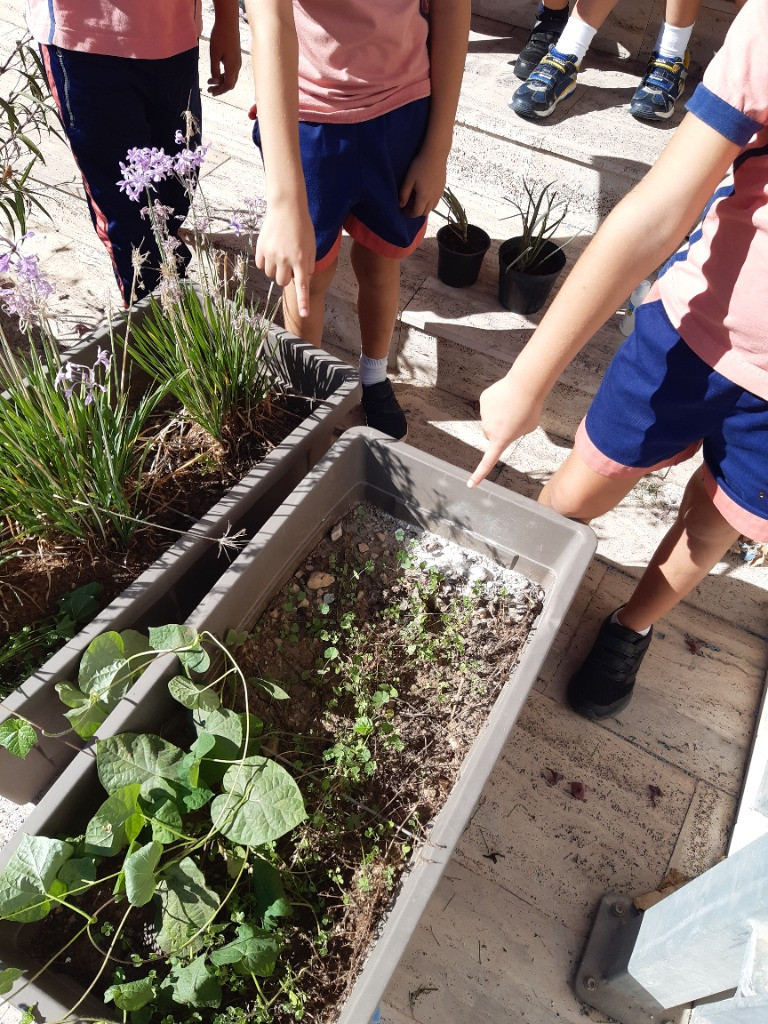
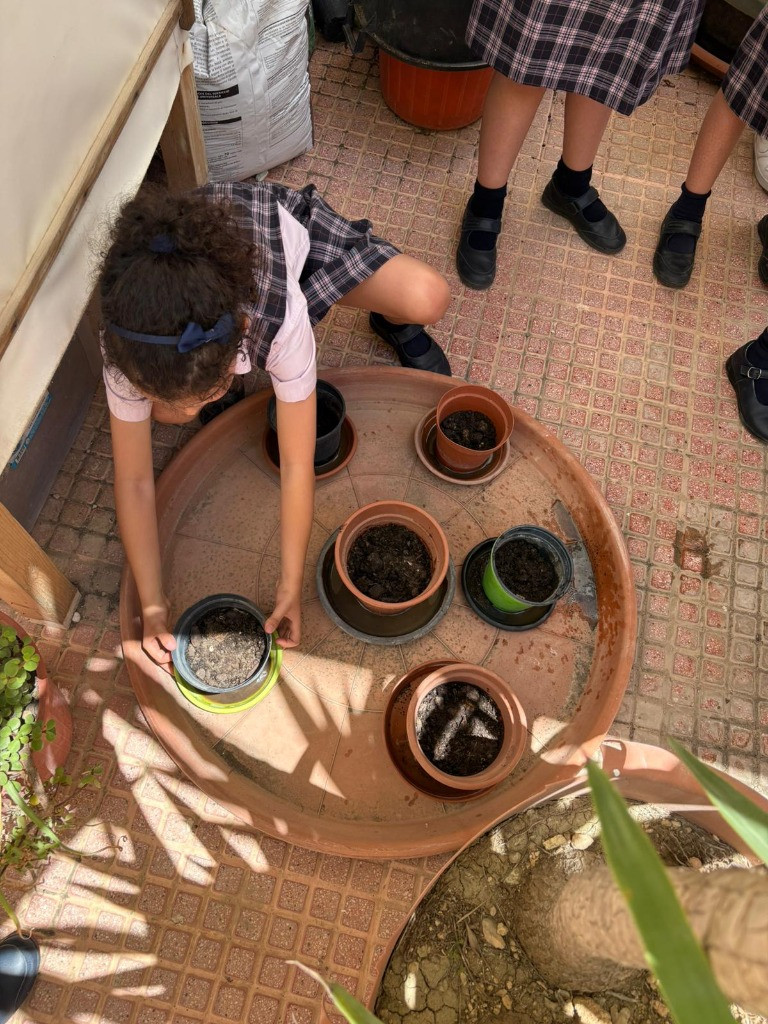
If no soil patch is available, design a mosaic of planters (see "Pollinator Station" in Downloadable Materials). Involve children in planning, choosing plants, and planting. Check BirdLife Malta Youtube channel for guidance on collecting seeds of native flowering plants.
6. Observe the plants grow
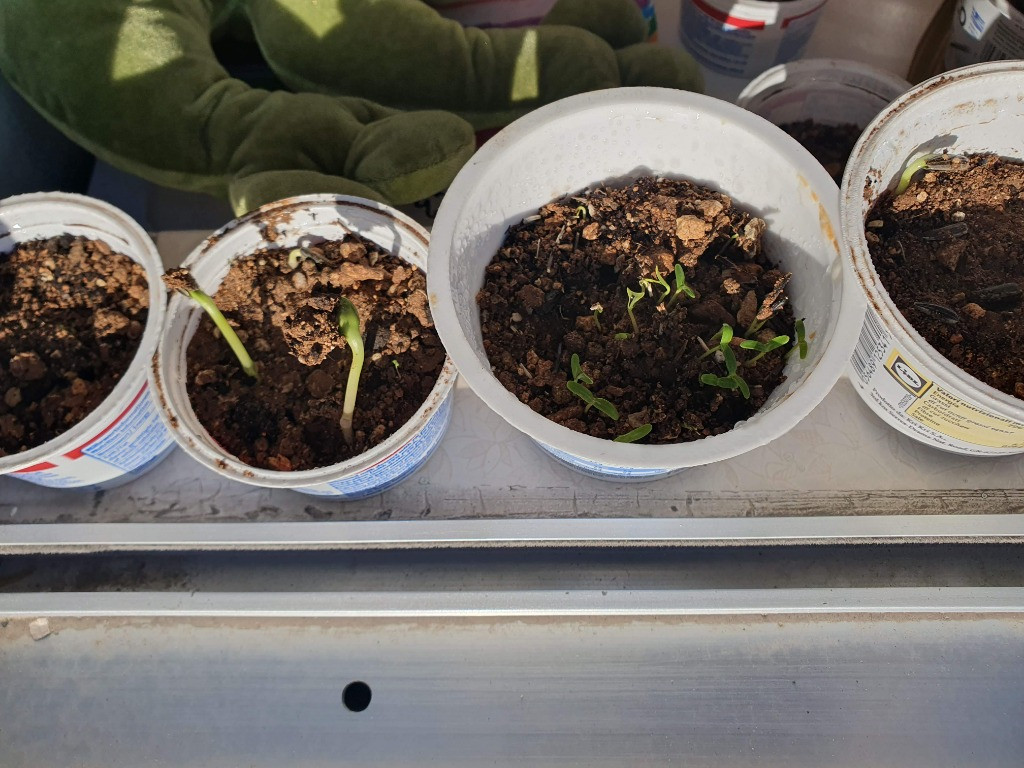
Initially, plants may look awkward, but children take turns watering and watching them grow. Excitement builds as flowers bloom and pollinators begin visiting.
Summer care commitment (extra)
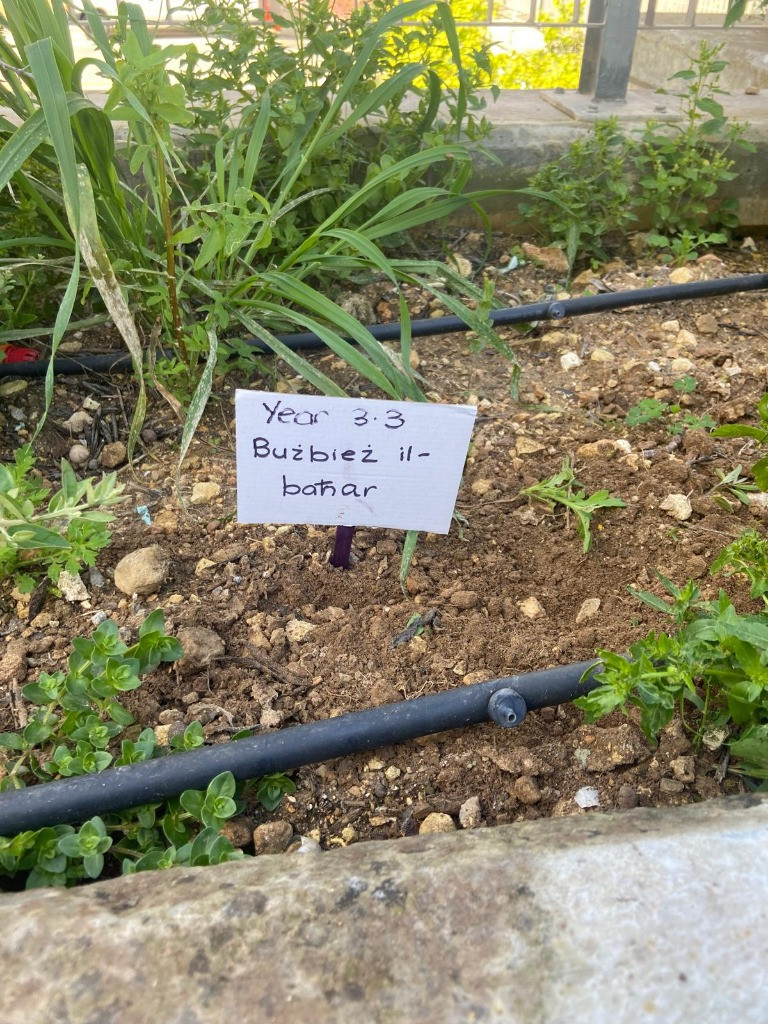
Discuss how the plants will be cared for during summer. If needed, plan a simple drip irrigation system. Emphasise that caring for plants is part of the lesson in protecting our planet and involve the children in these decisions.
Resources & Equipment Needed
- Native flowering plants (may be available from BirdLife Malta – contact [email protected]);
- Planters;
- Child-friendly trowels (may be available from BirdLife Malta – contact [email protected]);
- Watering can/jug/cup;
You can download these instructions in PDF by clicking here: Generate PDF
Downloadable Material
Pollinators (English)
YouTube Video
Id-Dakkara (Maltese)
YouTube Video
Activity Sheet_Pollinator places 2
PDF Document
Seed Collection Tips
YouTube Video
Pollinator station
PDF Document
Make sure to take photos of:
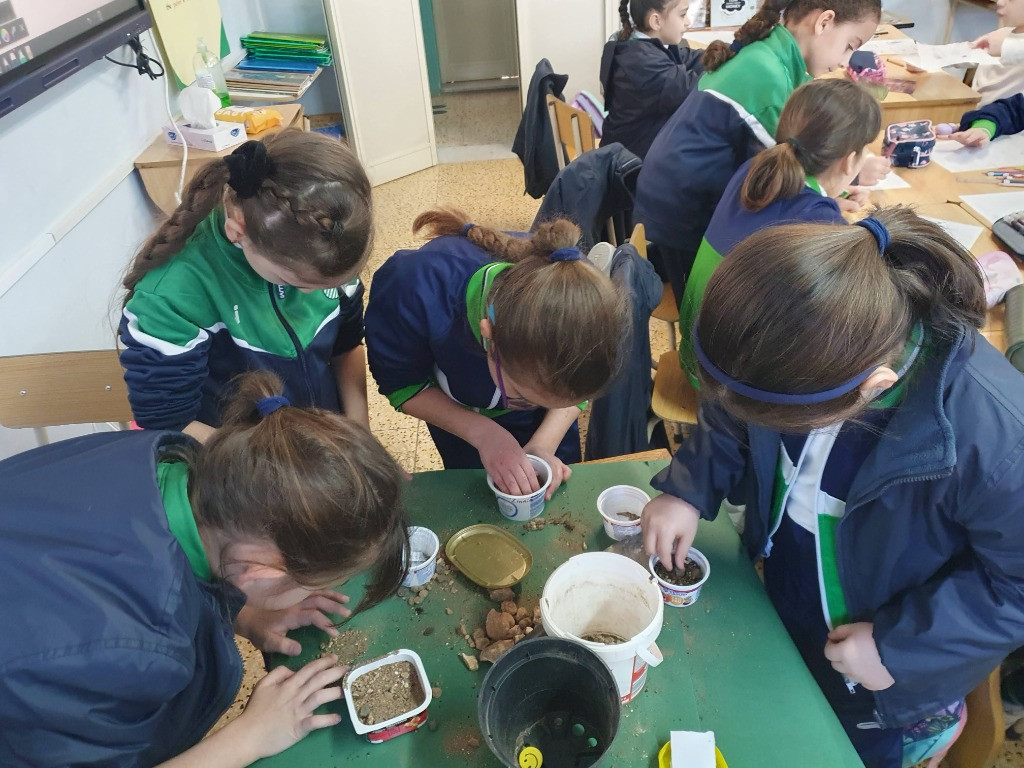
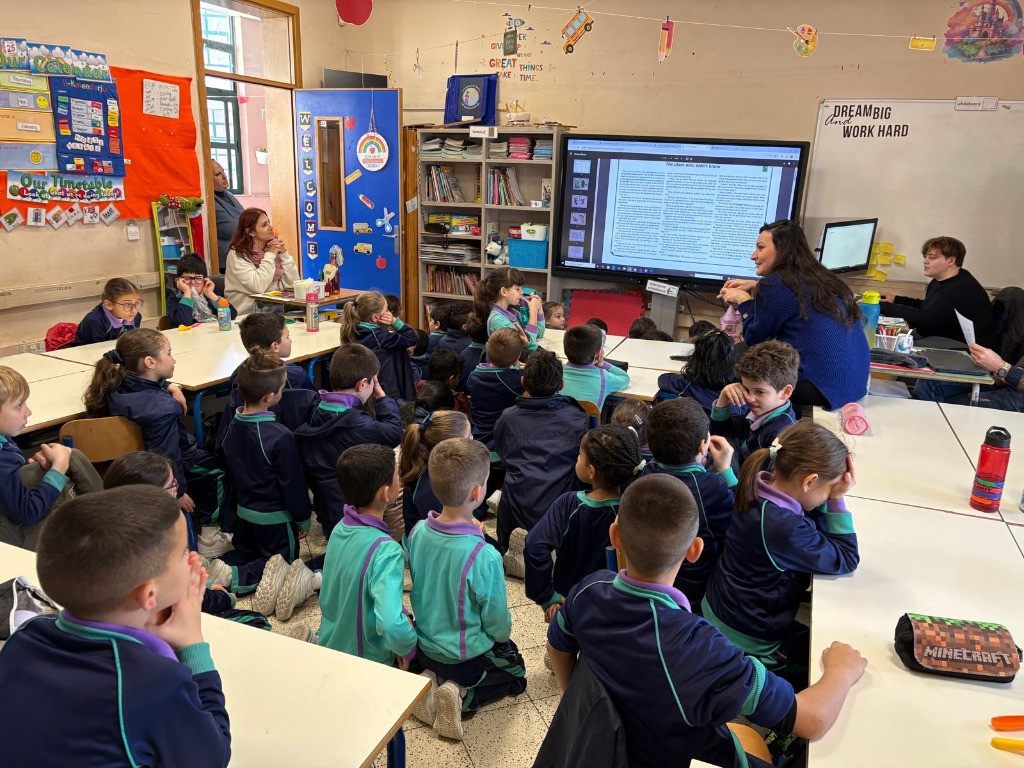
1. Children listening to the story2. Children planning/planting pollinator station
3. Completed pollinator station
Activity Photos for Inspiration
Learning Outcomes & Curriculum Integration
Subjects
- - Science
- - Maths
- - English
Learning Outcomes
Students explore the area around the school grounds to find potential places for planting of flowers:
Science
3.1.3 I can make a prediction about a situation from a limited number of options.
3.1.4 I can carry out a simple practical investigation with the teacher’s support.
3.1.5 I can record observations in a simple format.
3.1.6 I can make simple conclusions from my direct observations.
3.1.7 I can apply knowledge to practical situations.
Maths
5.1.1 I can read, write and order whole numbers up to one hundred (100) in figures and words.
5.1.4 I can compare and order whole numbers up to ten thousand.
5.1.7 I can count forward and backwards in 1s, 2s, 10s starting from any whole number up to one hundred (100).
5.2.3 I can work out a small difference by counting up from the smaller to the larger number.
5.2.7 I can work through situations involving addition and subtraction with two digit numbers (total up to 100).
5.2.12 I recognise that multiplication of 2, 4, 5 & 10 is multiple groups (repeated addition).
5.2.23 I can work through simple one-step situations using addition [up to a total of 100], subtraction [within 100], multiplication [×2, ×4, ×5, ×10] and/or division [×2, ×4, ×5, ×10, no remainders]. I can also give a rough estimate of the answer of such situations and I can check the reasonableness of the answer.
English
R 5.1 I can read aloud clearly and with confidence and express clear diction.
R 5.2 I can read silently on my own and demonstrate understanding.
LS 5.14 I can listen carefully and follow a sequence of simple instructions and directions.
W 5.1 I can write well-formed letters that are legible.
Students plant the seeds and observe growth:
Science
3.1.4 I can carry out a simple practical investigation with the teacher’s support.
English
LS 5.14 I can listen carefully and follow a sequence of simple instructions and directions.
W 5.16 I can write instructions to explain the steps of a process.
LAP 5.3 I can write and speak about present and past events adopting simple linguistic forms e.g. using simple present and past tenses, using simple and compound sentences.
LAP 5.2 I can use the correct word order when writing and speaking.
Integration with Curriculum
Instructions for students (exploration):
1. In groups, go around the different stations and fill in the scavenger hunt.
Instructions for students (planting):
1. Follow the instructions given by the teachers to plant seeds.
2. Write your own instructions after finishing the hands-on activity.
3. Design 'pardon the weeds' signs to show that the plants were purposefully planted.