Pollinator Places 1
1. Seeds of curiosity
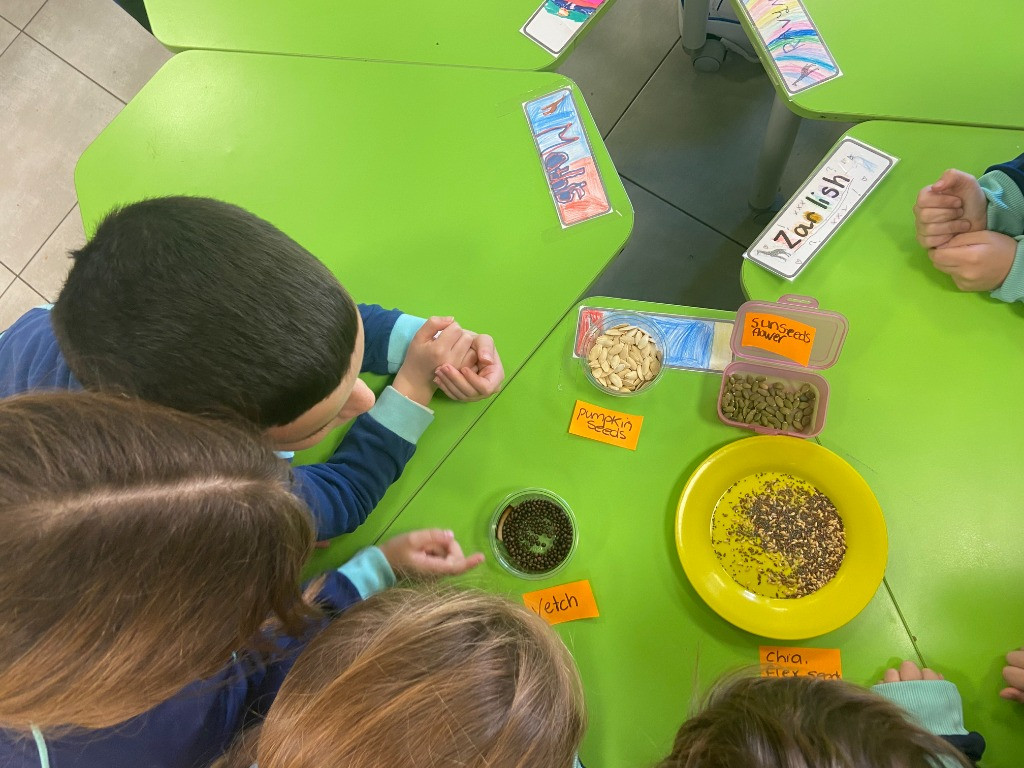
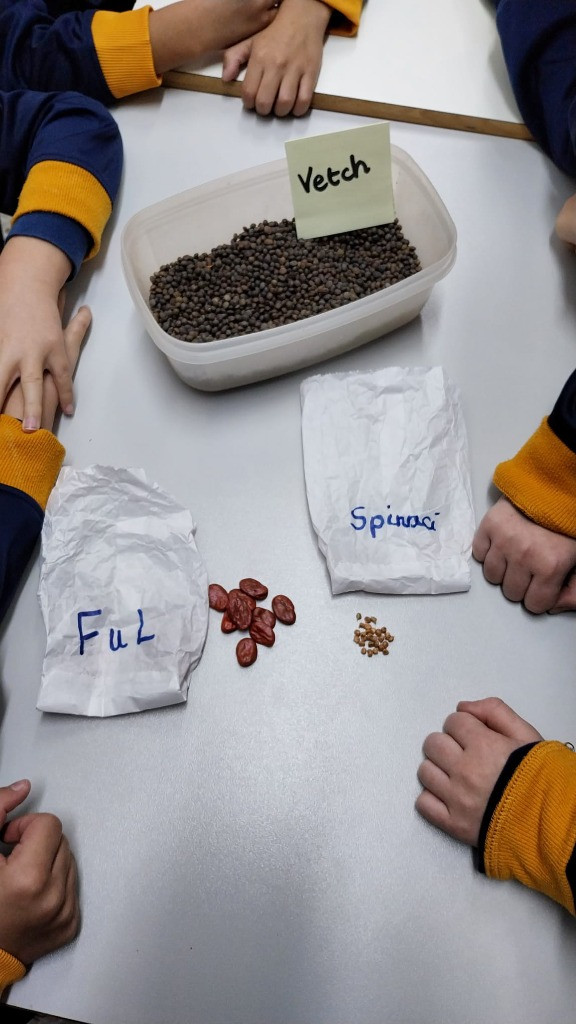
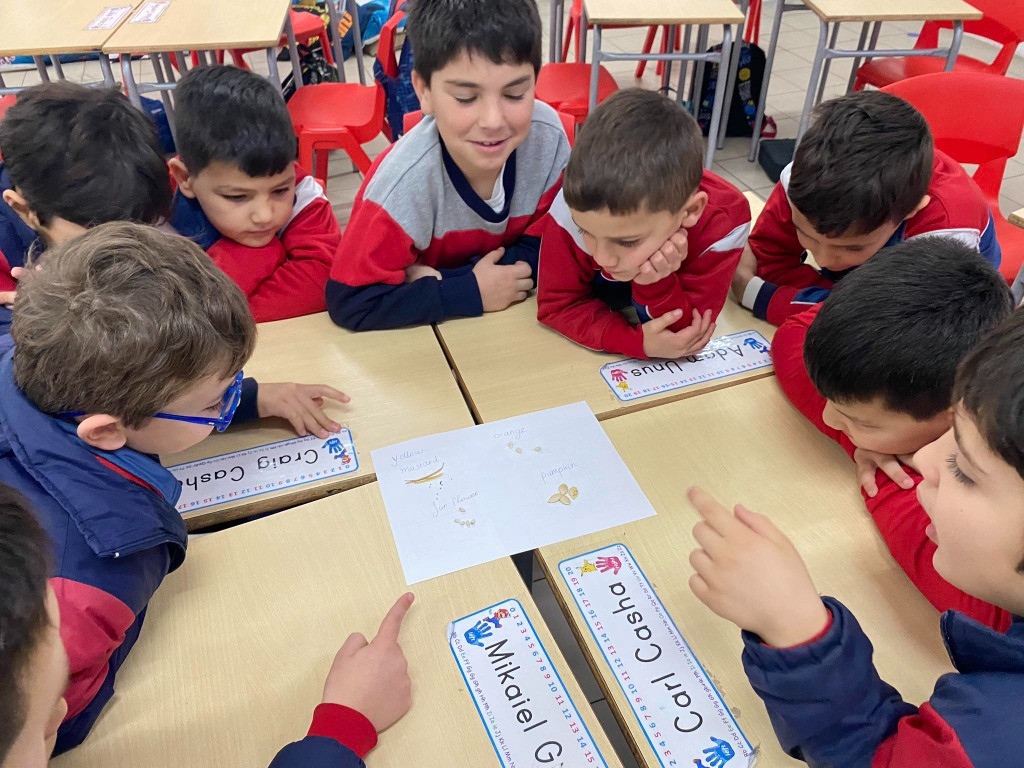
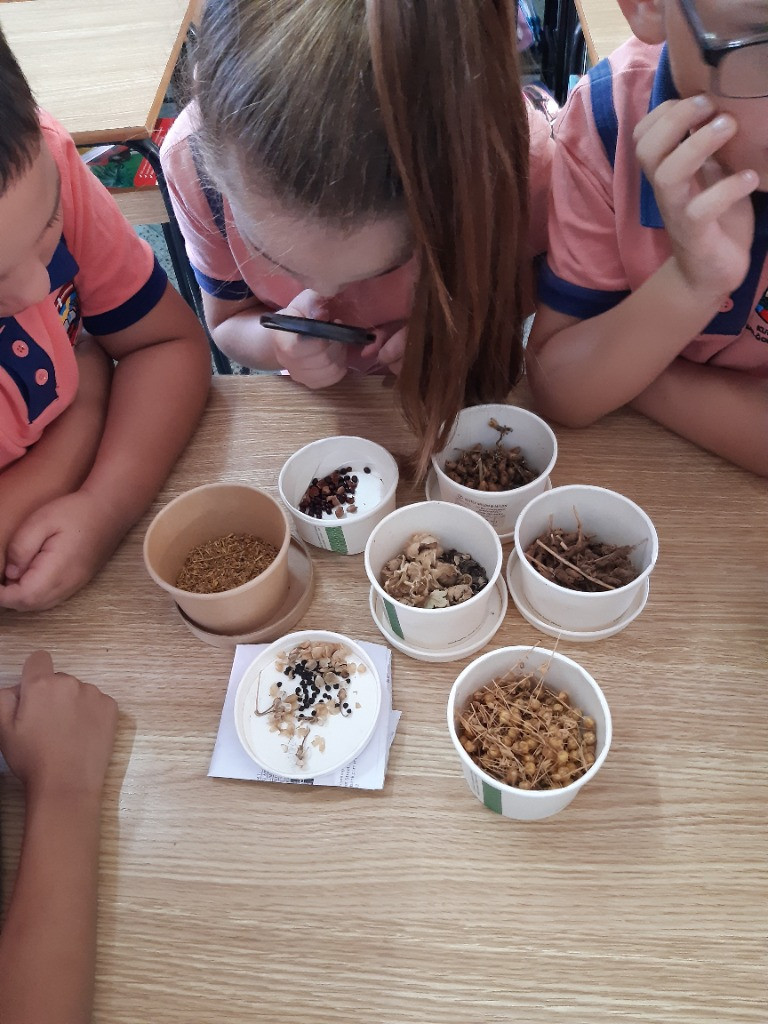
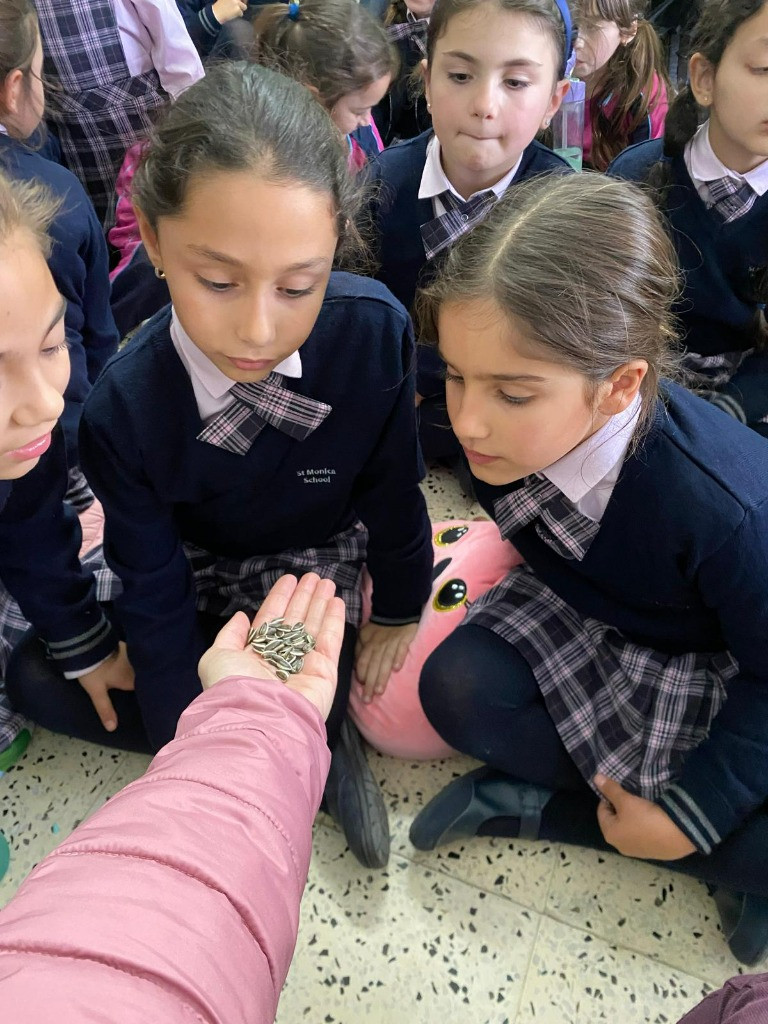
Bring a variety of seeds to class and spark a discussion. Explore what they are, how they look, their shapes and sizes, and where they come from, reminding children that seeds are the “babies” of plants.
Tip: check out our "Seed collection tips" (Downloadable Materials) for more information.
2. Storytime
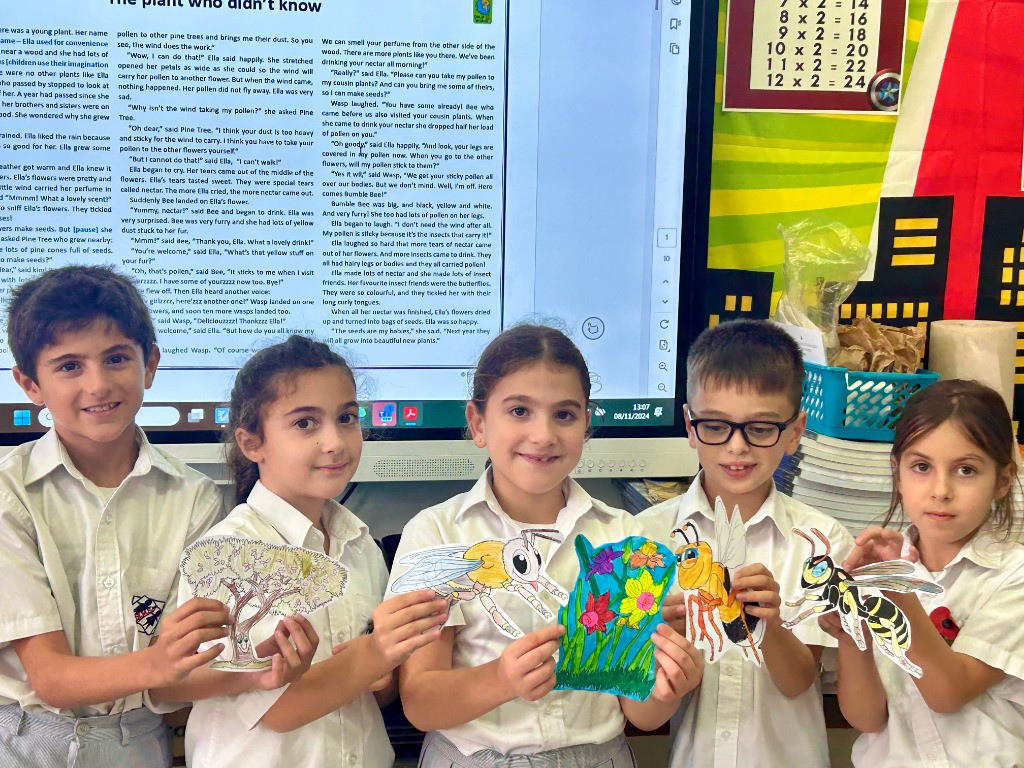
Read the story "The Plant Who Didn’t Know" from the Downloadable Materials. Use visual props (like thick cards on kebab sticks) from the "Story cards" (Downloadable Materials) to bring the story to life. Let the children add their own magic by animating sounds and movements of the characters.
3. The power of Pollinators
After the story, discuss its message and make sure children understand a vital fact: without pollinating insects, many plants would have no seeds at all.
4. New Words, New Ideas for a Story Map
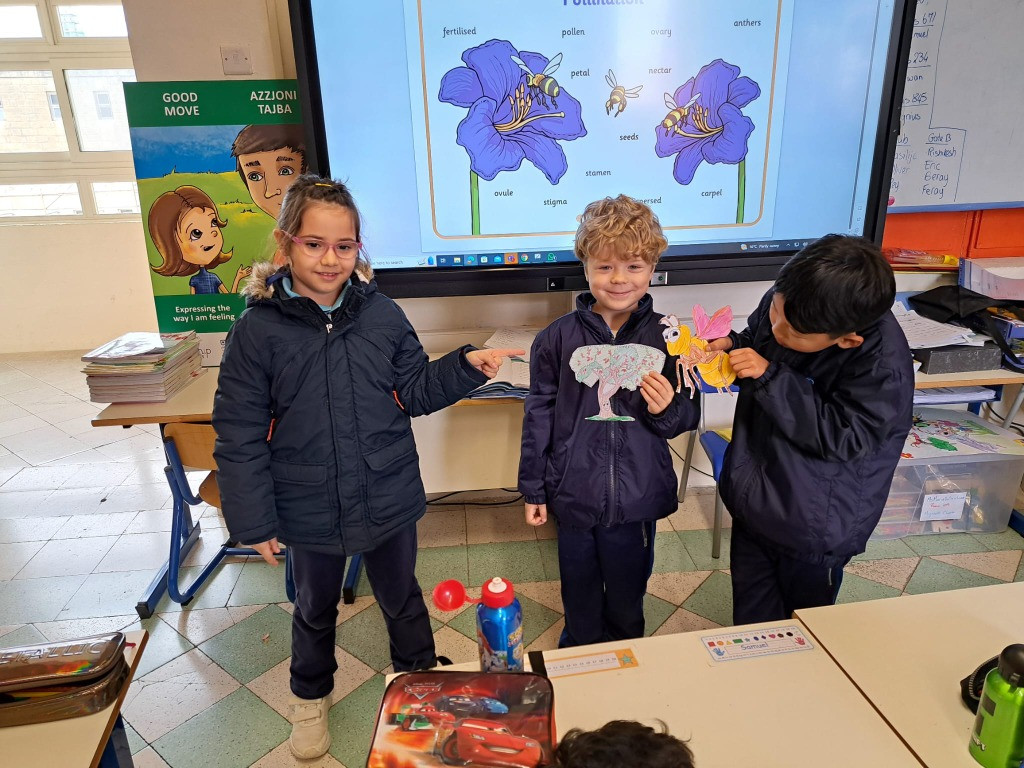
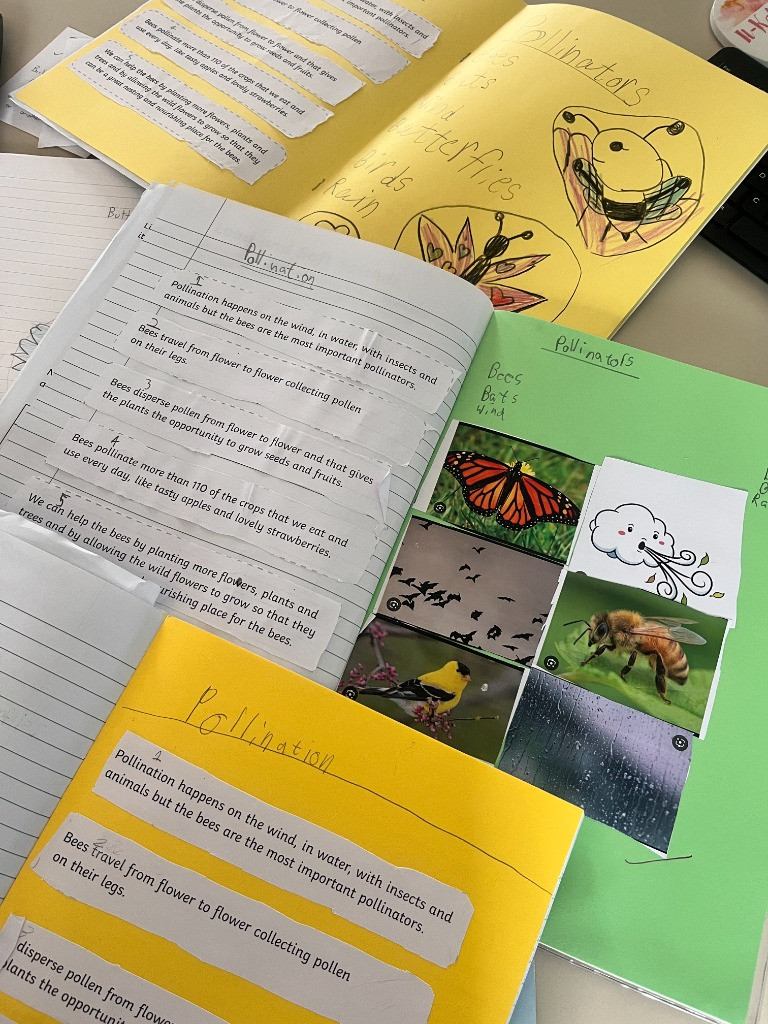
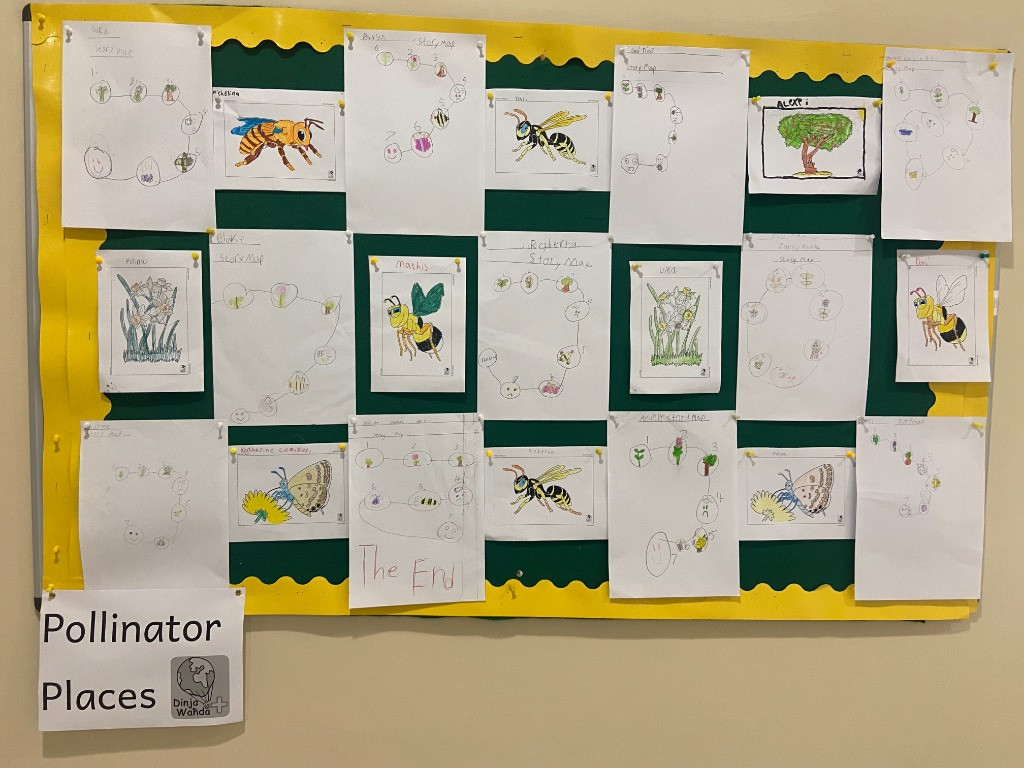
Introduce the word POLLEN and then POLLINATOR. Decide how to extend the learning, perhaps by creating a story map, a story bag, or a story timeline. Children can colour the "Character drawings" in the Downloadable Materials section individually or in groups or even invent their own drawings.
Resources & Equipment Needed
- A selection of plant seeds;
- Thick card;
- Scissors;
- Glue;
- Kebab sticks;
- Coloured pens/pencils;
- Art and craft supplies of your choice;
You can download these instructions in PDF by clicking here: Generate PDF
Downloadable Material
Activity Sheet_Pollinator places 1
PDF Document
Seed Collection Tips
YouTube Video
The plant who didn't know story
PDF Document
Story cards
PDF Document
Character drawings
PDF Document
Make sure to take photos of:
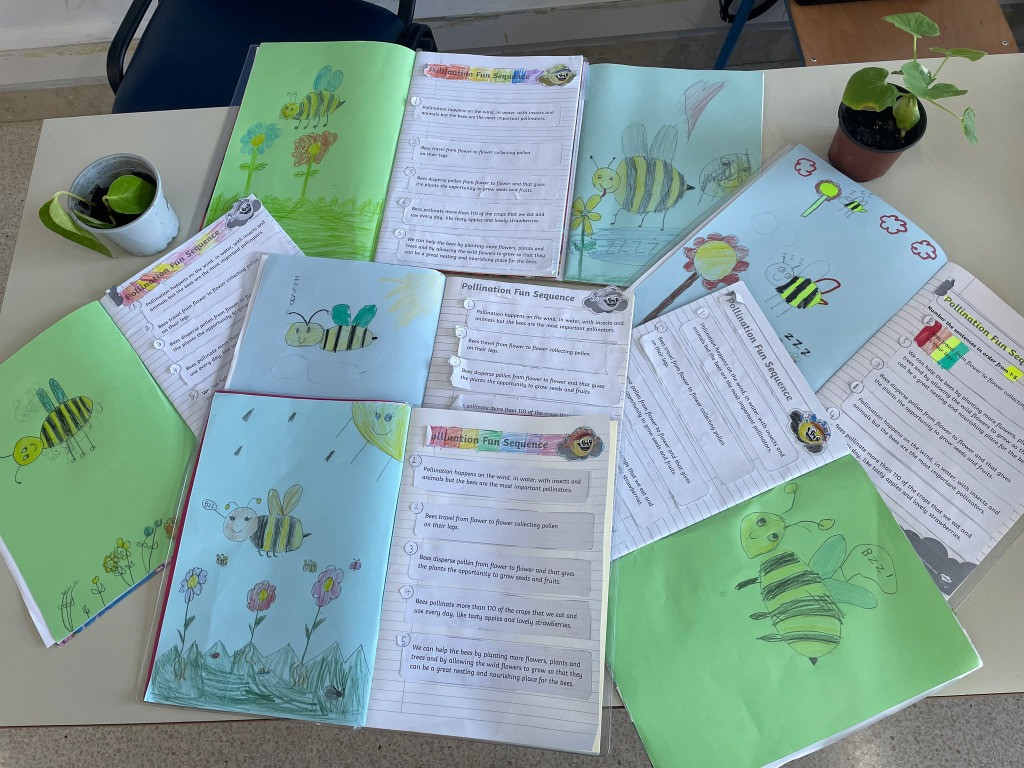
1. Children listening to the story2. Children making the story map
Activity Photos for Inspiration
Learning Outcomes & Curriculum Integration
Subjects
- - Science
- - Maths
- - English
Learning Outcomes
Students explore different seeds
Science
3.1.1 I can ask questions about the world around me.
3.1.3 I can make a prediction about a situation from a limited number of options.
3.1.4 I can carry out a simple practical investigation with the teacher’s support.
3.1.5 I can record observations in a simple format.
3.1.6 I can make simple conclusions from my direct observations.
3.1.7 I can apply knowledge to practical situations.
Maths
5.7.1 I can collect, sort, organise (including tally) and classify data in a table.
5.4.6 I can define the length of an object as a measure of the distance between the endpoints of an object up to 1 metre (m).
5.4.10 I know the standard metric units of length (metres & centimetres).
5.4.14 I can suggest and use measuring equipment to estimate and/or measure length.
Story 'The plant who didn't know' is read and discussed
Science
3.1.1 I can ask questions about the world around me.
English
R 5.2 I can read silently on my own and demonstrate understanding.
LIT 5.2 I can read and understand literary texts, including poetry, prose and drama, and listen to literary texts being performed or read aloud.
LIT 5.3 I can respond to simple poems, stories and plays by speaking and writing briefly about how I feel about the literary texts and about the events and characters in these texts.
Integration with Curriculum
Instructions for students (seeds):
1. Follow instructions to plant a seed/bean in a jar and observe the growth of roots and germination.
2. Plant seeds in small cups using different variables (eg. no water, no sunlight, no soil) and record findings by measuring the growth of plants.
Instructions for students (story):
1. Fill in a story review where they show understanding of the story. This can be used as an assessment.
2. Arrange jumbled up sentences that show the functions of the different parts of a plant (roots, stem, flower, leaves). Match the sentences to the corresponding parts of plants (a poster can be provided).
3. Match the pictures to the sentences and hang them in class in order as the events happen in the story.