Minibeast Magic 1
1. Start with a discussion
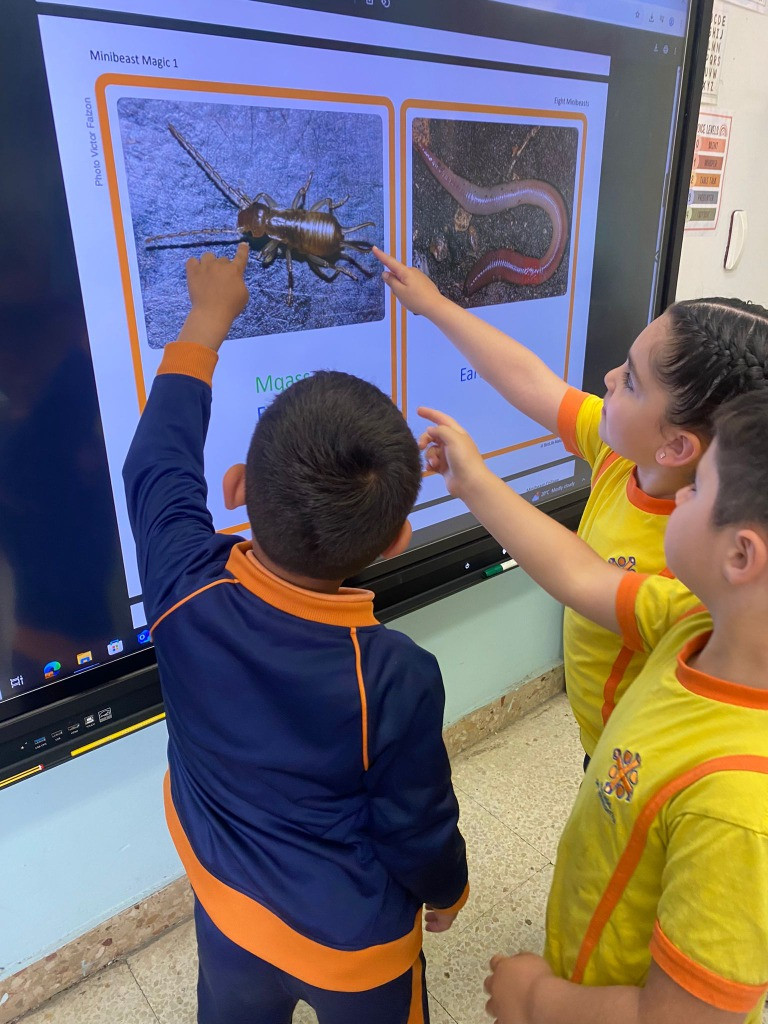
Project the "Minibeast name cards" (see Downloadable Materials) on the whiteboard. Ask the children what they already know about them and which ones they’ve seen before. Encourage an open conversation, you may hear negative reactions, but the aim of this activity is to shift their perspective by helping them understand the essential role these creatures play in the cycle of life.
2. Explore the Minibeast Collage
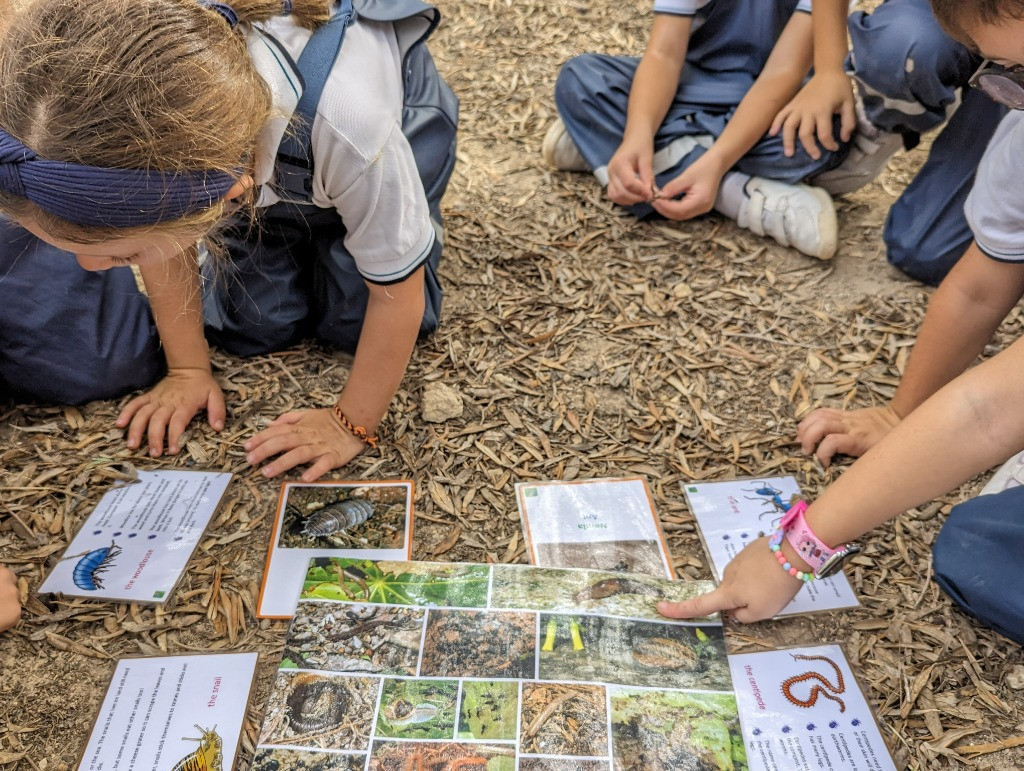
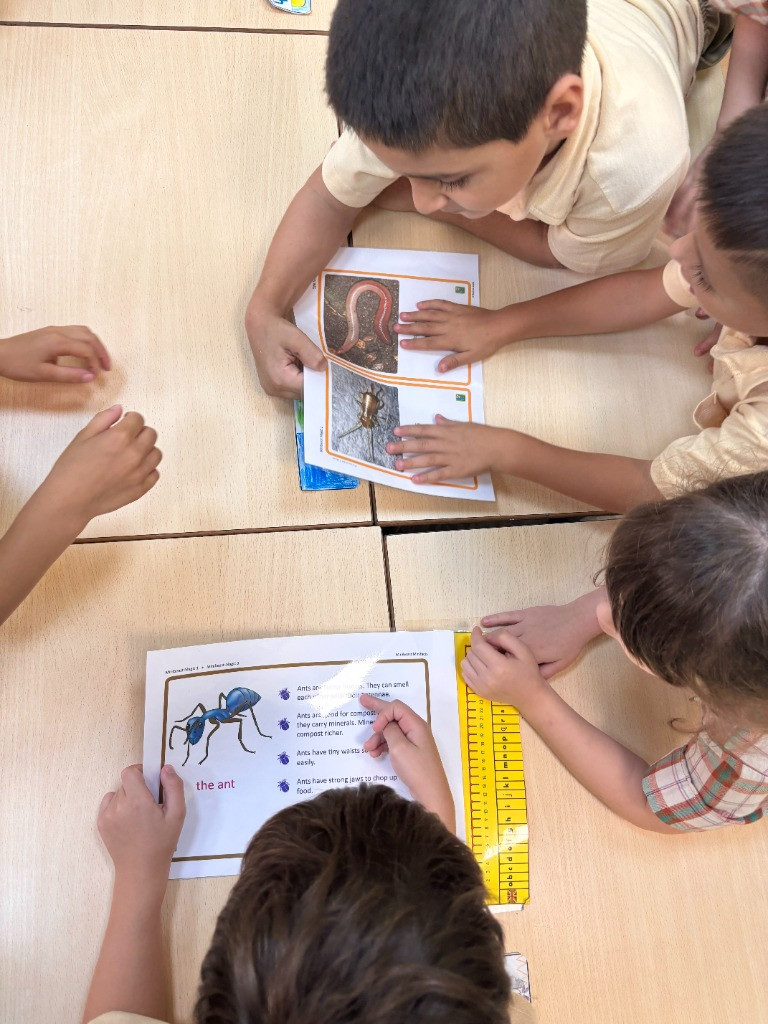
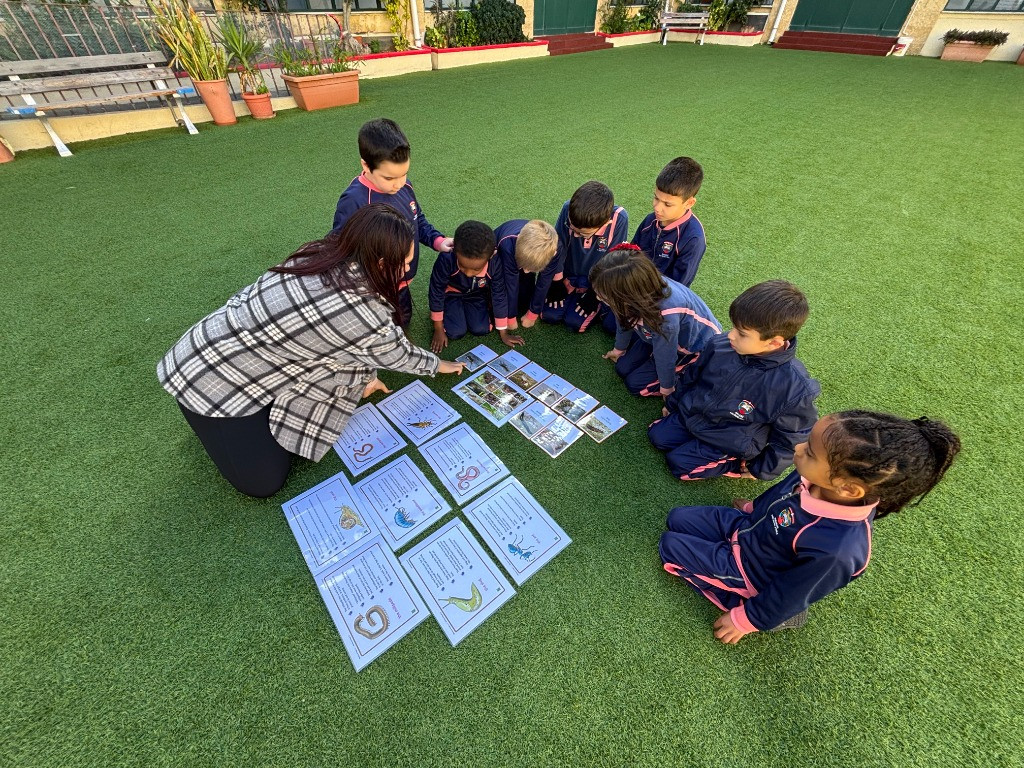
Show the "Minibeast Collage" from the Downloadable Materials. In pairs or small groups (2–4 children), ask them to observe the photos and discuss what they discover about the creatures, for example:
“What do they eat?”, “Where do they live?”, “Do they prefer dark or light places?”, “Do they like wet or dry habitats?”
Invite each group to share one thing they like about every minibeast. Support their learning with facts from the "Minibeast Minifacts" file (Downloadable Materials).
3. Go on a minibeast hunt
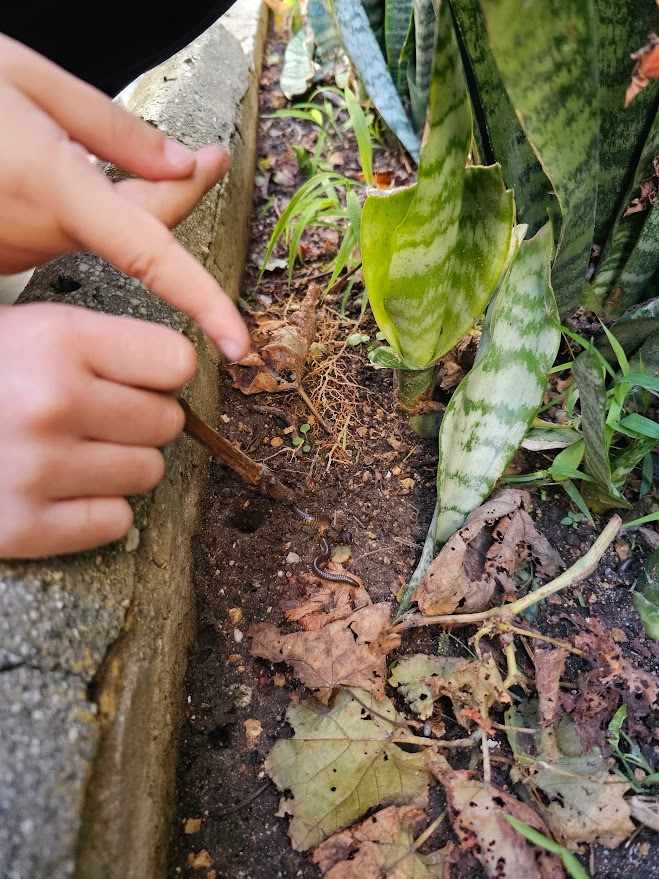
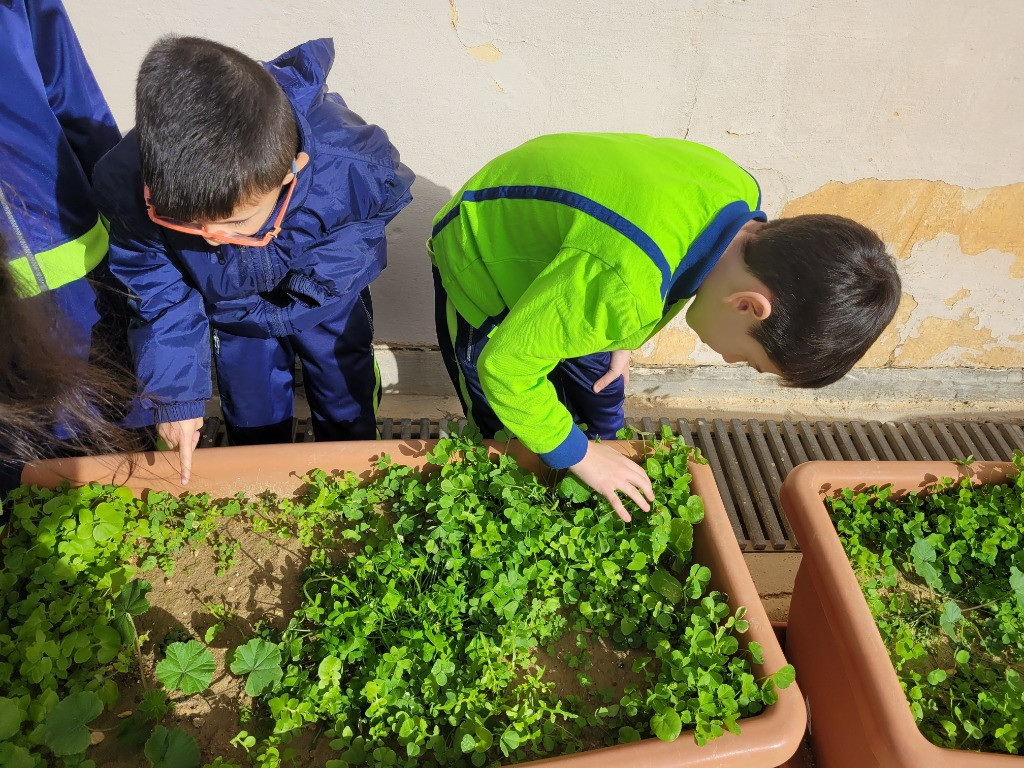
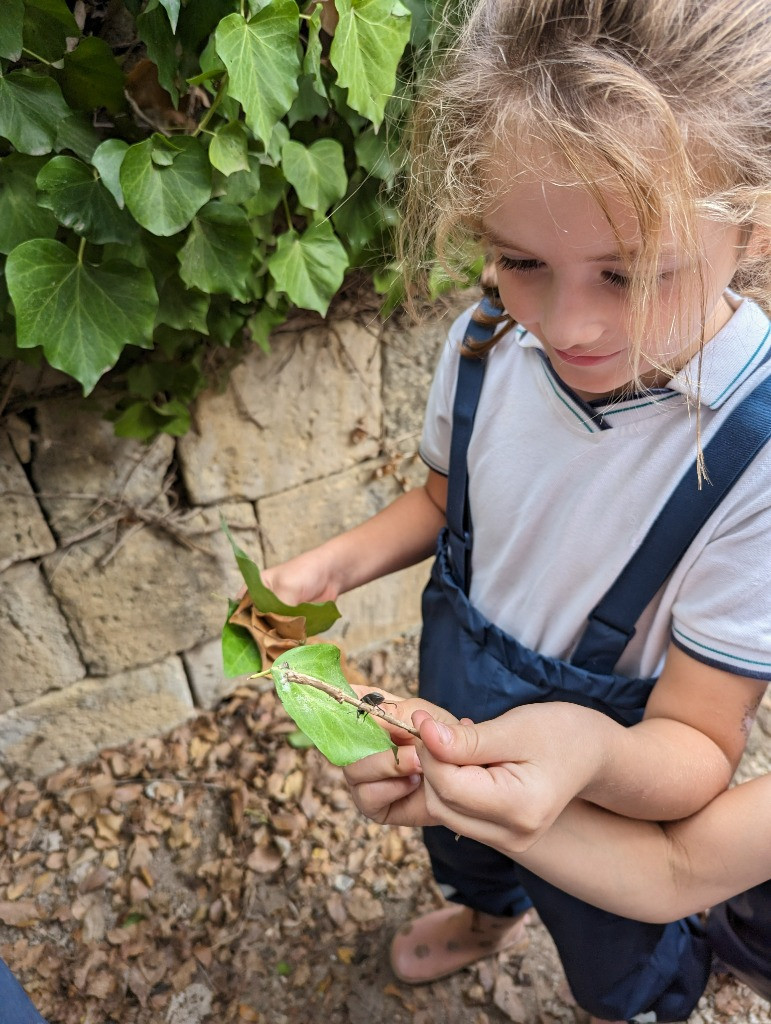
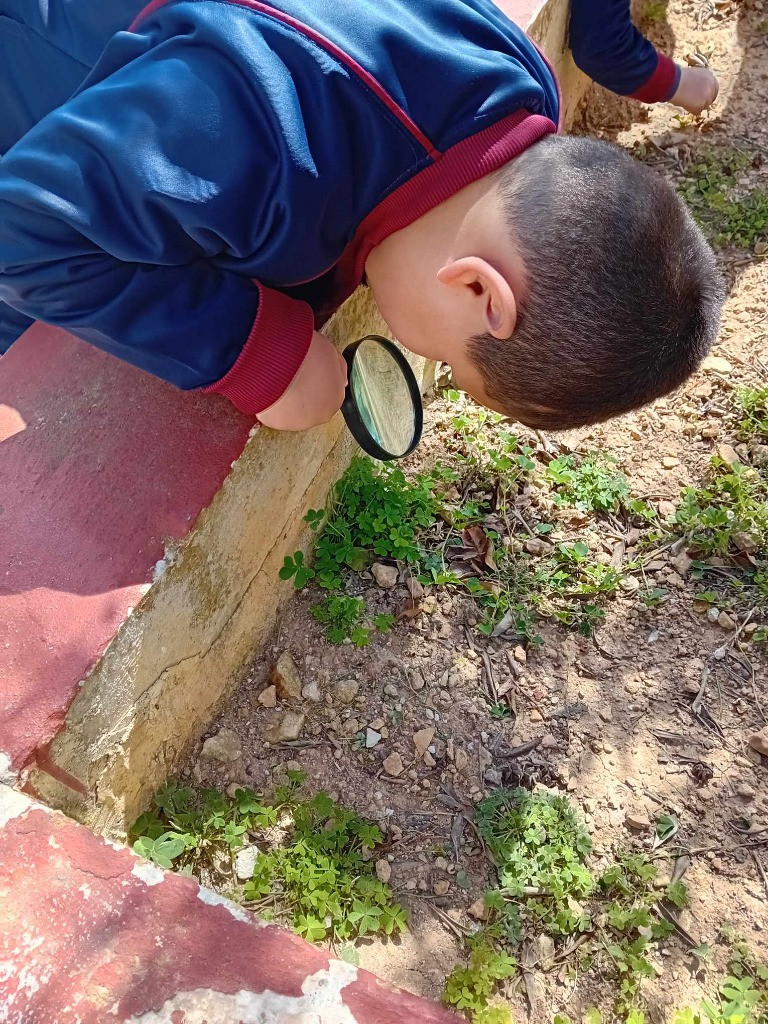
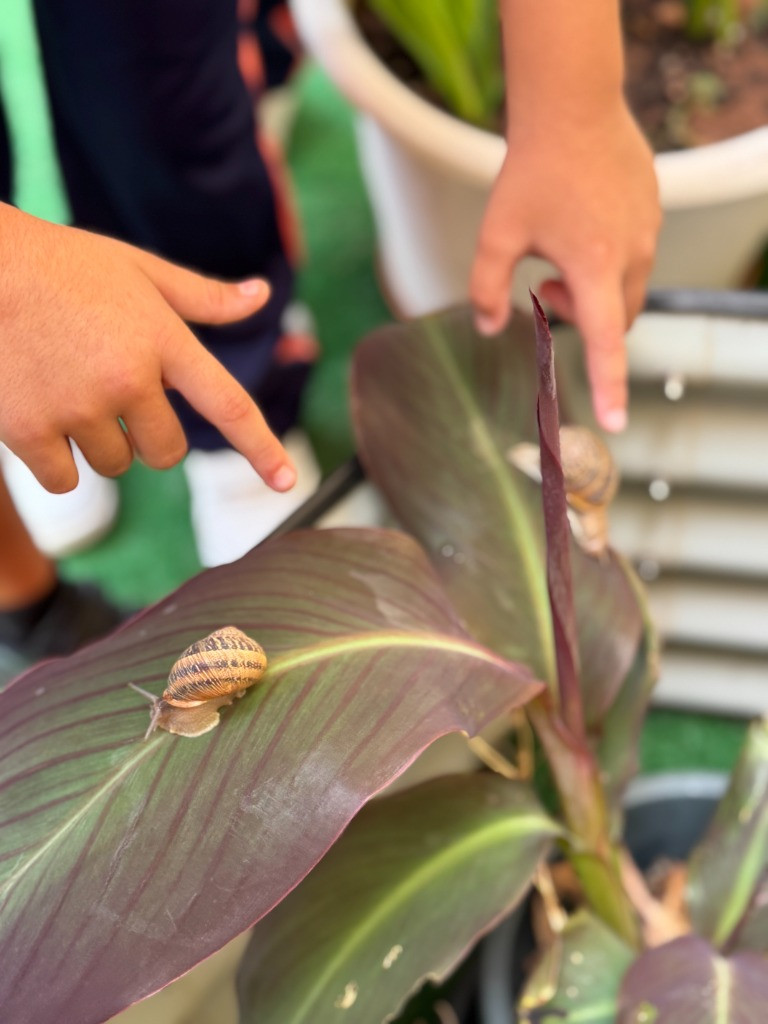
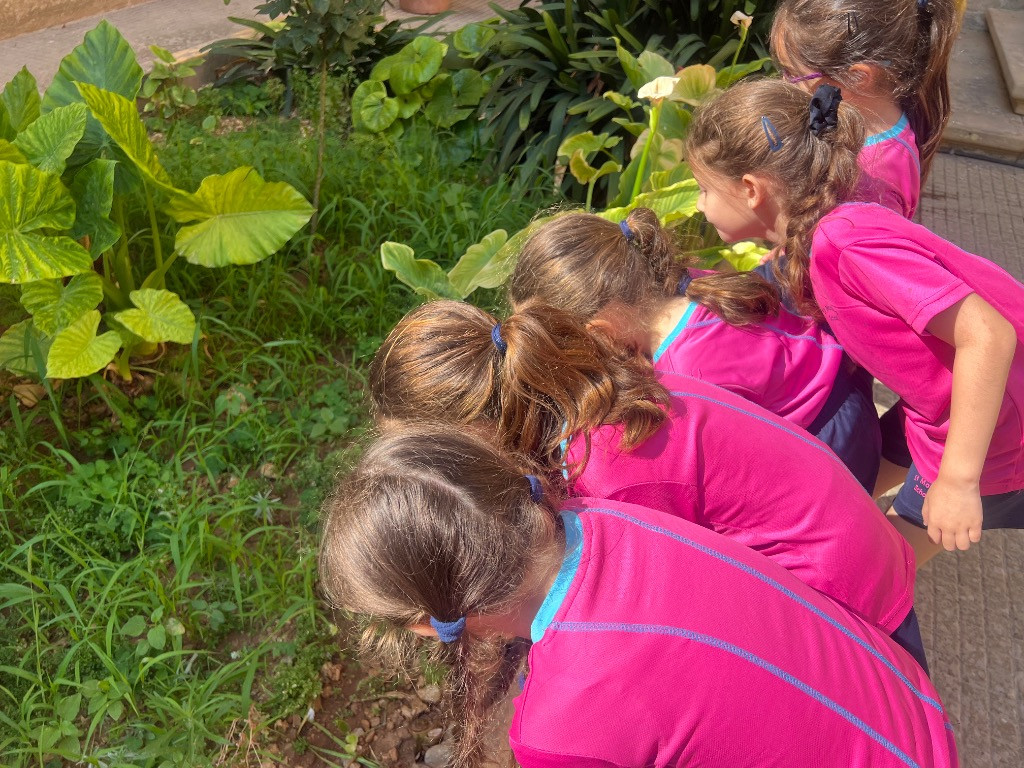
Take the children outdoors to search for minibeasts around the school grounds. Compare what you see with the information you discussed earlier. Pay special attention to compost or leaf litter where woodlice and other creatures live.
Encourage the children to touch, smell, and observe the difference between compost and soil, notice how compost is darker and richer because it’s full of nutrients created by these tiny recyclers. This helps the children value the service minibeasts provide to plants, soil, and people.
4. Compare humus and soil
Outdoors, fill two clear containers: one with humus mixed in water, the other with soil in water. Ask the children to compare the two and describe what they see. Explain that when a plant absorbs water through its roots, it drinks in the nutrient-rich “juice” created with the help of minibeasts.
Important! Make sure the children wash their hands after the activity (avoid single use wipes).
5. Show the nutrient cycle
Back in the classroom, draw a simple version of the nutrient cycle on the board:
living plant → dead plant → woodlouse breaks it into small pieces → pieces enrich the soil → new plant grows
Link this process to recycling bins, showing how minibeasts are nature’s recyclers, constantly creating food in the soil.
Resources & Equipment Needed
- 2 clear containers;
- Humus;
- Soil;
You can download these instructions in PDF by clicking here: Generate PDF
Downloadable Material
Activity Sheet_Minibeast magic 1
PDF Document
Minibeast collage
PDF Document
Minibeast minifacts
PDF Document
Minibeast name cards
PDF Document
Make sure to take photos of:
1. Children discussing minibeast photos2. Children observing minibeasts in schoolyard
Activity Photos for Inspiration
Learning Outcomes & Curriculum Integration
Subjects
- - English
- - Science
Learning Outcomes
Subjects
- English
- Science
Learning Outcomes
2.1.9. Acquire and use a repertoire of words
2.3. Know that a habitat is the environment in which an animal or plant lives
2.1.2 Know that there are different kinds of animals
Integration with Curriculum
Science
- Topic: Ecosystems and Habitats
- Activity: Conduct a lesson on different types of minibeasts and their roles in the ecosystem, particularly focusing on their function as recyclers.
- Practical: Go on a minibeast hunt around the school grounds to identify existing habitats and minibeasts. Discuss what they find and why these creatures might be important.
Language Arts
- Topic: Description and Storytelling
- Activity: Have the children draw their favorite minibeast. Encourage them to use descriptive language to detail the habitats and behaviours of these creatures during a show and tell session.
- Practical: Create a class display with all the drawings of minibeasts.