Garden Friends 1
1. Learning About the Animals
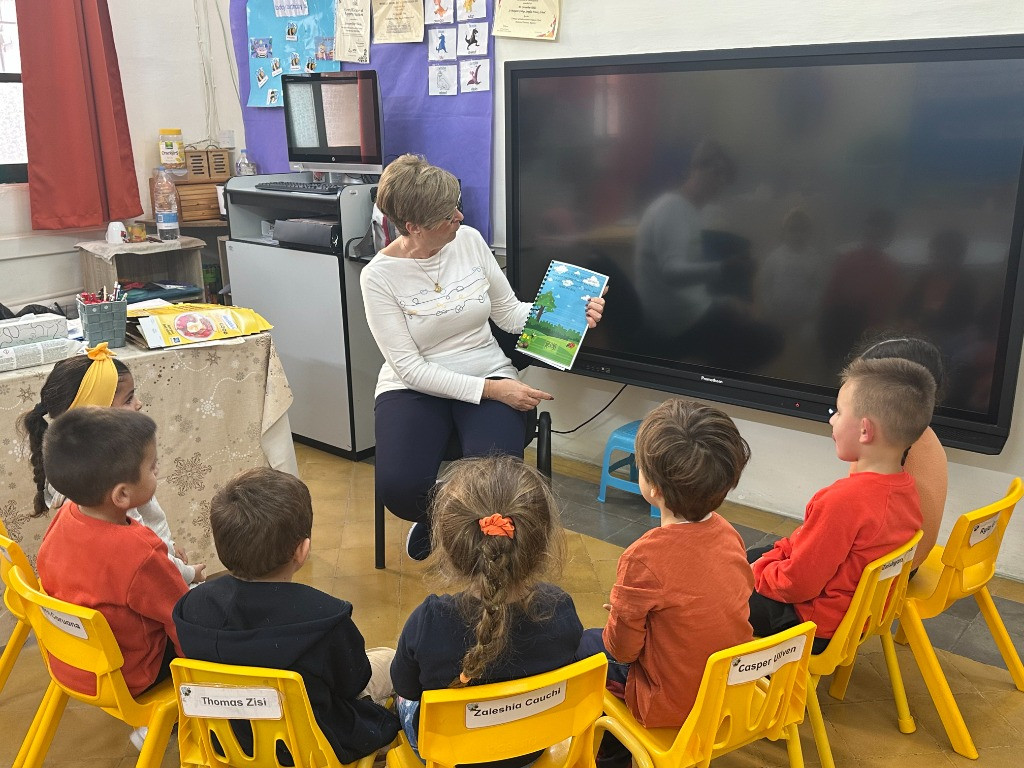
Use the story "Garden’s Best Friend / Premju Ħabib tal-Ġnien" (Downloadable Materials) as the starting point. Choose how to share the story and encourage discussion while exploring facts about the four animals:
- Ladybirds: Many species, each with different colours and markings. Most eat other insects;
- Bees: Many species are good pollinators, but only honeybees make honey. Honeybees live in hives, where most workers are females;
- Spiders: Not all make webs, but all produce silk. Some jump on prey, others build underground traps;
- Sardinian warbler (bufula sewda): A small black, white, and grey bird living in gardens and woodlands;
We may not fully understand every creature’s role, but we do know that all living things are interconnected.
-
2. Sequencing the Story
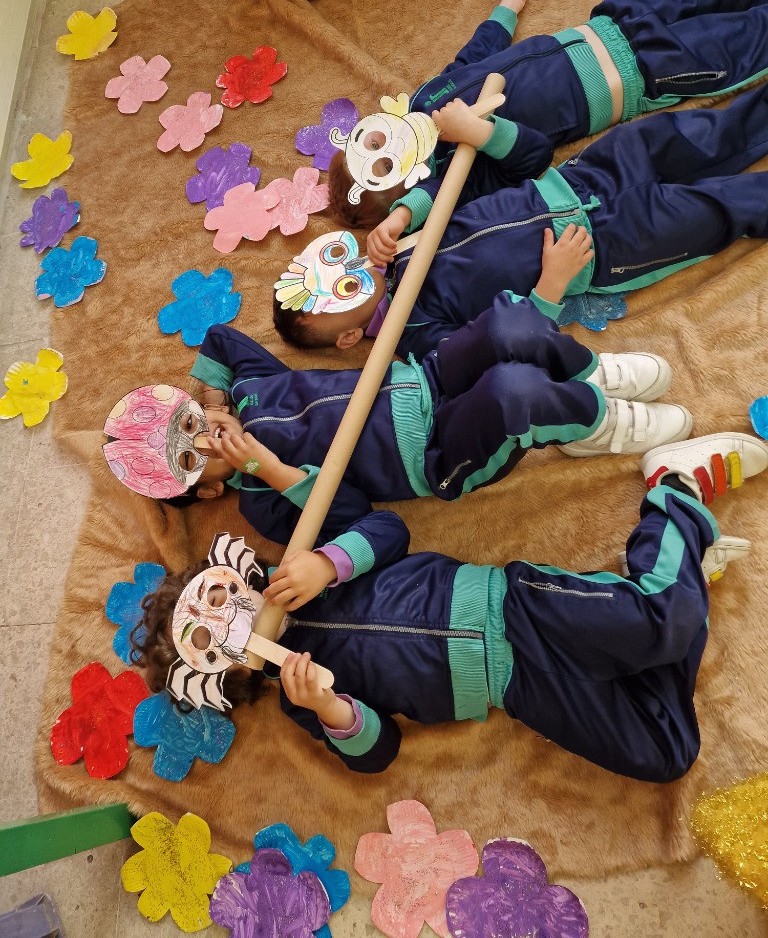
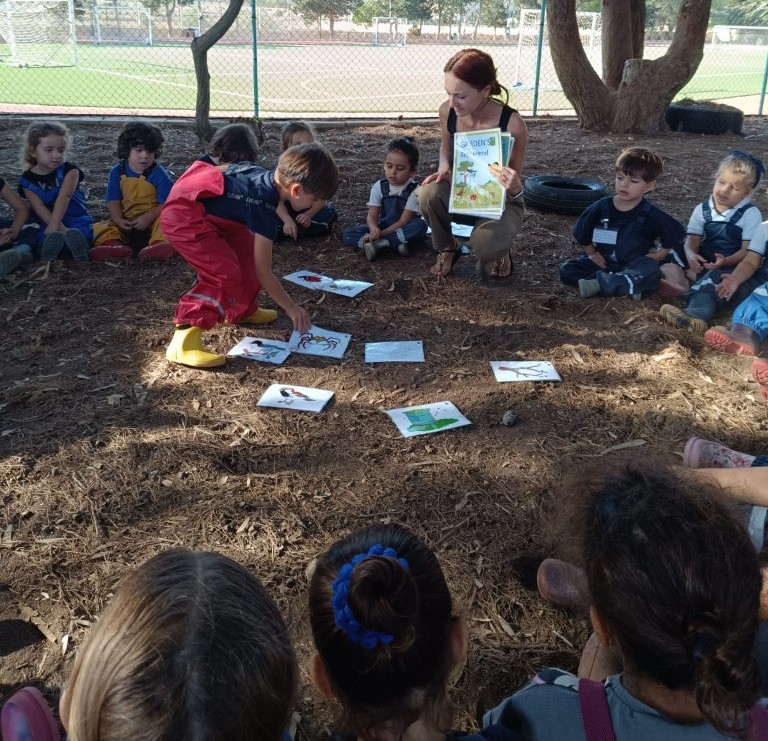
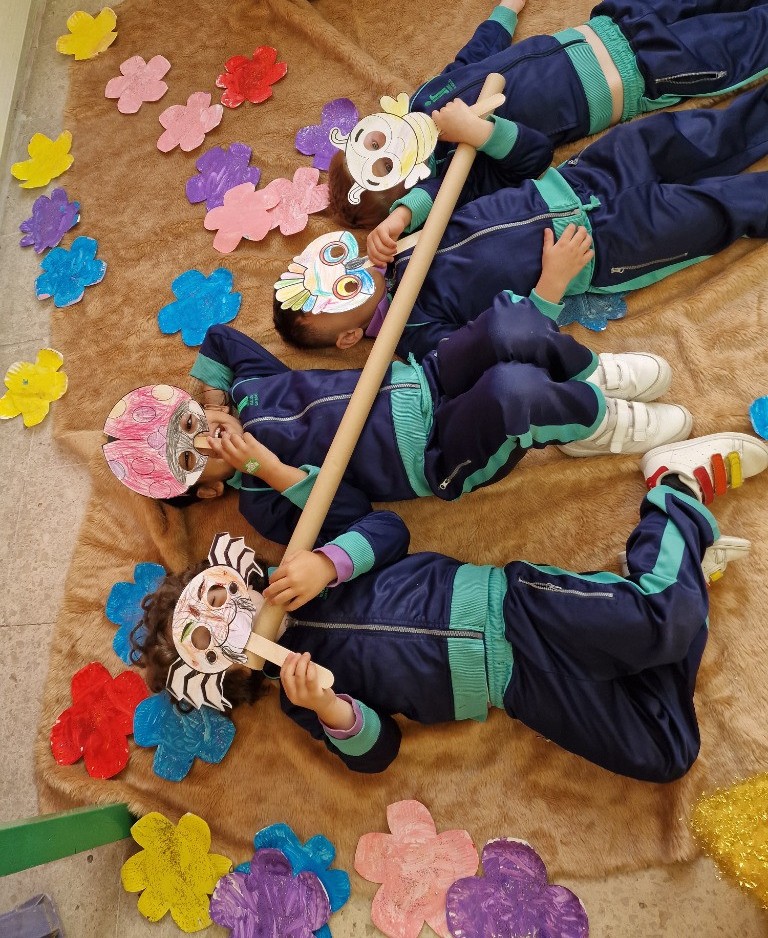
Practise sequencing skills with storyboards or picture cards to retell events in order. You may use the "Story cards" or the "Storybook" from the Downloadable Materials. Try dramatizing the story with the use of "Face masks" (Downloadable Materials).
Resources & Equipment Needed
- Story cards (Downloadble Materials);
- Face masks (Downloadble Materials - optional);
You can download these instructions in PDF by clicking here: Generate PDF
Downloadable Material
Activity Sheet_Garden friends 1
PDF Document
Storybook
PDF Document
Garden' best friends story (EN and ML)
PDF Document
Story cards
PDF Document
Face masks
PDF Document
Make sure to take photos of:
1. Children listening to the story2. Any dramatization or follow-up activities
Activity Photos for Inspiration
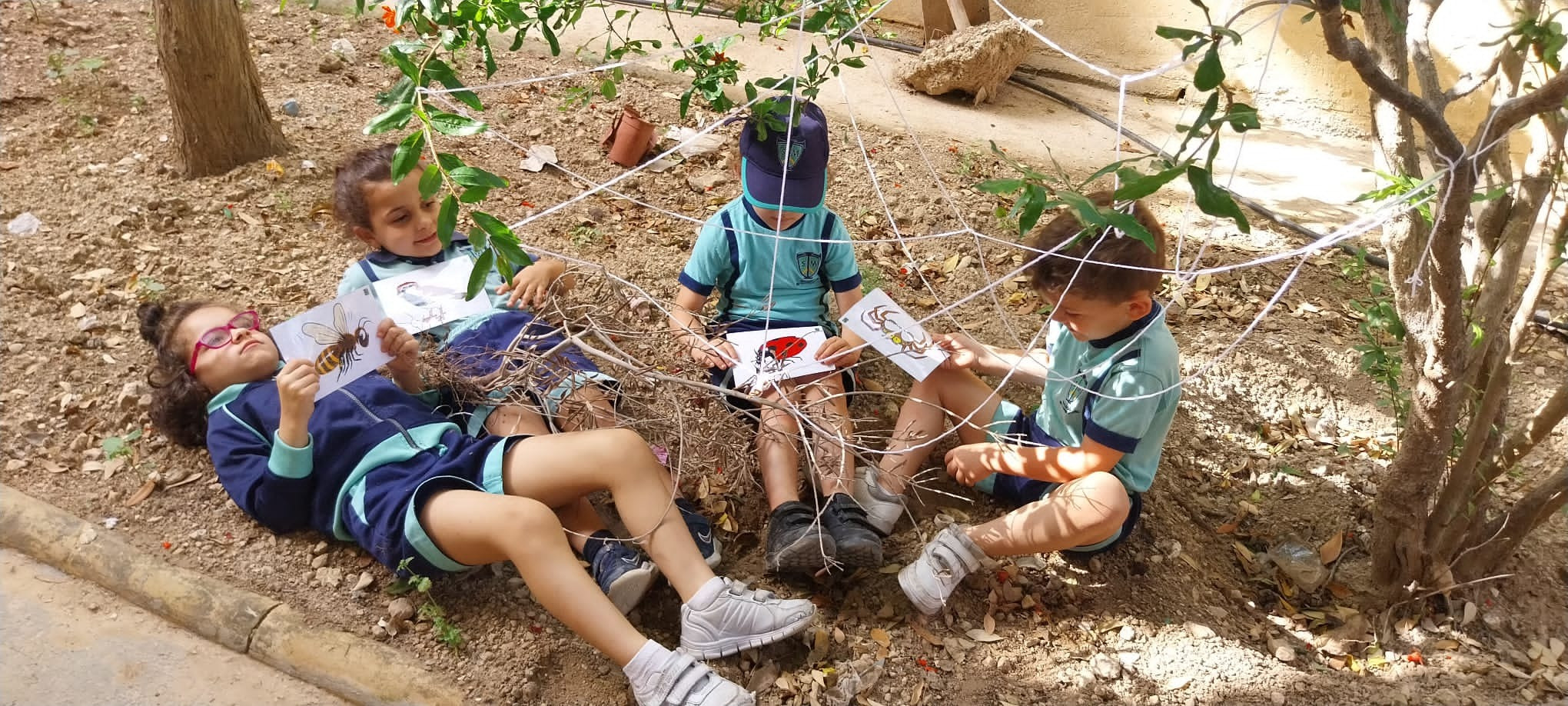
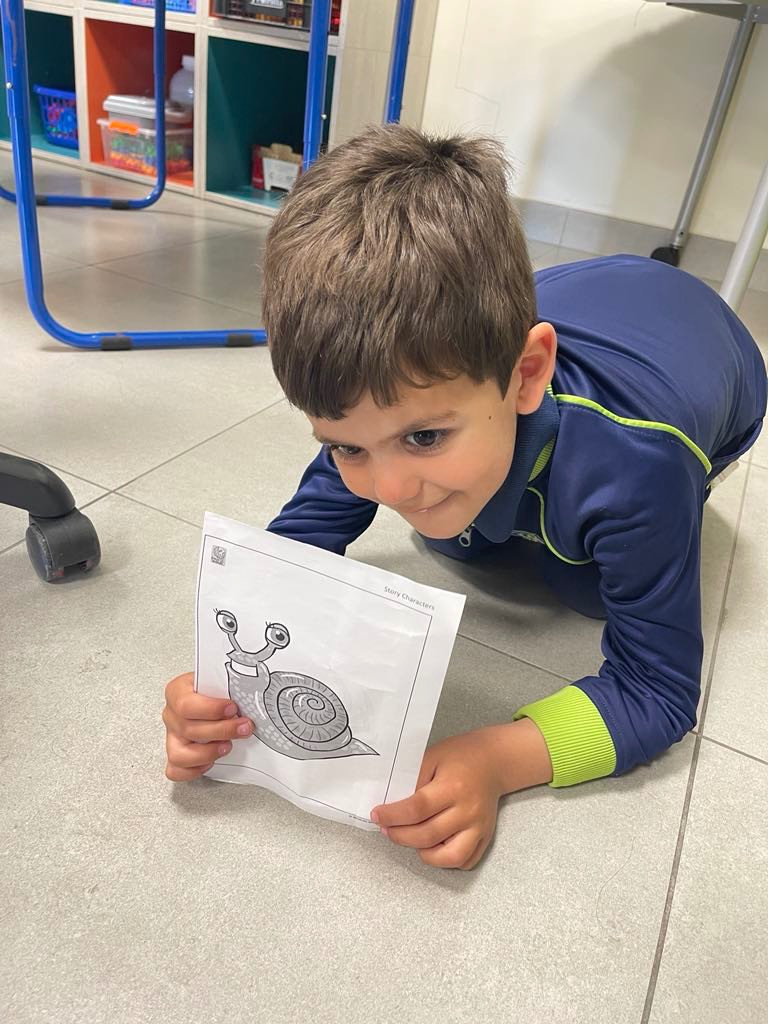
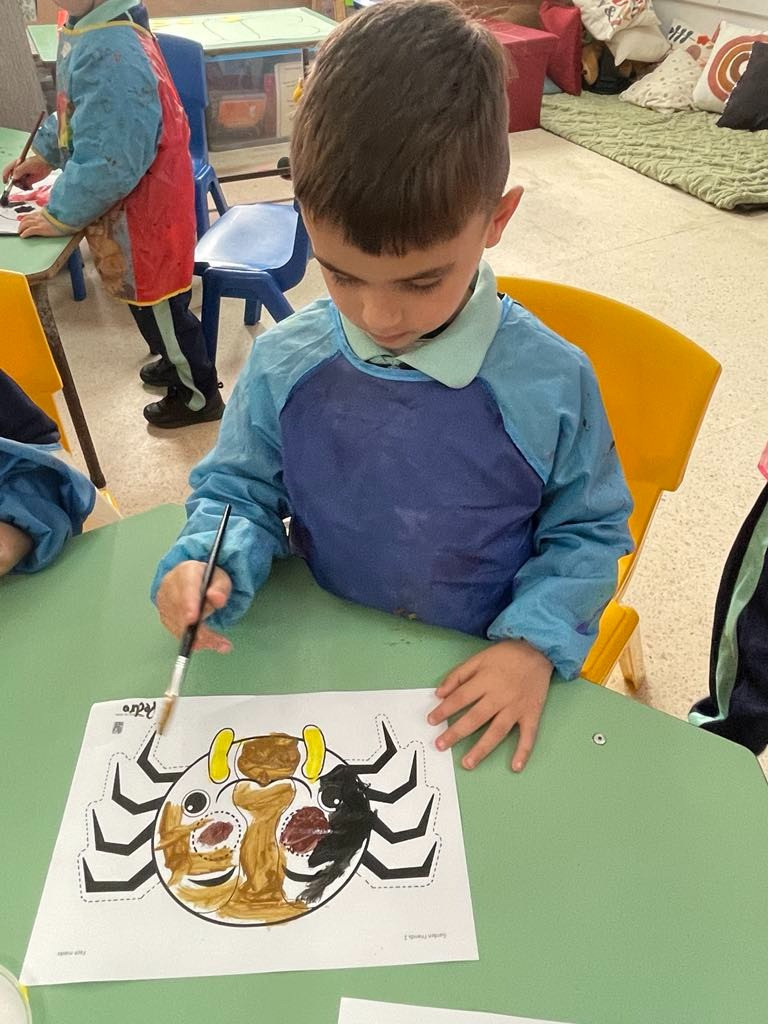
Learning Outcomes & Curriculum Integration
Subjects
- - Emergent Curriculum
Learning Outcomes
Garden Friends 2 Learning Outcomes
1) Children who develop a strong sense of identity
|
1. 1 Children who develop in a safe, secure environment which they can trust. |
3. I engage enthusiastically with new challenges in all areas of development when I feel safe. |
|
1.2 Children who develop a sense of independence and autonomy. |
5. I explore opportunities to test my abilities e.g. caring for a pet/plant, catching a ball, drawing a picture |
|
8. I make good use of resources to complete given tasks. |
2) Children who have a positive self-image
|
2.1 Children who believe in themselves fully aware of their potential and capabilities. |
1. I interpret my ideas creatively e.g. through art, music, movement, play. |
|
2. I approach new situations positively and with confidence. |
|
|
2.2 Children who gain confidence in themselves and their achievements. |
2. I am prepared to try things out. |
3) Children are socially adept
|
3.1 Children who are capable of establishing relationships with others. |
1. I actively interact with others in games and activities |
|
2. I understand I need to negotiate with others about shared activities and act accordingly. |
|
|
4. I take turns and share ideas when working collaboratively in a group. |
4) Children who are effective communicators
|
4.1 Children who are capable of using different forms of media for communication. |
3. I speak fluently in L1 using a broad sequenced narrative. |
|
4. I show increasing knowledge and skill in using a range of media (e.g. pictures, printed material) to convey meaning. |
|
|
5. I understand and use increasingly advanced and varied vocabulary. |
|
|
4.2 Children who interact and engage with varieties of text and printed material increasing their awareness of purposes/functions. |
4. I retell stories or information from books through conversation, artwork, creative movement, drama, emergent writing, etc. |
|
11. I understand that thoughts and ideas can be represented through words, pictures and images. |
|
|
15. I can make basic graphic representations to express my ideas for a particular purpose e.g. scribblings and drawings |
|
|
4.3 Children who are familiar with symbols and patterns and their use. |
1. I use symbols in play to represent ideas |
|
4. I can discriminate between different sounds in my environment |
|
|
4.4 Children who are aware of different language systems, notably L1 and L2. |
1. I can use L1 to achieve my communicative goals |
|
2. I recite a selection of songs, rhymes and stories in L1 and L2. |
|
|
4. I can use different languages (L1, L2, sign language, pictures or gestures) to communicate with different people and in different situations. |
5) Children who nurture positive attitudes towards learning and become engaged and confident learners
|
5) Children who nurture positive attitudes towards learning and become engaged and confident learners |
1. I can broaden my knowledge through enquiry and discovery |
|
3. I can manipulate resources to investigate, take apart, assemble, invent and construct. |
|
|
4. I can respond creatively to a variety of stimuli. |
|
|
6. I can express and communicate ideas, thoughts and feelings through the expressive arts (music, drama, movement and art and design). |
6) Children who develop appropriate physical skills
|
6.1 Children who develop control and coordination of larger movements. |
4. I can move around with control and coordination. |
|
6.2 Children who develop control and coordination of smaller movements. |
3. I can manipulate a pair of scissors to cut various materials, e.g. playdough, straws, paper. |
|
|
4. I have developed the use of a dominant hand. |
Integration with Curriculum
|
Activity |
Topic |
Proposed Time |
Resources |
|
Garden Friends 1 |
· Insects · Birds · Garden · Friendship – Teamwork, everyone has its own qualities · Solving problems
· |
All Year Round |
· Story (Resource file) · Story cards |