A Shore Thing 1
1. Explore the Shore Catch Page
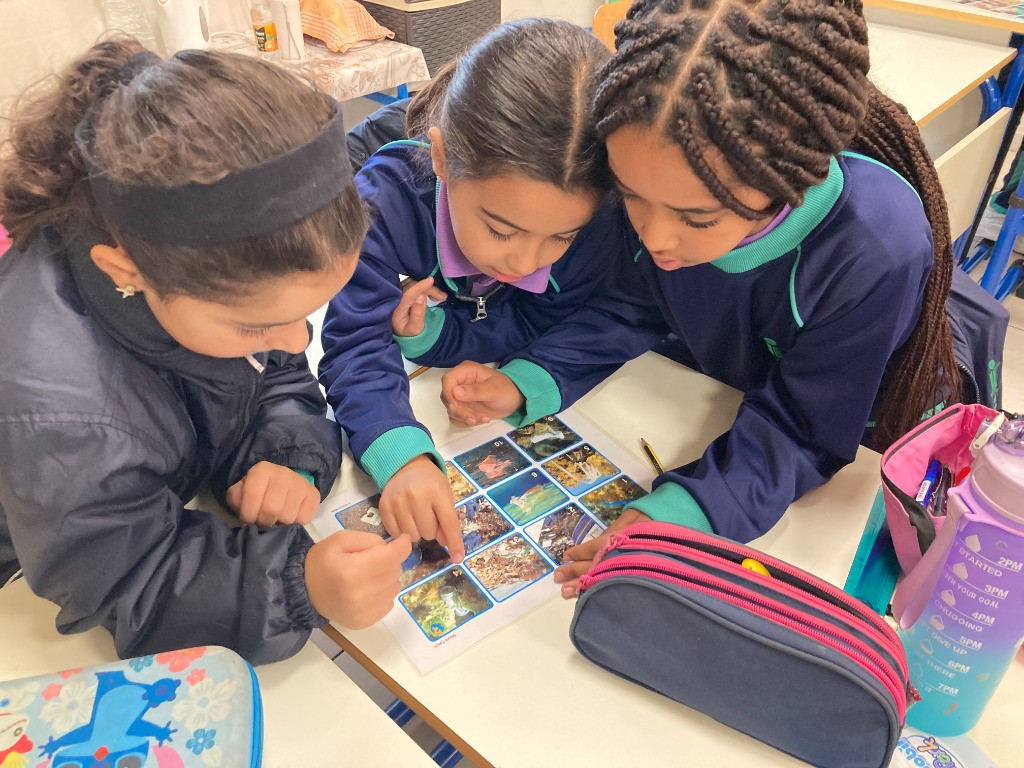
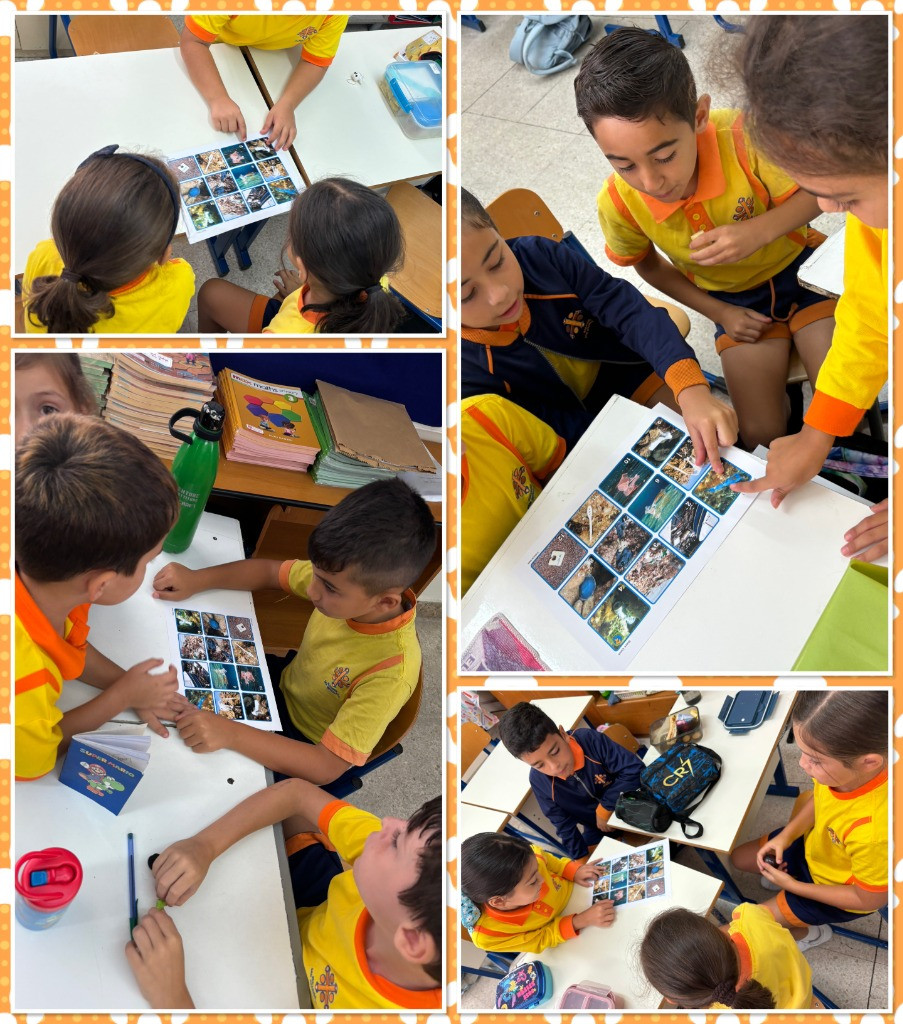
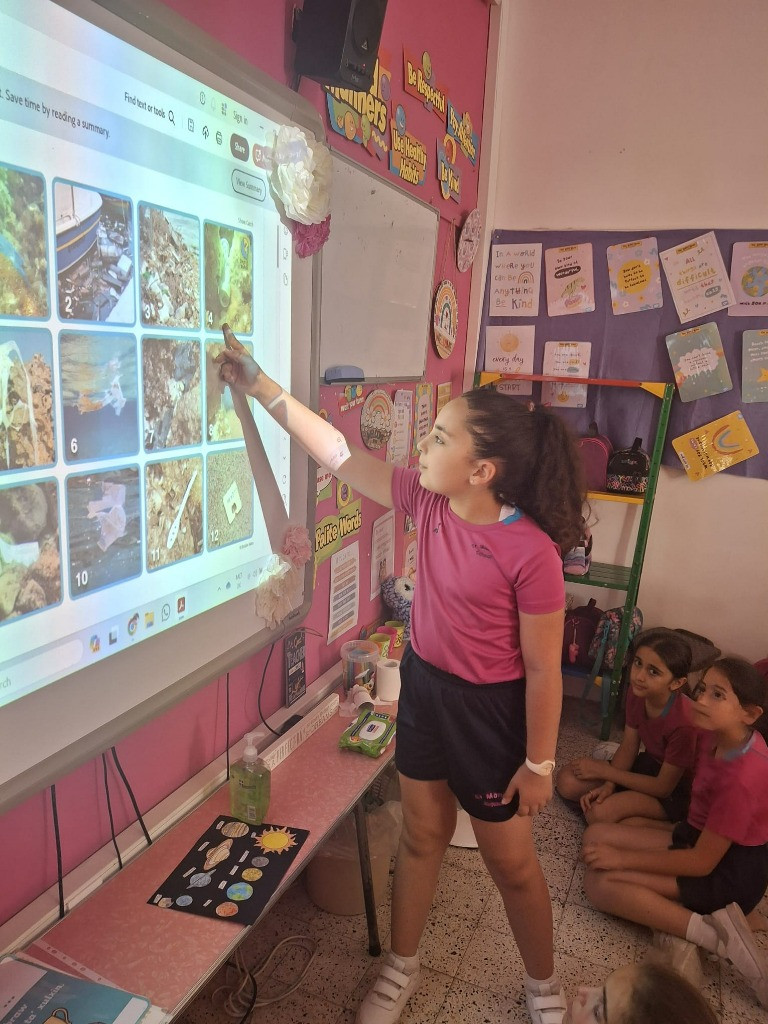
Help the children access the "Shore Catch" page (Downloadable Material). In groups, they examine the photos and discuss what type of litter they see and where or who it might have come from. They record their ideas in two columns in their copybooks:
- Type of Litter
- Source.
2. Watch the Sea Life Film Clip
Show the "Sea Life" clip (Downloadable Material). Encourage the children to share their experiences of similar wildlife and discuss the animals’ behaviour.
3. Discover Shore Life Creatures
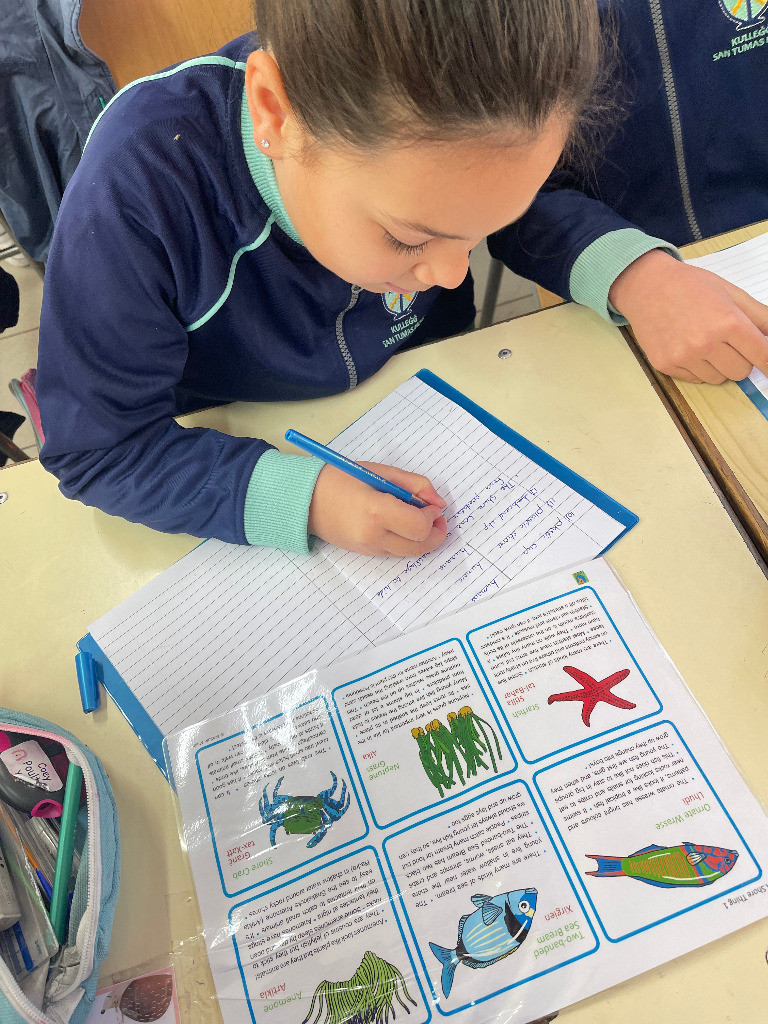
Provide the children with the "Shore Life Cards" (Downloadable Material). Allow time to explore the information, supported with fact-scanning questions for them to answer. There is additional information for teachers about each species in the "Shore Life Info" file (Downloadable Materials).
4. Match Creatures to Habitats
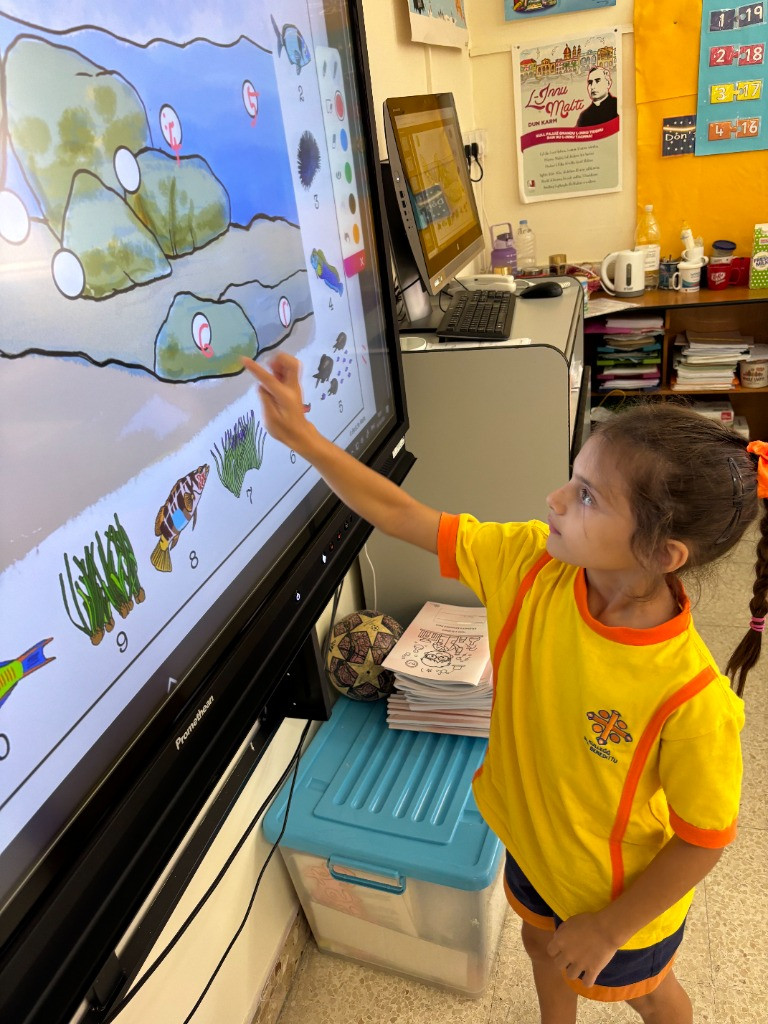
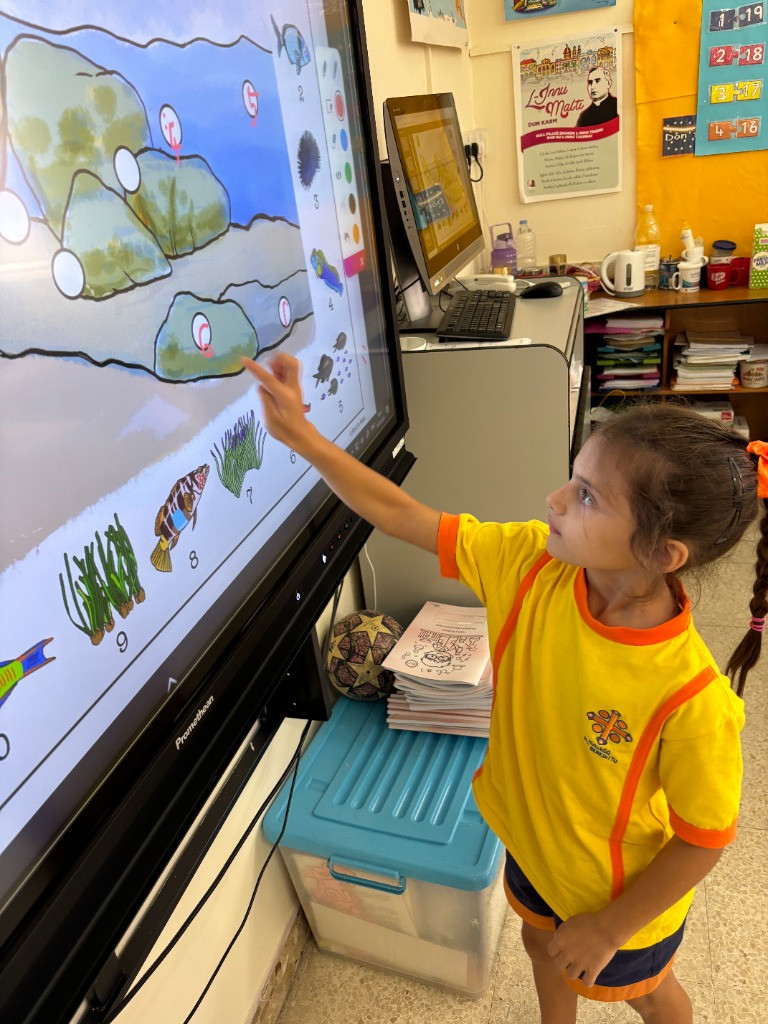
Project the "Shore Habitat" canvas (Downloadable Material). Children guess which creature belongs in which habitat and write the correct number in the circle using the interactive pen. Remind the class that multiple arrangements are possible (e.g. only the shore crab can crawl onto rocks, while the anemone cannot move around).
5. Link Litter and Wildlife
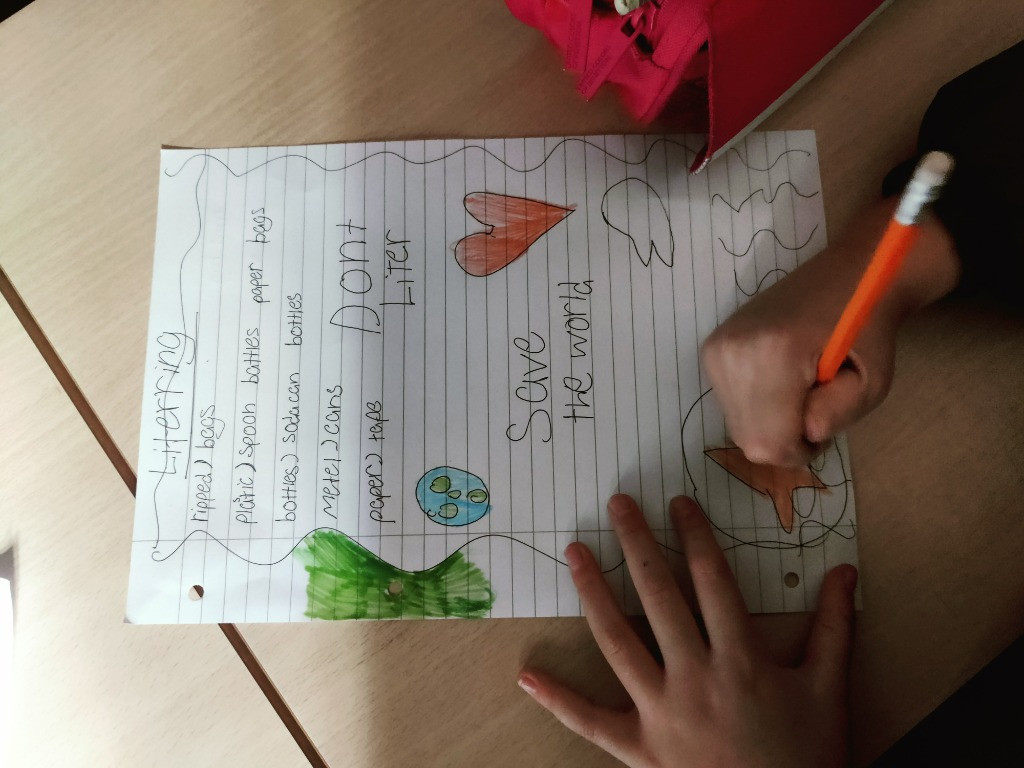
Once the habitat activity is complete, return to the Shore Catch page and discuss how litter on beaches and in the sea affects the creatures they just learned about. Help the children make connections between human activity and nature. If needed, extend the discussion to address behaviours such as hobby-fishing or catching shore life “for fun,” exploring cultural, habitual, or practical reasons people do this, and why it is important to protect nature, especially on an overpopulated island where wildlife can easily disappear.
Resources & Equipment Needed
Nothing extra needed
You can download these instructions in PDF by clicking here: Generate PDF
Downloadable Material
Sea Life
YouTube Video
Activity Sheet_A shore thing 1
PDF Document
Shore catch
PDF Document
Shore habitat
PDF Document
Shore life cards
PDF Document
Shore life info
PDF Document
Make sure to take photos of:
1. Children watching Shore Catch in groups2. Children eliciting information from Shore Life cards
3. Children matching wildlife with Shore Habitat canvas
Activity Photos for Inspiration
Learning Outcomes & Curriculum Integration
Subjects
- - Science
Learning Outcomes
English
LS 5.1 I can listen attentively to a text and demonstrate understanding by responding to questions about the content of the text and by making some inferences.
LS 5.10 I can listen to others, letting them put forward their point of view and take turns in a discussion and/or conversation.
LS 5.14 I can listen carefully and follow a sequence of simple instructions and directions.
LS 5.7 I can order my ideas and describe them effectively as I contribute to discussions supported by the teacher. (e.g. debate)
R 5.6 I can express my opinions about a text at my own reading level, giving clear reasons why I like or dislike the text.
LIT 5.6 can show my personal response to the literary text I encounter.
LAP 5.7 I can describe persons and objects adopting simple linguistic forms e.g. using simple present and past tenses, using simple and compound sentences.
Science
4.1.1. Ask questions about the world around me.
4.1.3. Make a prediction about a situation from a limited number of options.
Integration with Curriculum
Suggestions for teachers:
After following the instructions found on the website, here are some ideas on how to implement this activity:
1. Into groups - assign different images of plastic and have them discuss the type of litter and where it comes from.
2. While still in groups, present the wildlife images on the students' tablets. Ask them to read the instructions once students have had the chance to read through the information on each creature, play a game or a quiz on the facts they have just read and ask them to guess which creature.
3. The teacher may extend this lesson providing a reading comprehension or books dedicated to plastic in the sea - how it ends up there and the problems it creates.