Flower Detectives 3
1. Plan an Outing
Organise a trip to the countryside, a safe wild patch in your town, or book a class visit to a BirdLife Malta nature reserve.
2. Prepare Flower Fact Cards
Create fact cards using the "Flower Cards" pages (Downloadable Material). Place a picture on one side and the corresponding information on the other (see example fact file).
3. Become Flower Detectives
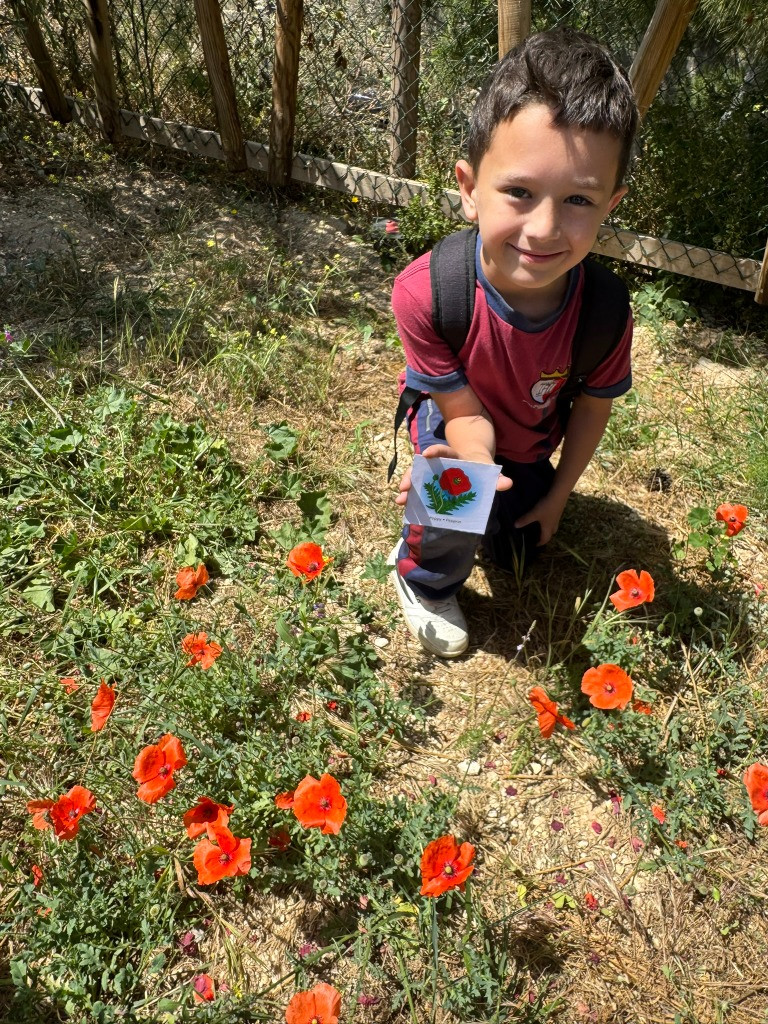
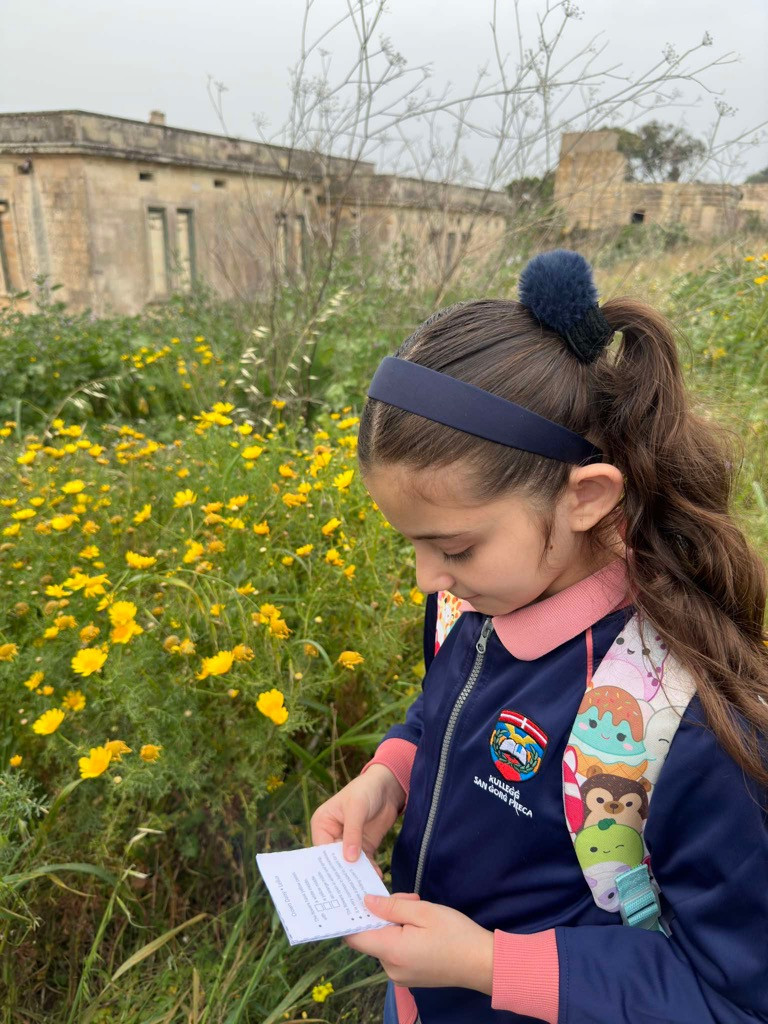
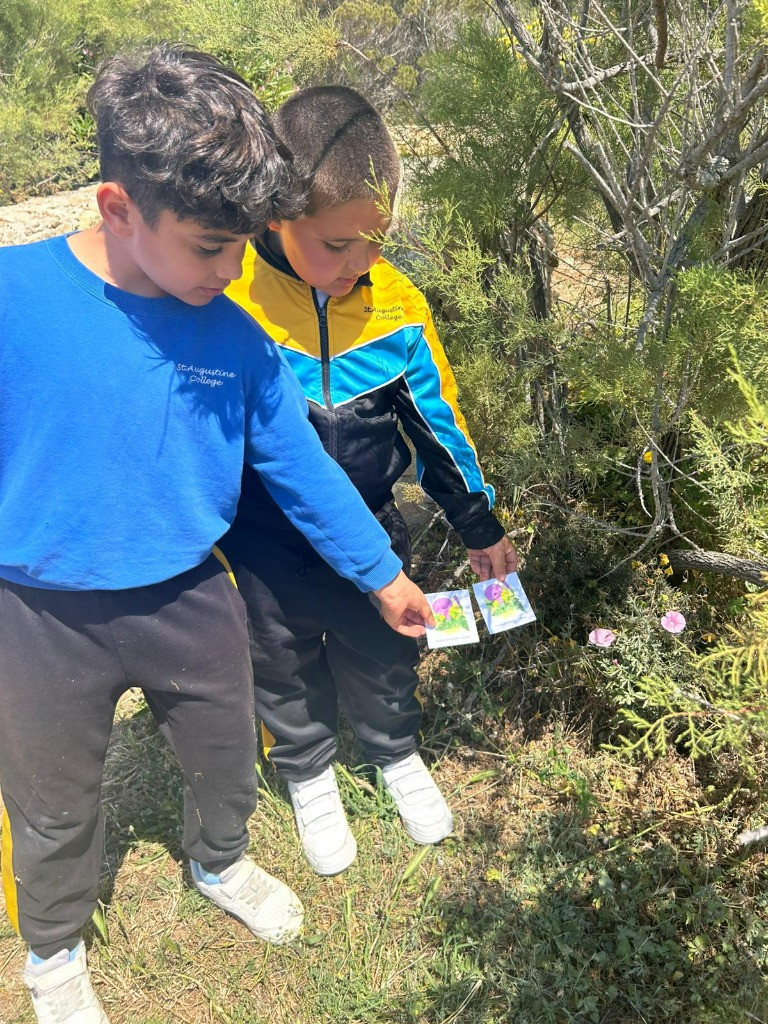
Divide the children into small “flower detective” groups and give each group two cards. During the outing, the groups try to match real flowers they spot with the pictures and names on their cards. Once they identify a flower, they fill in the missing information on their card and add any missing colours or details.
4. Bring Learning Back to School
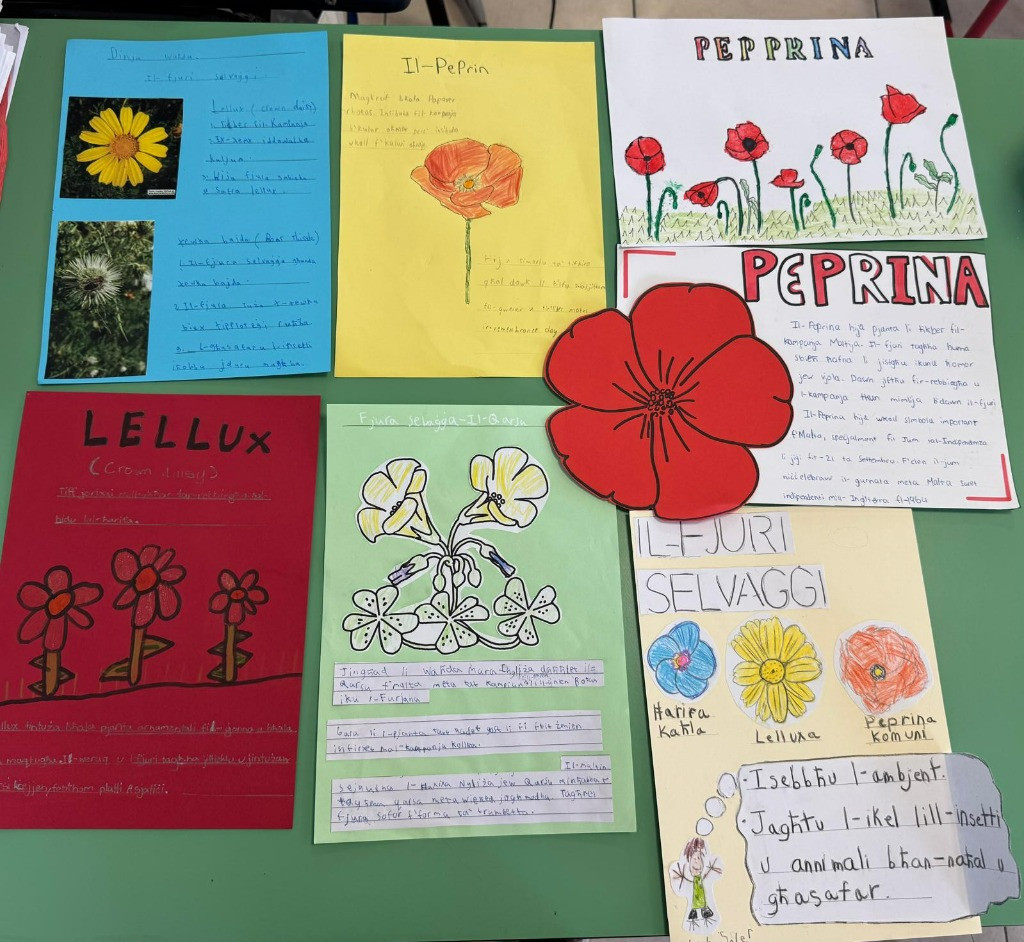
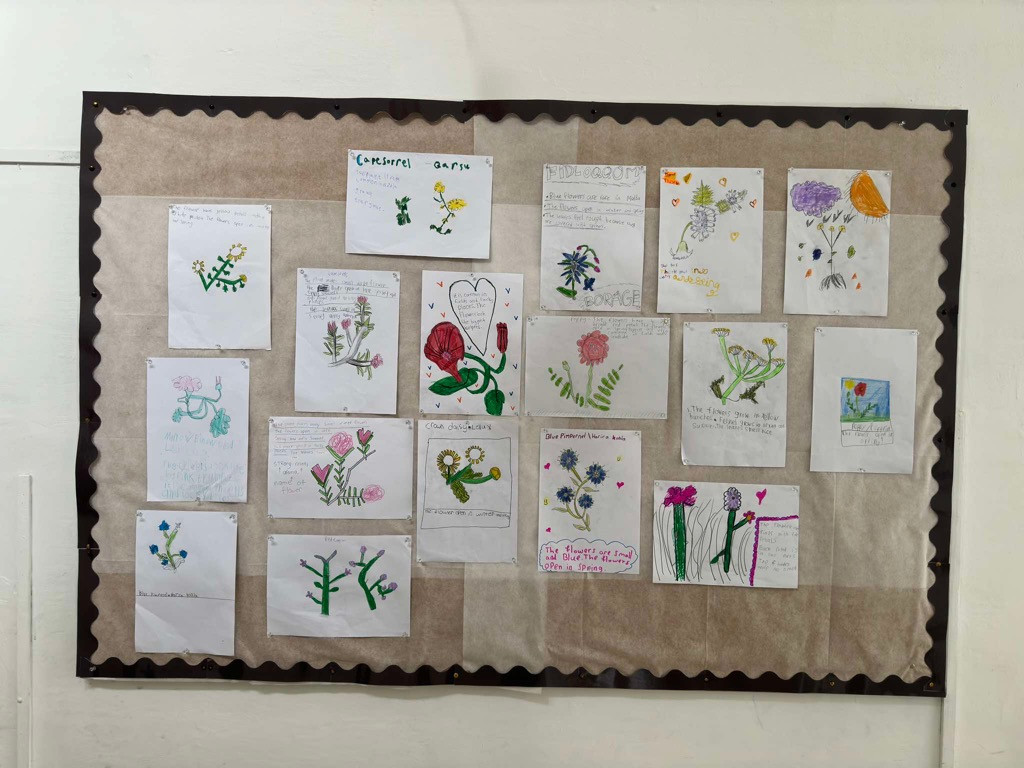
Once back in the classroom, decide together how to share the knowledge gathered. Remember, you now have two elements to showcase: factual information and artistic work.
5. Create a Public Display
Carry out the chosen idea in a visible space at school. Add slogans to spread awareness and challenge the misconception that wildflowers are simply weeds / ħaxix ħażin.
Resources & Equipment Needed
- Cards (Downloadable Materials);
- Scissors;
- Glue;
- Art and craft supplies of their choice;
You can download these instructions in PDF by clicking here: Generate PDF
Downloadable Material
Activity Sheet_Flower detective 3
PDF Document
Flower cards
PDF Document
Make sure to take photos of:
1. Children during outing collaborating to fill in flower cards2. The final product (fact cards file) to share with rest of school
Activity Photos for Inspiration
Learning Outcomes & Curriculum Integration
Subjects
- - English
- - Science
Learning Outcomes
English
LAP 5.4 I can write for a stated purpose, using grammar and sentence starters to suit my needs – With the support of modelled sentence patterns, I can complete simple sentences for a stated purpose (e.g. to write to describe, to write about facts).
LAP 5.5 I can write and speak effectively for a range of purposes.
Science
4.7.3 I can identify some common plants in my local environment, namely the carob tree, Aleppo pine, thyme, crown daisy, cape sorrel, fennel, borage, common and greater snapdragon.
Integration with Curriculum
Suggestions for teachers:
1. Once the students are familiar with the plants an outing would be an ideal opportunity to witness them in their natural environment.
2. Suggested places may include Buskett, Chadwick Lakes or Xemxija Heritage Trail among others.