Flower Detectives 1
1. Discovering what we know about weeds
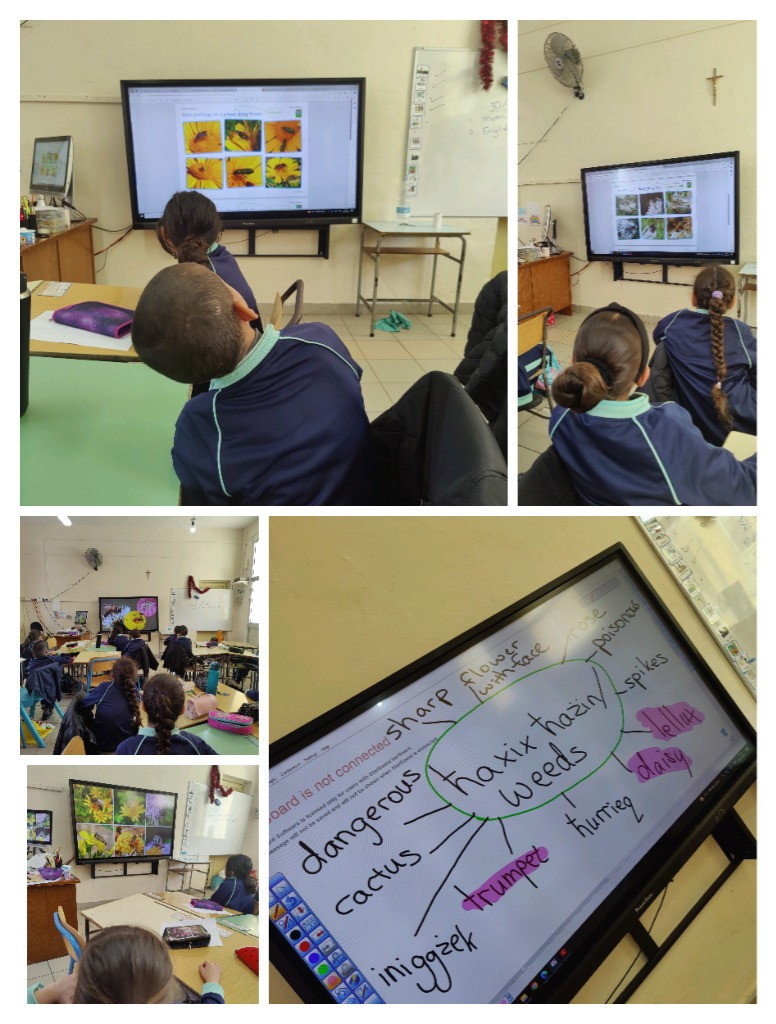
Invite the children to share what they know about weeds (ħaxix ħażin) and write their ideas on the board.
2. Challenging Perceptions
Challenge the idea of wild plants being “just weeds” by displaying the "Life on a Flower photo" (Downloadable Material). Discuss how a simple wildflower can support many different animals. Then return to the children’s initial phrases, has their view changed?
3. Watching and Reflecting
Ask the children to use their tablets to access and watch the "Wild and Wonderful! / Jikbru Waħedhom!" video (Downloadable Material). Discuss the word “weeds / ħaxix ħażin” considering the video. Invite them to invent alternative terms, such as “wildflowers / ħaxix selvaġġ.”
4. Bee Scouts Game
Play the Bee Scouts Game to mimic how bees forage and choose the best routes:
Objective: Children imitate how bees scout for flowers and share information with the hive.
Materials Needed:
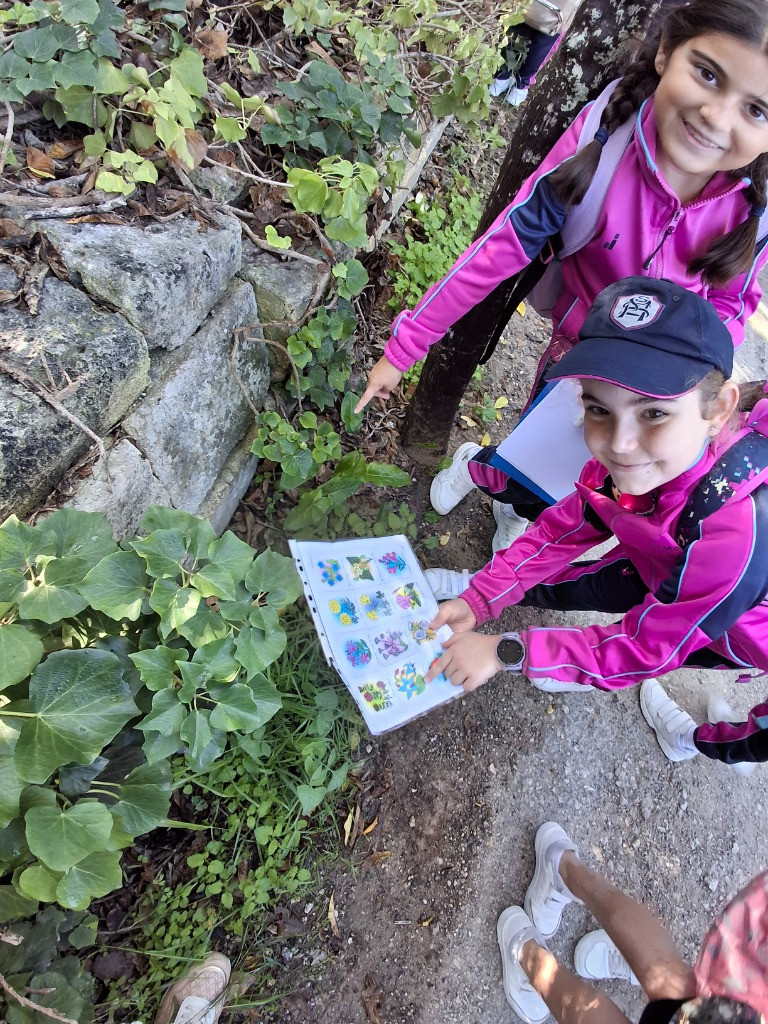
- "Wildflower cards" (Downloadable Material) if no flowers are available in the school grounds;
- Whistle or signal (to call scouts back to the hive);
- At least one extra adult if taking the game outside school grounds.
Steps:
1. Divide the class into small groups of “bee scouts.”
2. Prepare different routes around the school grounds (or nearby streets).
3. Set the hive: the teacher stays in one place as the hive.
4. Send scouts out to count flowers (or cards) along their route.
5. Signal scouts back to the hive (using a whistle or other signal).
6. Share findings: each group reports how many flowers they found.
7. Decide as a hive: the whole class chooses the best route with the most flowers.
8. Repeat (optional) with new routes or to confirm results.
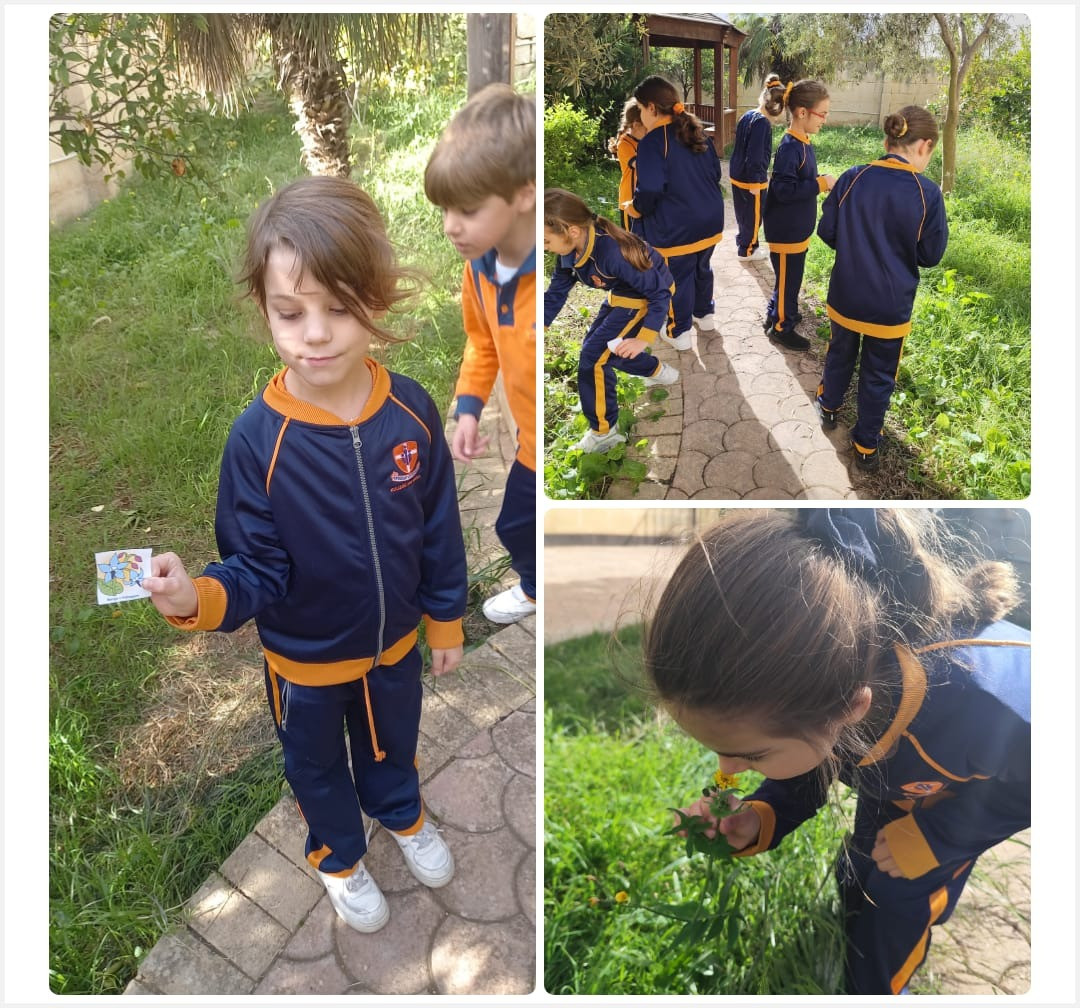
Variation: If no flowers are available, place wildflower cards along the routes to simulate foraging.
5. Improving the School Grounds
Open a discussion about whether the school grounds provide enough wildflowers for bees. Can the children suggest improvements? If you set aside an area for wildflowers, make sure to label it clearly so visitors know it’s a planned pollinator-friendly patch and not a neglected space.
Resources & Equipment Needed
If wildflowers are not available:
- Flower cards;
- Card;
- Scissors;
- Glue;
You can download these instructions in PDF by clicking here: Generate PDF
Downloadable Material
Wild and Wonderful!
YouTube Video
Jikbru Waħedhom!
YouTube Video
Activity Sheet_Flower detective 1
PDF Document
Life on a flower photo
PDF Document
Wildflowers cards
PDF Document
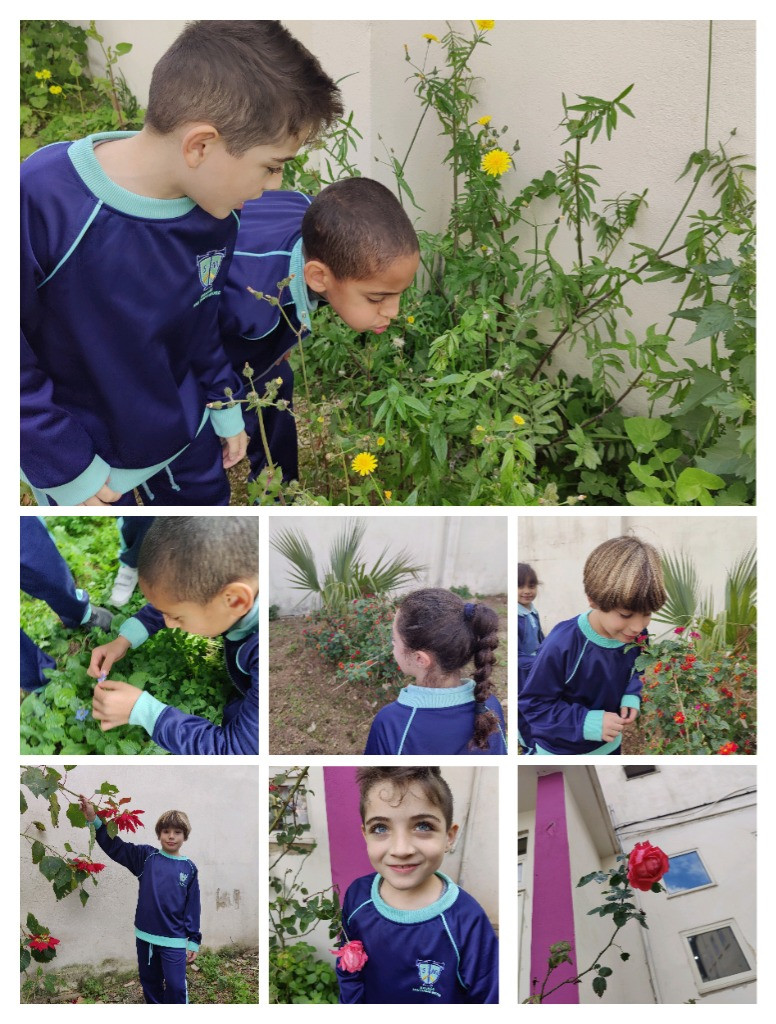
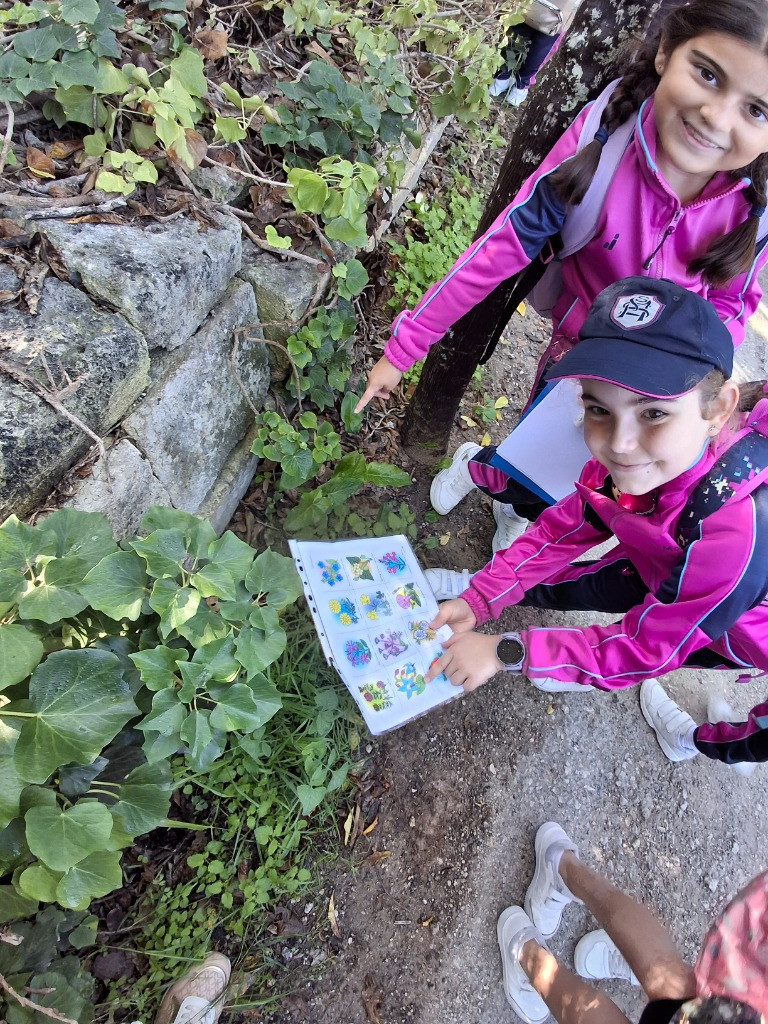
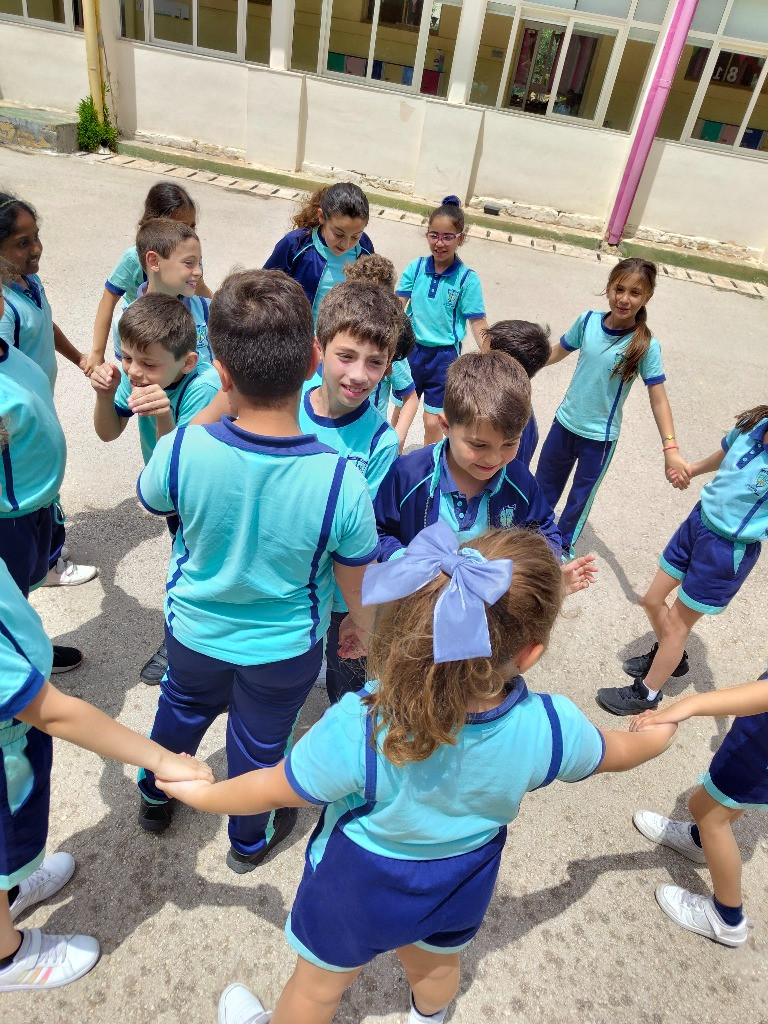
Make sure to take photos of:
1. Children watching the video2. Children playing the Bee Scout Game
Activity Photos for Inspiration
Learning Outcomes & Curriculum Integration
Subjects
- - English
- - Science
- - Physical Education
Learning Outcomes
English
5.9. Use appropriate languages and specific vocabulary fluently to suit different purposes when interacting with others.
5.10 Listening to others, letting them put forward their point of view and take turns in discussions/conversations.
Science
4.7.3 I can identify some common plants in my local environment, namely the carob tree, Aleppo pine, thyme, crown daisy, cape sorrel, fennel, borage, common and greater snapdragon.
Physical Education
OR4.1 Trekking I can trek a 2.5 km route.
OR4.2 Orienteering I can follow basic directions using compass directions.
OR4.4 Team Building I can lead and follow in various team building activities.
Integration with Curriculum
Suggestions for teachers:
1. These activities may be spread over 3 days or a week depending on how the teacher deems fit.
2. This lesson should teach students to appreciate wild flowers and then it should also delve into local plants as listed in the Learning Outcomes outlined here.
3. Focus should then shift to these and ask students to research some of these plants. Some facts they find may be noted on a Padlet.
4. In the absence of a school garden, assign this task to students. Ask them to keep an eye out for any of these plants around them. They are not difficult to spot, in fact most grow under pavements or in abandoned fields.