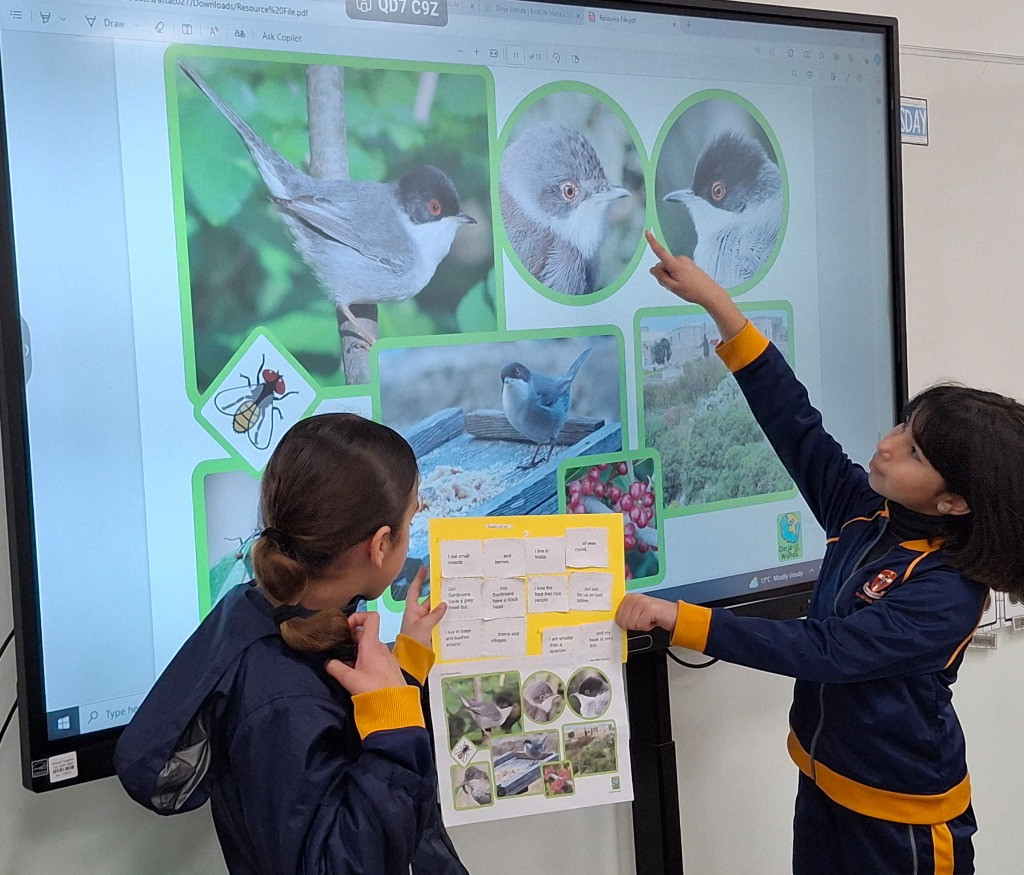
Our Flying Guests 1
1. Bird detective groups
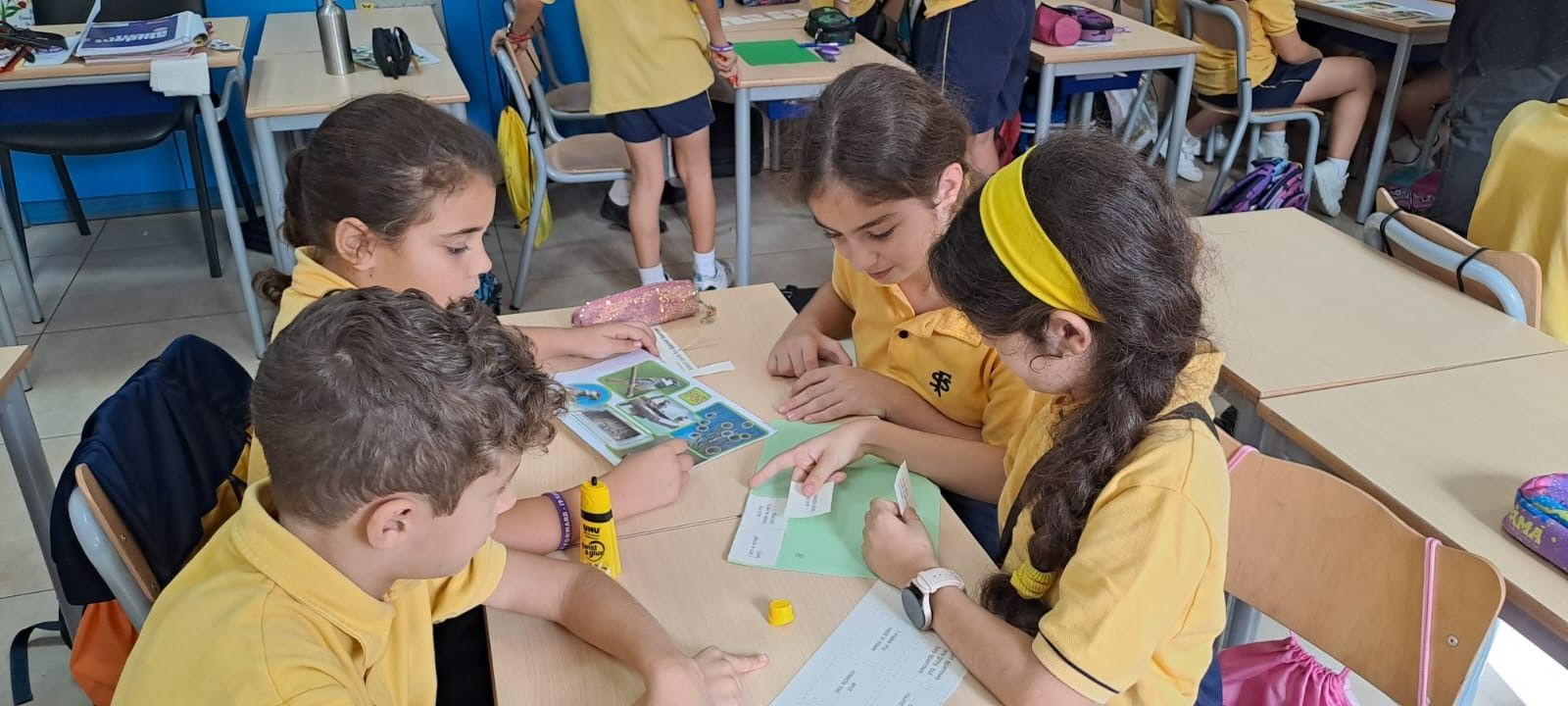
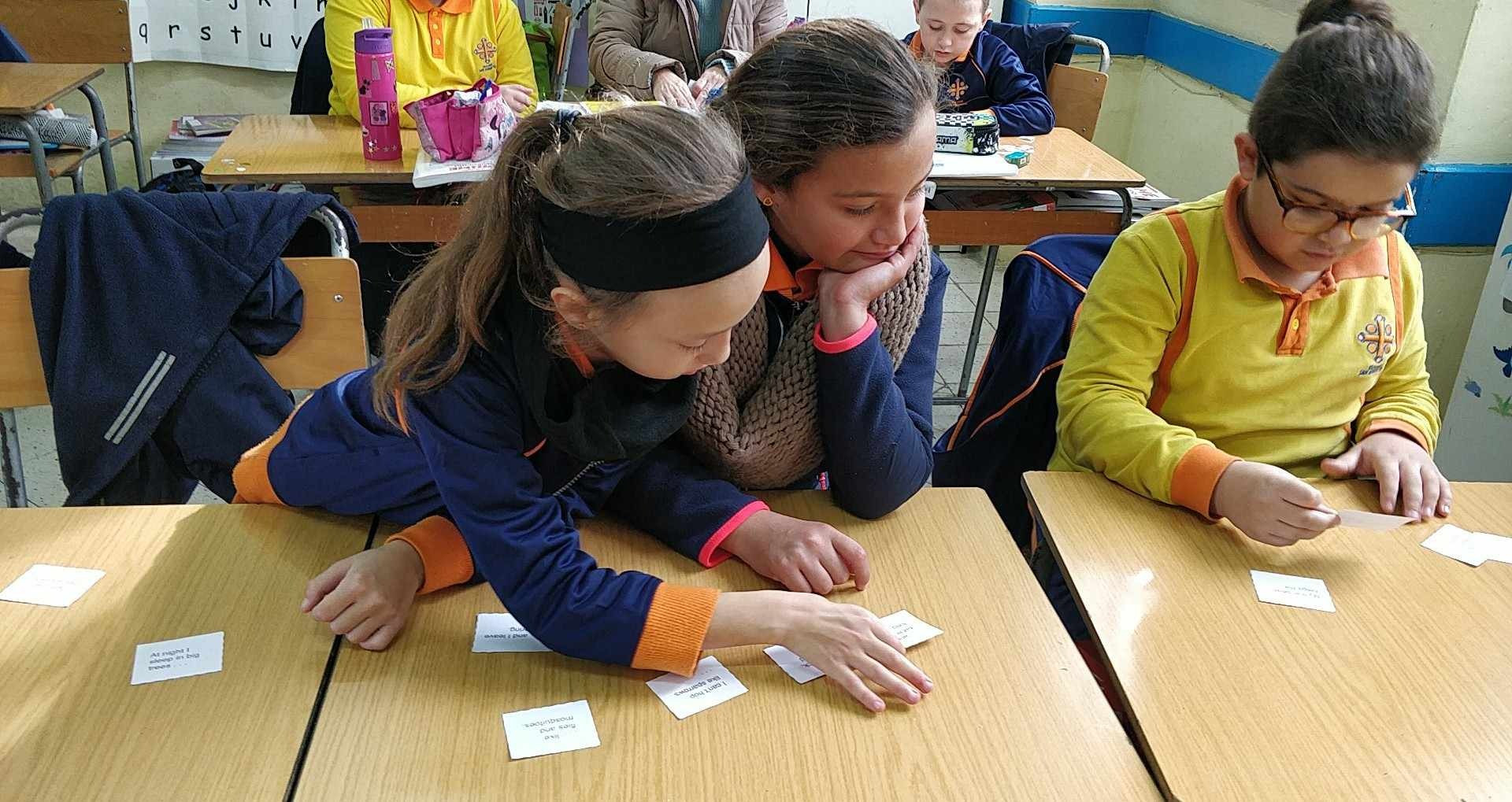
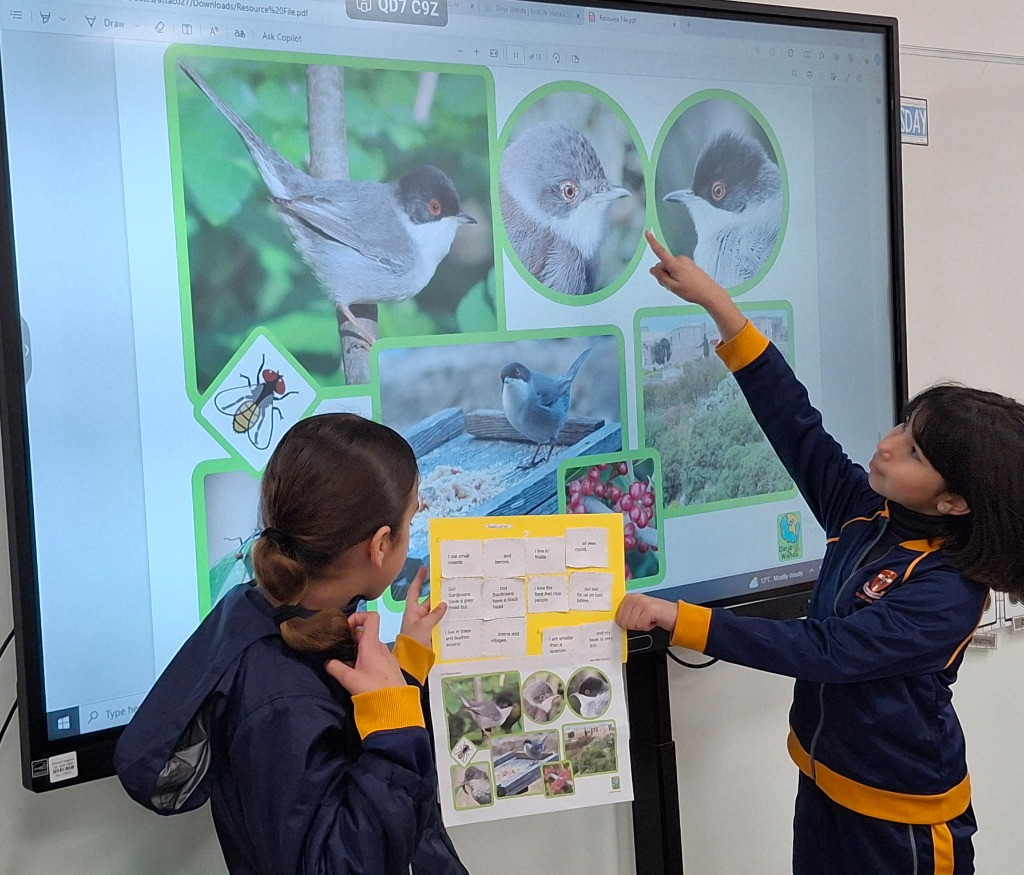
Divide the class into six groups and give each group a set of mixed sentences from the "Town Bird Match Cards" (Downloadable Materials). The groups piece the sentences together to learn key facts about their assigned bird.
2. Matching Birds to pictures
Guide the children to access the "Town Bird Pictures" (Downloadable Materials) on their tablets. Each group selects the images that correspond to the information they have about their bird.
3. Sharing Bird discoveries
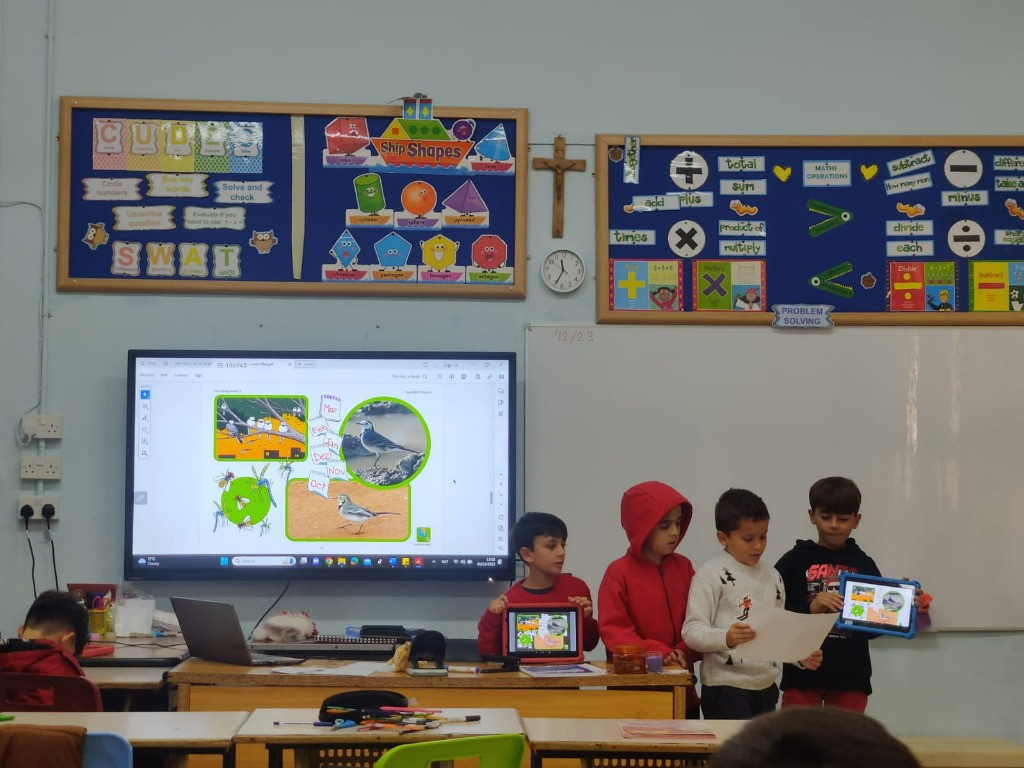
In turns, have each group present their bird to the class. Display all the pictures on the interactive board as the children point out the corresponding images while sharing their findings.
4. Helping Birds survive winter
Discuss how humans can act as hosts for birds living near us, especially during cold months. Talk about how birds expend energy to stay warm and need extra food, linking this to human diets and the importance of fats in winter. Use problem-solving to explore ways to provide food, such as using bird tables.
Important! Make sure children understand that birds shouldn't eat human food, eg. bread, biscuits, etc.
5. Bonding with Birds Through Film
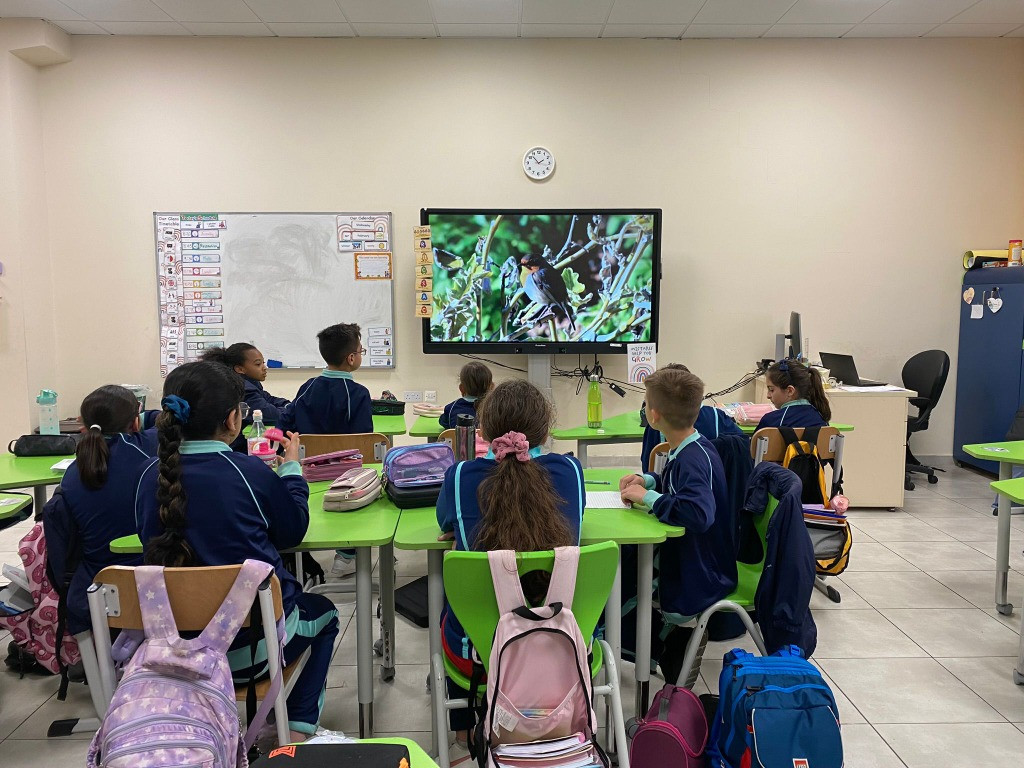
Show the "Birds Around Us film" clip (Downloadable Materials) and encourage the children to reflect on what they enjoy, favourite birds, funniest behaviours, most interesting calls—and share these observations with the class.
6. Observing Birds in Action
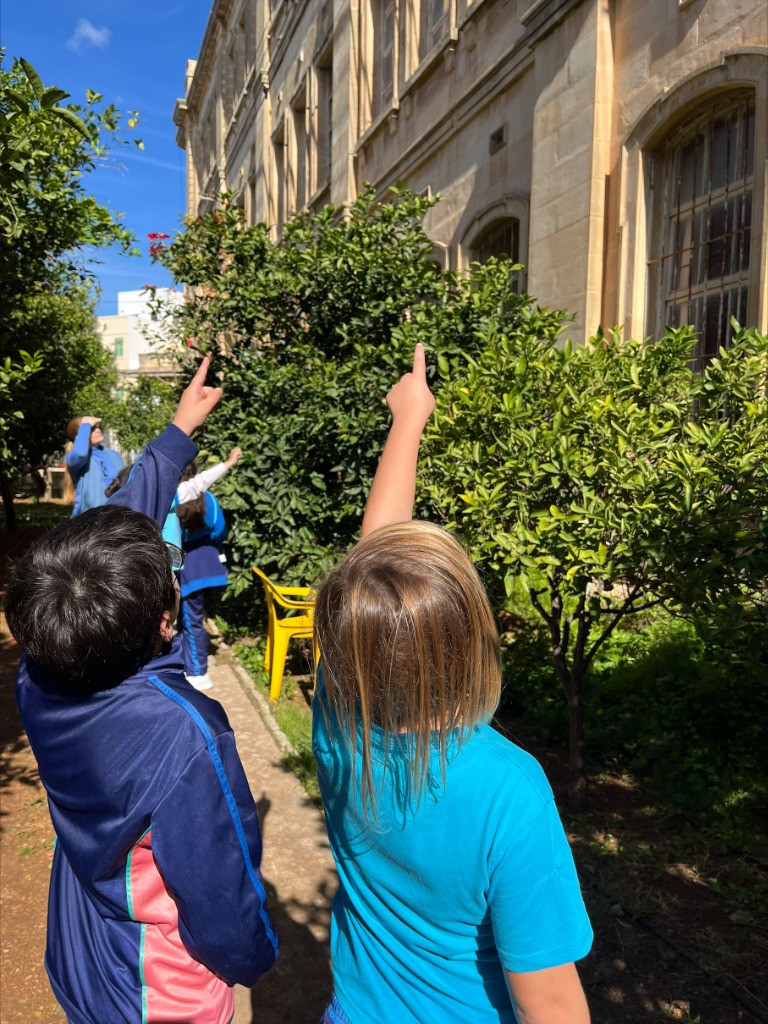
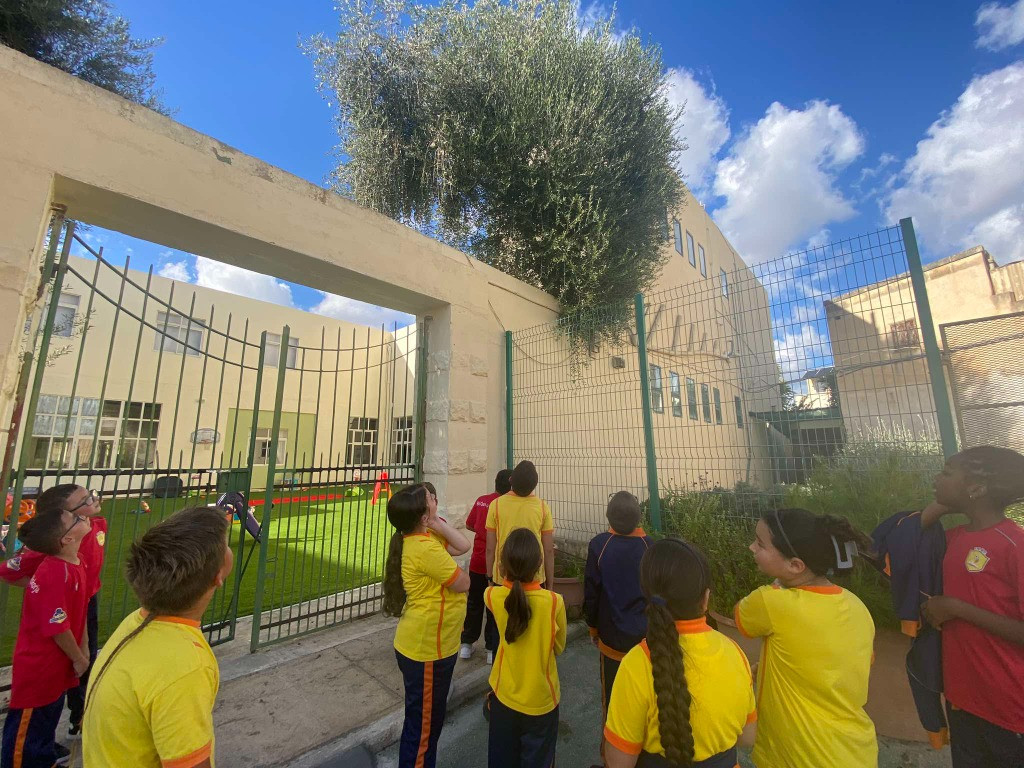
Take a quiet tour of the school grounds, observing and listening for any of the six urban birds studied. Early morning is ideal, as birds are most active at this time of the day.
Tip: Use the "Common Birds in Malta" file (Downloadable Materials) for additional information about when to find these species and what do they look like.
Resources & Equipment Needed
Nothing extra needed
You can download these instructions in PDF by clicking here: Generate PDF
Downloadable Material
Birds Around Us
YouTube Video
Activity Sheet_Our flying guests 1
PDF Document
Common birds in Malta
PDF Document
Town birds match cards
PDF Document
Town birds pictures
PDF Document
Make sure to take photos of:
1. Children matching cards2. Children reacting to film clips of town birds
3. Children in grounds looking for town birds
Activity Photos for Inspiration
Learning Outcomes & Curriculum Integration
Subjects
- - Science
- - English
Learning Outcomes
Science
5.1.1 I can ask questions about the world around me.
5.2.1 I can list the seven characteristics of life and explain why each is essential (movement, respiration, sensitivity, growth, reproduction, excretion, nutrition).
5.2.4 I can name and give examples of the five different groups of vertebrates (mammals, birds, reptiles, fish and amphibians).
5.2.6 I can describe the lifecycle of birds, insects, and frogs.
English
RV 6.1 I can read aloud clearly, confidently and fluently as well as express clear diction.
RV 6.3 I can show understanding and react to a different range of genres and of age appropriate texts.
SR 6.9 I can express my own opinion clearly and I can also take it in turns in a discussion and conversation.
Integration with Curriculum
Suggestions for teachers:
1. This activity could easily be integrated with English lessons and the theme 'The Natural World and Wildlife'.
2. This activity could be used as an introduction to the Science lesson about the life cycles of birds.
3. Students can create a poster with the information they collected. The teacher sets up a display of their work in the corridor to inform others about local birds.