Nature Watch
1. Look at News About Threatened Habitats
Create a discussion around the need for nature reserves. Build up to the subject by sharing a few news headlines about threatened habitats with the children. You can do this either through newspaper cuttings, or screengrabs you have made from online newspapers. Elicit the common element among your articles: loss of land for nature.
Tip for Year 4: Create simple, colourful "news headlines" related to nature loss. Use large pictures and simple sentences like "Trees Are Being Cut Down" or "Animals Need New Homes."
2. Learn What a Nature Reserve Is
Introduce the idea of nature reserves as places people “set aside” for nature’s homes. You may wish to use any of these videos about BirdLife’s nature reserves to give the children an idea of the work and dedication to nature that goes behind creating homes for nature. You will find the links here.
Tip for Year 4: Create an interactive discussion. After the video, discuss what they saw.
What is a nature reserve?
Why do we need to set aside land for nature?
What animals did you see in the video?
3. Plan and Book Your Visit to a Nature Reserve
Book a visit to a BirdLife Malta nature reserve (email [email protected]) to see first hand how land can be managed to give nature a home. Once you book, you will be sent a link to a worksheet relevant to your year group.
We are experiencing a high volume of field visit requests, and we encourage you to secure your reservation early as slots are limited and assigned on a 'first come, first served' basis.
Years 1/2 – Hands-on visit at Salina (in English)
Year 3 – linked with Social Studies
Years 4/5 – Linked to Science and Social Studies - Hands-on visit at one of BirdLife Nature Reserves
Year 6 – linked with Science, but see also topic Riding the Wind (Salina visit)
Please be advised that we do not offer field visits for Kinder 1 and Kinder 2. You can, however, opt for organising your own nature visit at Buskett or any nature area near your school and carry out activities proposed in the “Nature Days activity guide” for Early Years in the "Downloable materials". You can report your Nature Day in this section to get points.
4. Take Photos of Your Visit
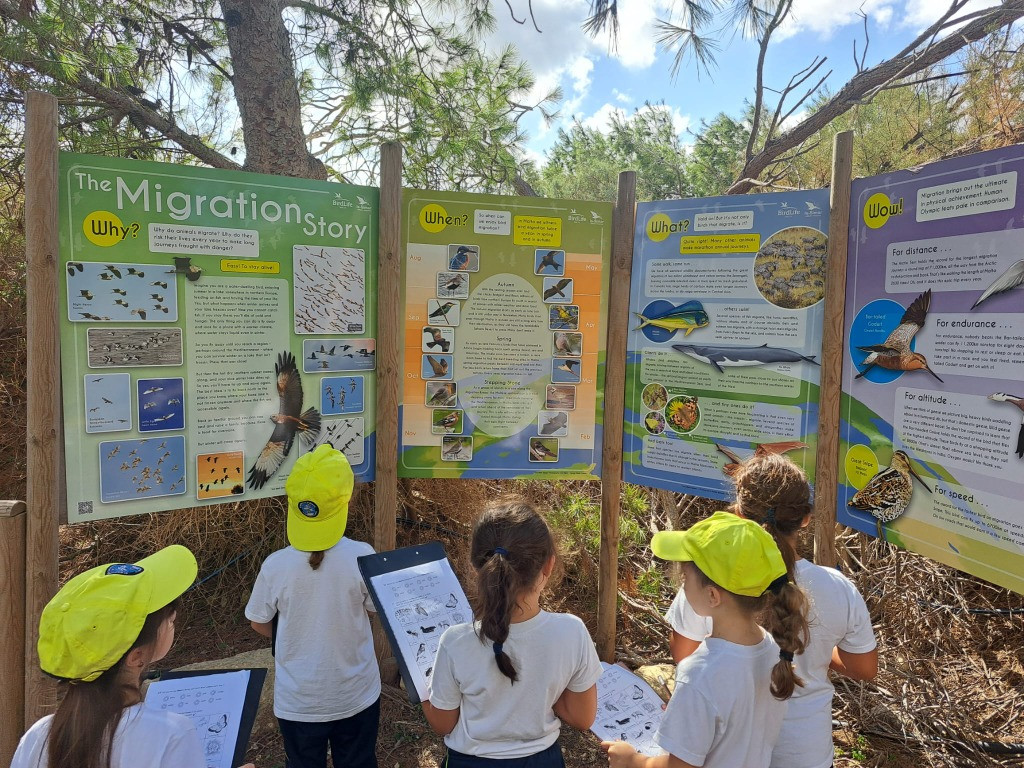
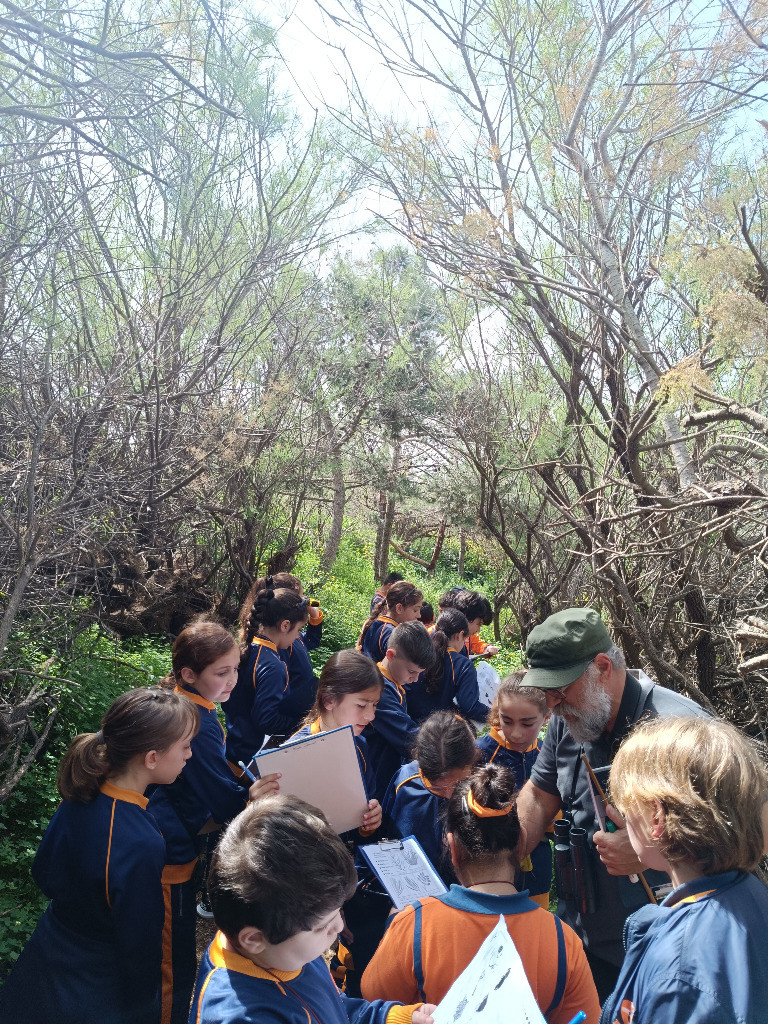
During the visit, take photos that you will later use to create displays.
5. Talk About the Living Things You Saw
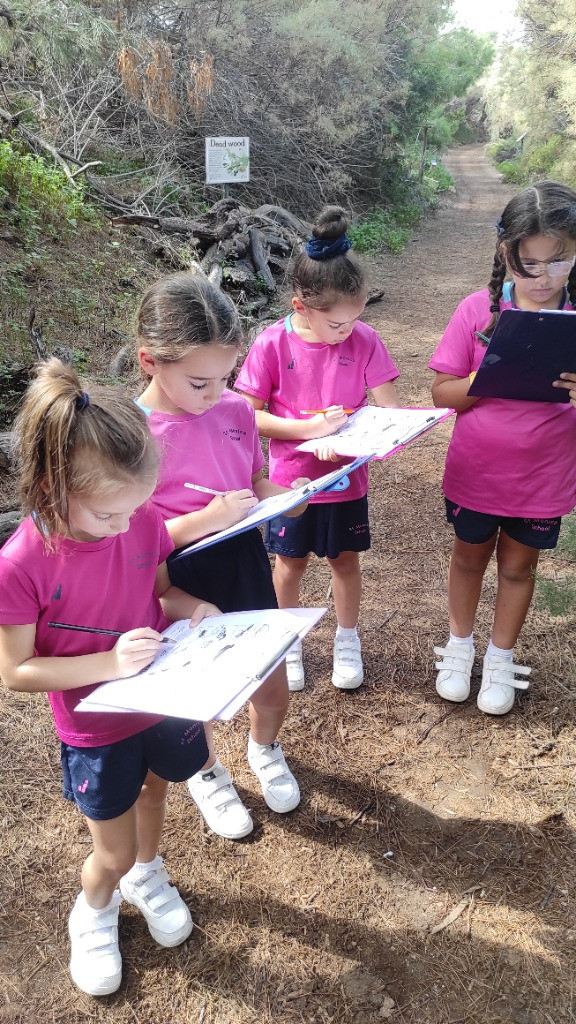
After the visit, divide children into groups and discuss the living things observed in the natural environment. Encourage them to explore the living things observed and the natural environment once again through photos e.g. the beauty of particular plants or animals they saw, colours and seasons, why nature reserves are important for animals.
6. Create Group Displays and Share Them with the School
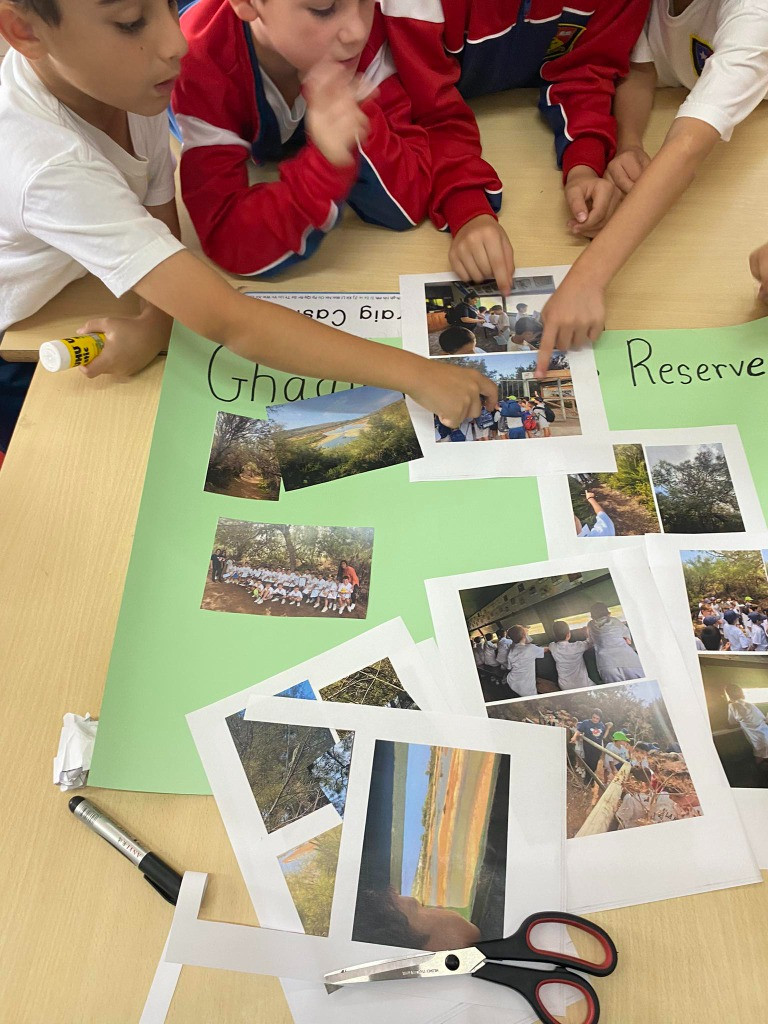
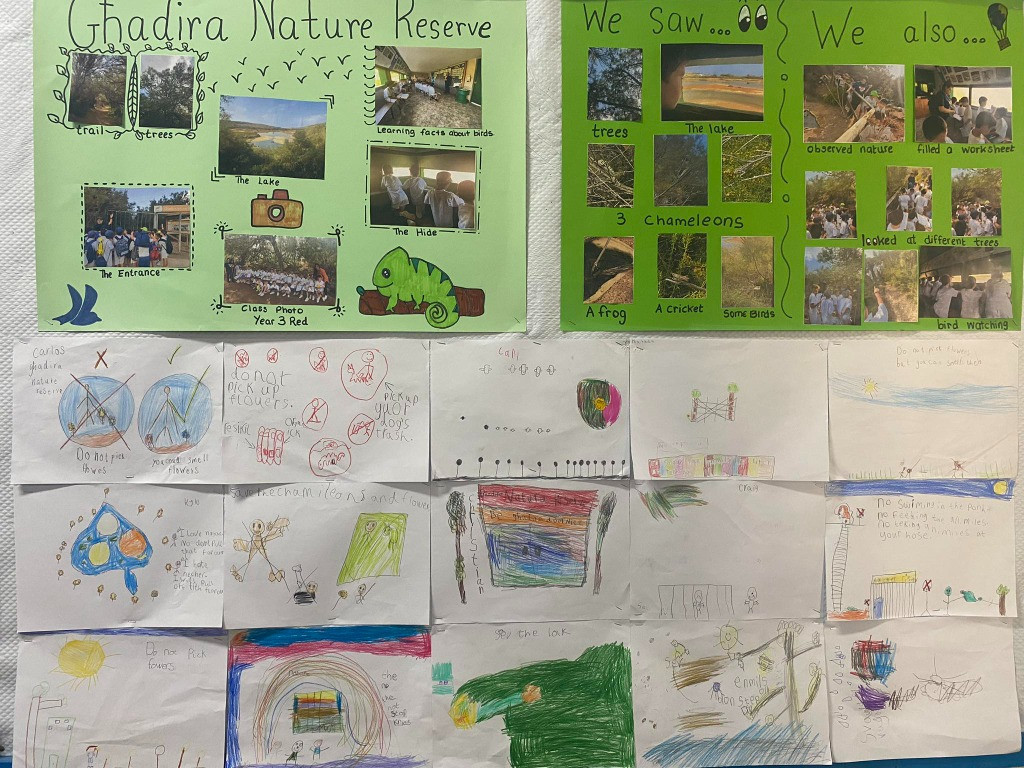
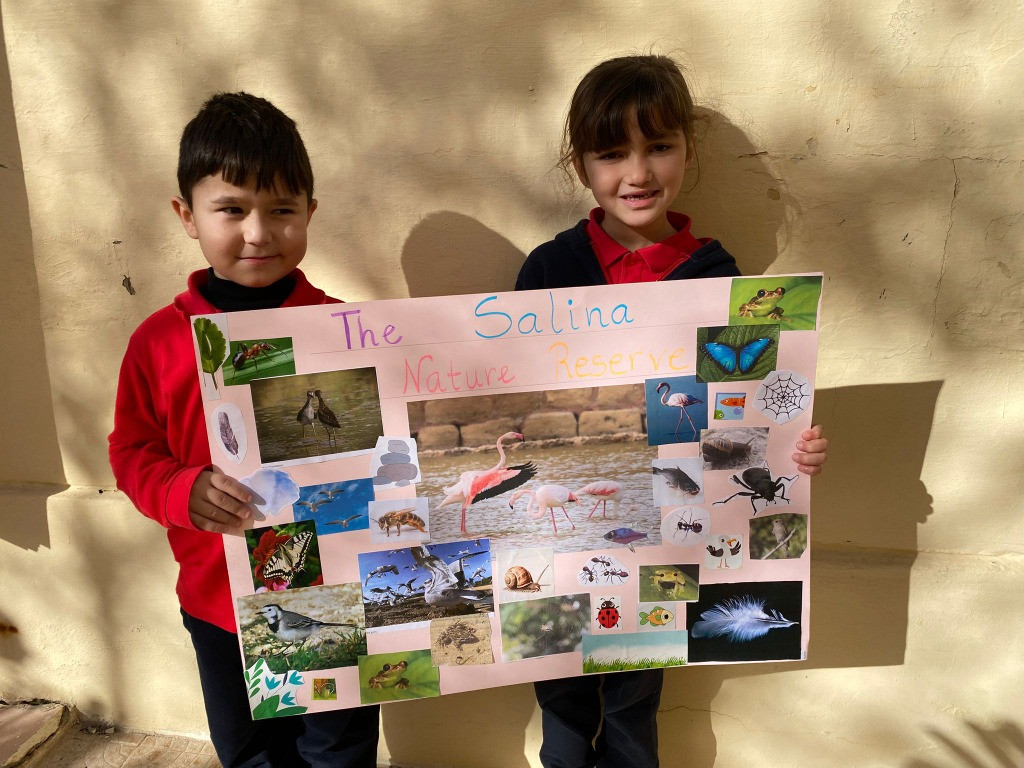
Set the groups to work using printouts of the photos you took. Each group creates a different display – you can use the “Free Standing Display” in the Downloadable Materials. A minimum of three modules are needed to qualify.
Ultimately, create a class or foyer display and share with the rest of the school during an assembly.
Resources & Equipment Needed
Year 3
- News Headlines about Habitats
- Camera
- Clipboard
- Checklist
- Pencil
Year 4
- Shoe box
- Camera
- Clipboard
- Checklist
- Pencil
- Colours
- Construction paper
- Craft supplies
You can download these instructions in PDF by clicking here: Generate PDF
Downloadable Material
Free standing display
PDF Document
Nature Watch Activity Sheet
PDF Document
Make sure to take photos of:
1. Nature reserve visit2. Children building display/diorama
3. The displays
Activity Photos for Inspiration
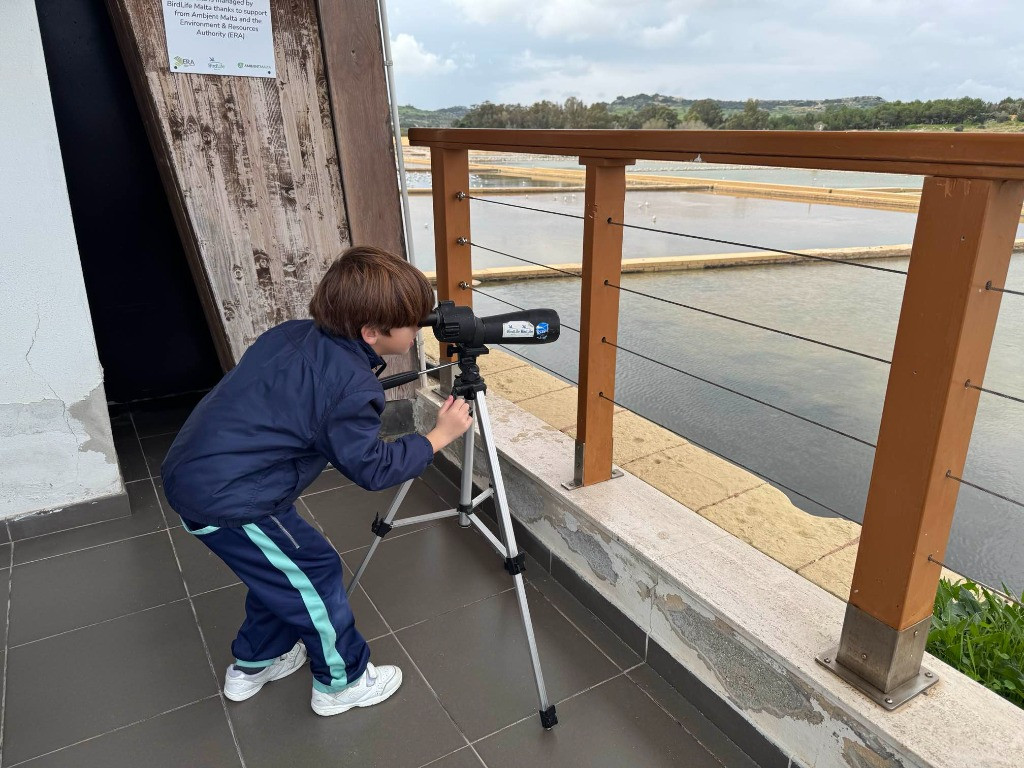
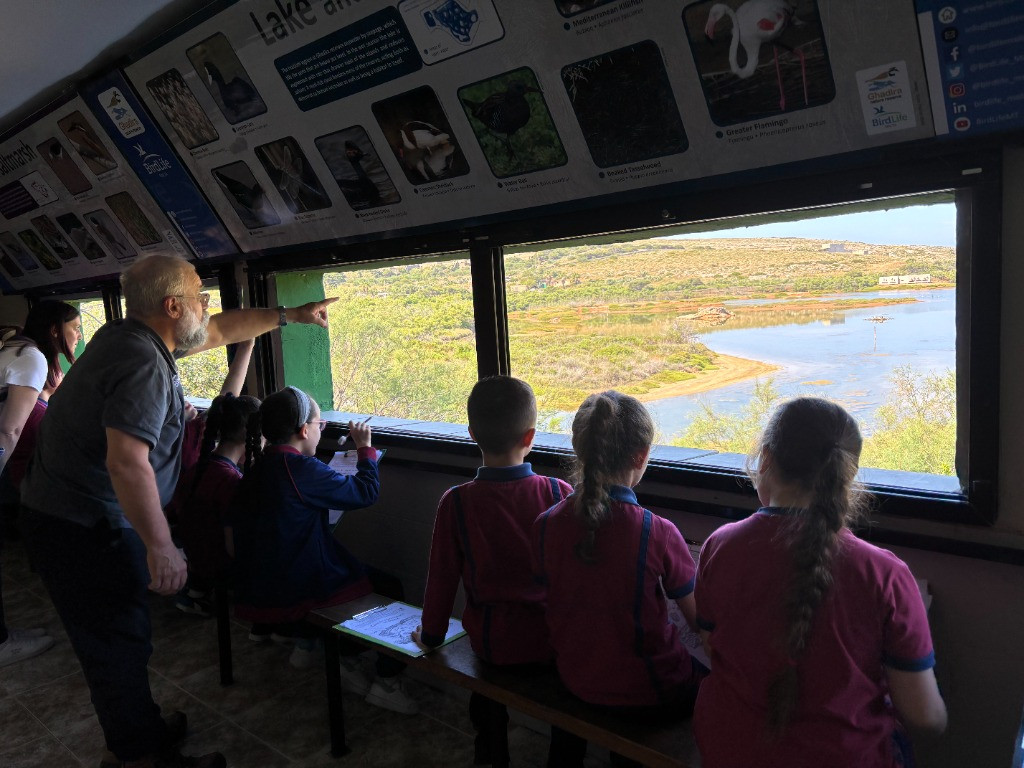
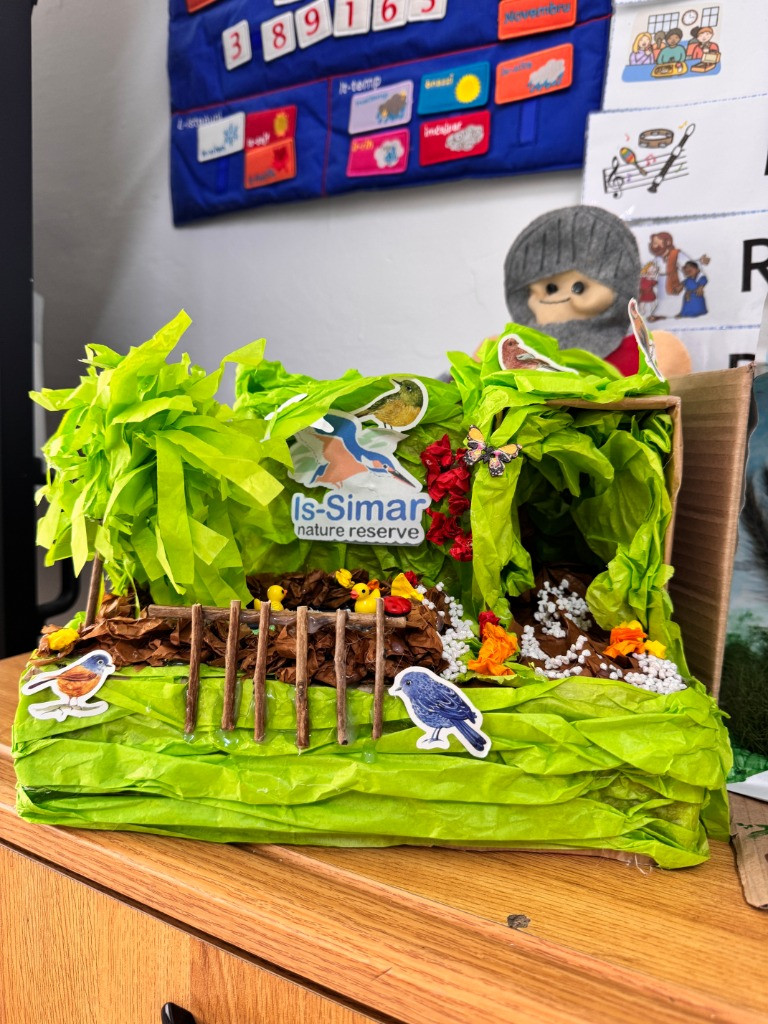
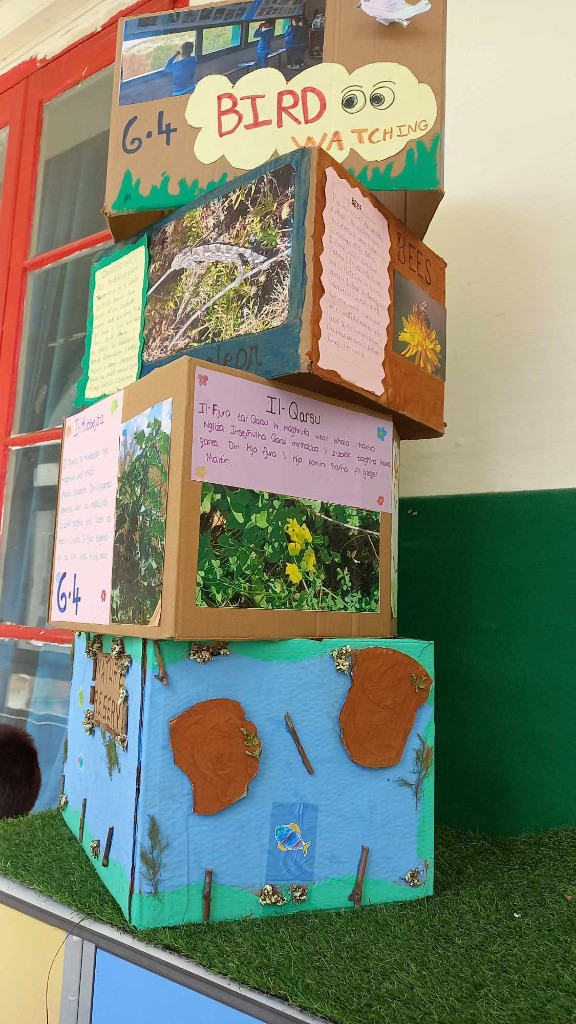
Learning Outcomes & Curriculum Integration
Subjects
- - Science
- - Social Studies
- - Language
Learning Outcomes
YEAR 3
Science
3.2.4 I can name and describe the purpose of the basic parts of a plant.
3.2.5 I can put the different stages in the life of a flowering plant in order.
1.7.1 I can identify water, air, rocks, soil and life forms as the constituents of our planet.
1.7.4 I can talk about various weather conditions experienced in Malta throughout the year.
1.7.5 I am able to distinguish between the four seasons with regards to weather conditions.
Social Studies
Ġ3.1.1 Kapaċi nidentifika x'inhu ambjent naturali jew mhux naturali u nirriċerka riżorsi sempliċi dwar il-kampanja Maltija.
Ġ3.1.2 Kapaċi nidentifika xi wħud mil-karatteristiċi ewlenin tal-kampanja Maltija.
Ġ3.1.3 Kapaċi nagħraf u nsemmi xi eżempji tal-flora u l-fawna tal-kampanja Maltija.
Ġ3.1.4 Kapaċi nifhem u napprezza l-importanza tal-ilma biex il-kampanja tibqa’ ħajja.
Ġ3.1.5 Kapaċi noħolq kodiċi sempliċi ta’ mġieba għal meta nżuru l-kampanja Maltija.
YEAR 4
Science
PLANT LIFE
4.2.1 I can classify plants as living things and can describe some of the things that plants do related to their vital functions, namely roots absorb water, stem holds plant up, leaves make food for the plant, petals attract insects.
4.2.2 I can understand that plants that are important to human beings for various purposes, namely plants give us good air, they provide shade, they are habitats for other living things, some plants are edible.
4.2.3 I can care for a growing plant, ensuring it gets all the elements needed for growth, namely water, air and light.
OUR SENSES
4.4.1 I can give examples of how we use our five senses to gather information about the world around us.
FOOD CHAINS
4.5.2 I can explain how energy is transferred from plants or animals to other animals in a food chain.
THE WEATHER
4.7.1 I can observe and record changes in the weather.
HABITATS
4.7.3 I can identify some common plants in my local environment, namely the Carob tree (Ħarruba), Aleppo Pine (siġra taż-Żnuber), Thyme (Sagħtar), Crown Daisy (Lellux), Cape Sorrel (Qarsu), Fennel (Bużbież), Borage (Fidloqqom), Common and Greater Snapdragon (Papoċċi Ħamra).
4.7.4 I can identify and classify a range of plants in my local area through a fieldwork activity.
Social Studies
ĠEOGRAFIJA
Ġ4.2.4 Kapaċi nesplora kif ikun it-temp tipiku ta’ staġuni differenti fil-Gżejjer Maltin.
Ġ4.2.5 Kapaċi nirriċerka l-effetti tat-temp estrem fuq l-ambjent u fuqna l-bnedmin.
Ġ4.3.1Kapaċi nosserva, permezz ta’ stampi u ritratti, il-bidliet staġjonali fuq il-pajsaġġ tagħna u dak barra minn Malta.
Ġ4.3.4 Kapaċi nżomm ġurnal mifrux fuq sebat ijiem u fih inniżżel l-osservazzjonijiet tiegħi.
Languages
English
LAP 5.4 I can write for a stated purpose, using grammar and sentence starters to suit my needs – With the support of modelled sentence patterns, I can complete simple sentences for a stated purpose (e.g. to write to describe, to write headlines).
LAP 5.5 I can write and speak effectively for a range of purposes.
Malti
TAĦDIT
9 Nieħu sehem f'diskussjoni fuq temi familjari u nipparteċipa mhux biss bil-kliem imma wkoll b’għadd ta’ sinjali, ġesti nonverbali, u enfasi fuq il-kliem ċavetta.
10 Fit-taħdit ma' sħabi, inkun konxju tad-diversità lingwistika, ngħidu aħna, ta' xi kliem li nużaw fil-lingwi ewlenin li nafu (fosthom il-lingwi tal-istudenti barranin) biex infissru l-istess oġġett.
SMIGĦ
8 Nifhem mistoqsijiet sempliċi li jsiruli u nweġibhom bil-fomm jew bil-kitba jew bil-ġesti.
Integration with Curriculum
Sorry but this is currently not available - will be added soon!