Pollinator Places 3
1. Watch Your Pollinator Station
Once your pollinator-friendly patch is planted, be patient! In the right season (check "Pollinator Plants" in Downloadable Materials for flowering times), the flowers will bloom, and your job is to watch who comes to your “Flower restaurant.”
2. Meet the Pollinators
Use the "Pollinators / Id-Dakkara" video (Downloadable Materials) to learn about different pollinators. Connect it to crafts, maths, languages, or other subjects as ideas emerge from the slideshow.
3. Record the visitors
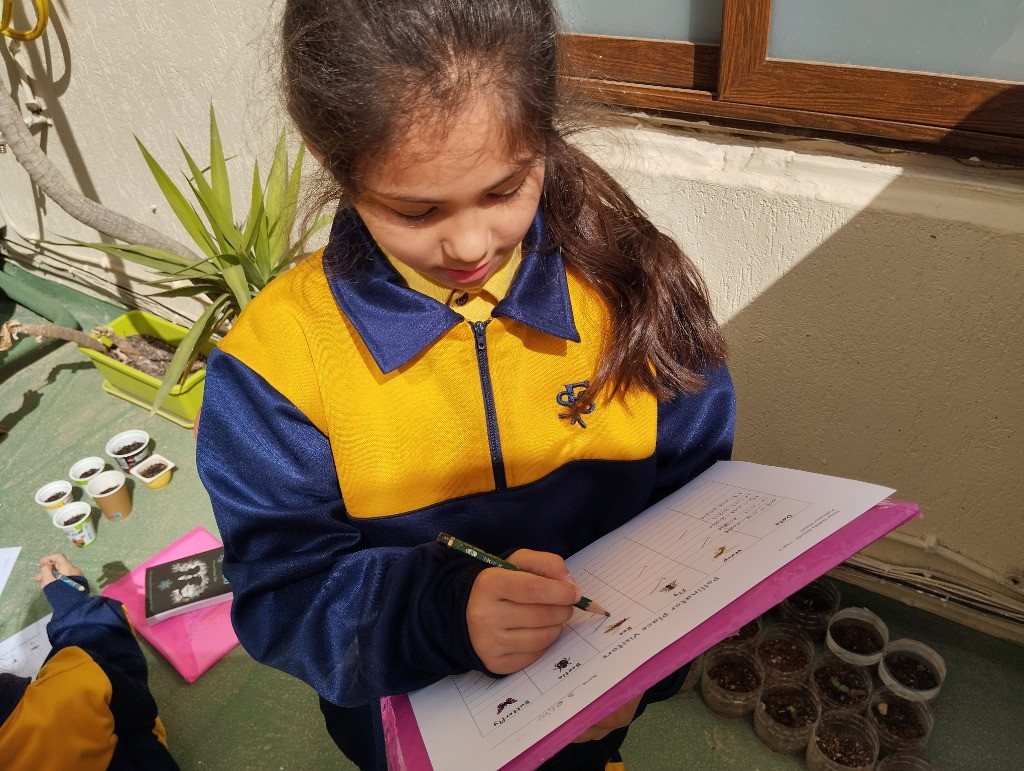
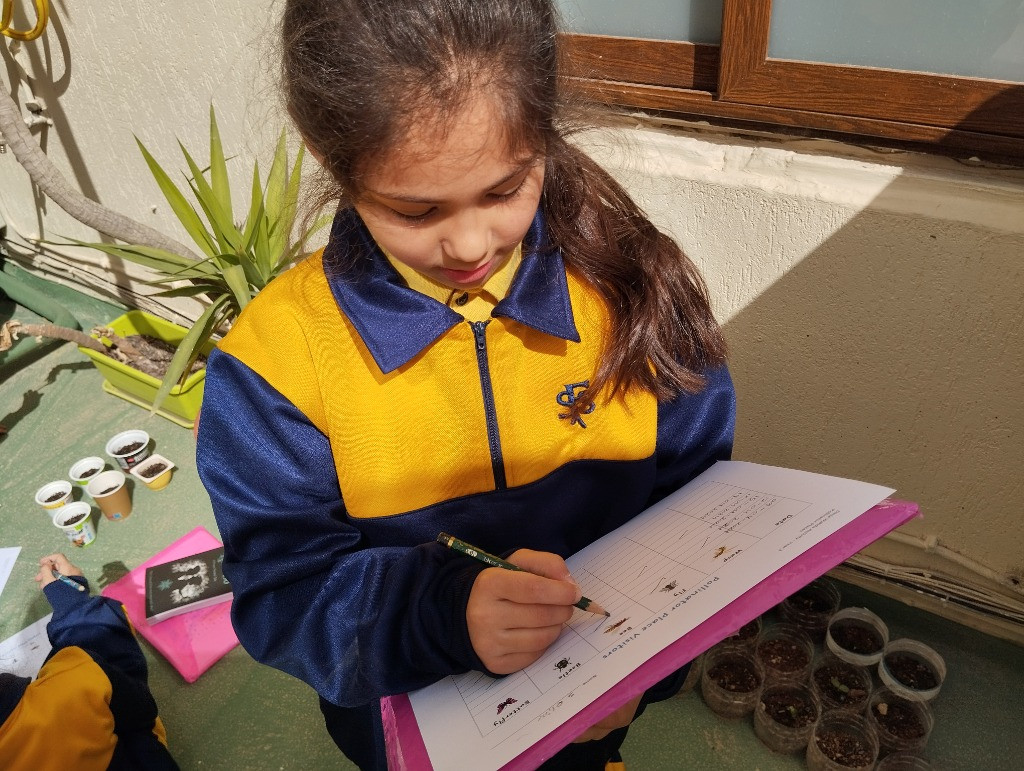
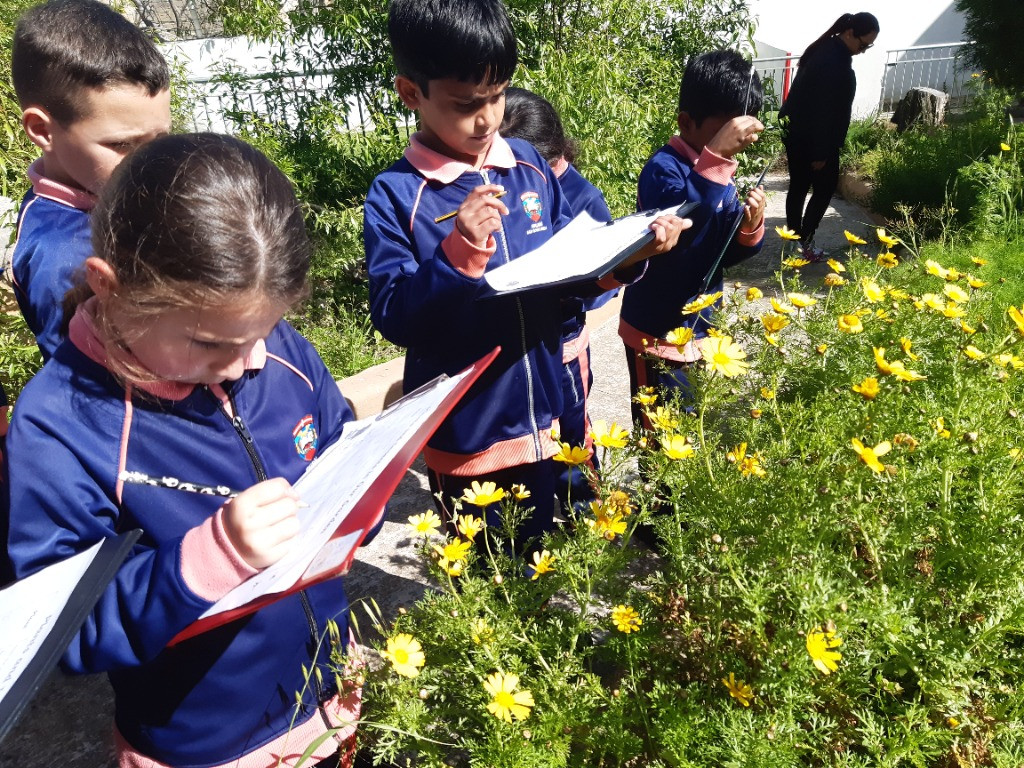
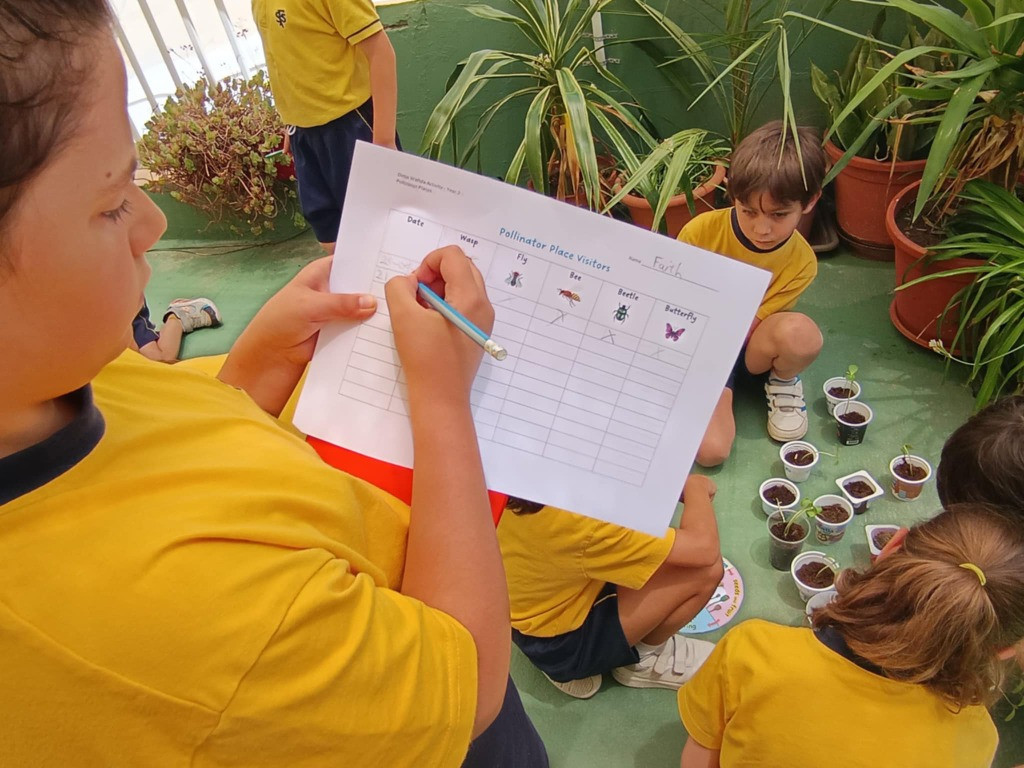
Keep track of which pollinators visit. Decide how: logbooks, drawings, or charts. Make it a science or art lesson. The key is that children feel proud they created a place that helps pollinators thrive.
Join the Pollinator Race (extra)
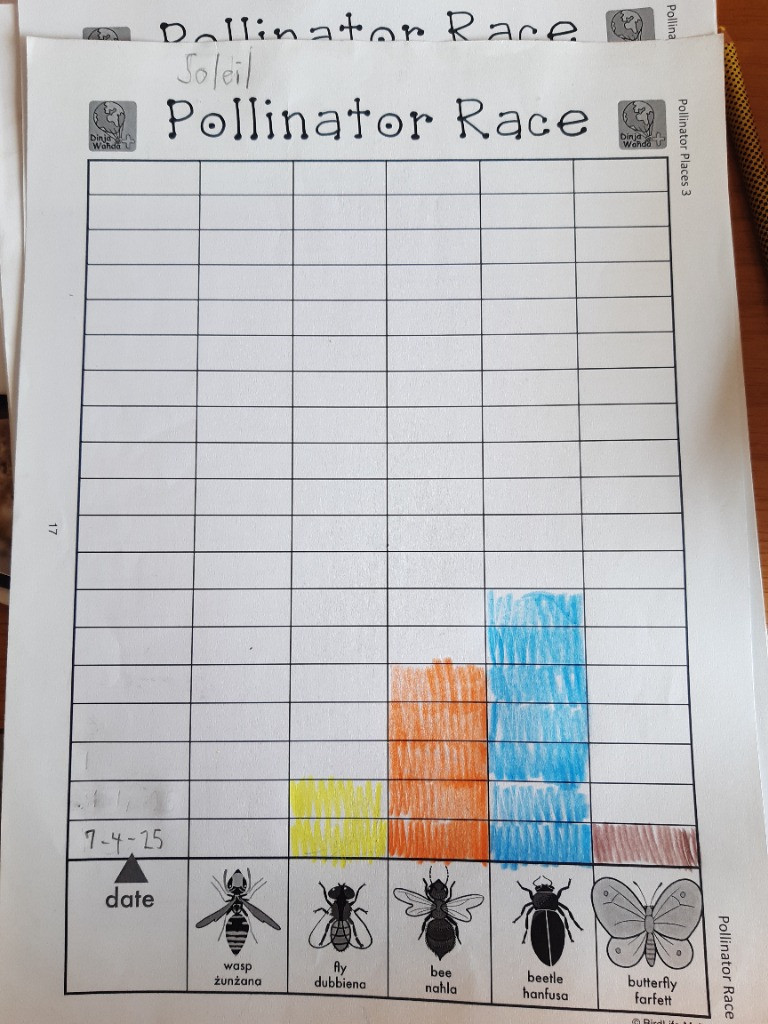
Optional: participate in the Dinja Waħda Pollinator Race! Use the "Pollinator Race sheet" (Downloadable Materials) to colour in boxes for each pollinator spotted. Take photos for identification and documentation.
Resources & Equipment Needed
- Logbook;
- Pen/pencil;
- Art and craft supplies (optional);
- Camera/phone (optional);
You can download these instructions in PDF by clicking here: Generate PDF
Downloadable Material
Activity Sheet_Pollinator places 3
PDF Document
Pollinator race sheet
PDF Document
Make sure to take photos of:
1. Children watching and recording pollinators2. The records
3. The Pollinator Race sheet, if applicable
Activity Photos for Inspiration
Learning Outcomes & Curriculum Integration
Subjects
- - Science
- - Il-Malti
- - Maths
- - English
Learning Outcomes
Students watch the video 'Id-dakkara' followed by a discussion.
Science
3.2.4 I can name and describe the purpose of the basic parts of a plant.
3.2.5 I can put the different stages in the life of a flowering plant in order.
Il-Malti
K7 Inkompli u nimla l-vojt f'taqbiliet sempliċi ta’ strofa waħda jew tnejn fuq suġġetti li jinteressawni bħall-ambjent ta' madwari u fuq l-ħlejjaq li nħobb u l-affarijiet li nħobb nagħmel.
Q1 Naqra l-kliem li qatt ma nkun iltqajt miegħu qabel billi ngħaqqad ħoss ma' ieħor, ngħaqqad u naqsam f'sillabi jew inxebbah il-forma tiegħu ma' ta' kliem ieħor li jixbhu.
Q4 Naf naqra u nifhem il-kliem l-aktar popolari bħall-ġranet tal-ġimgħa, ix-xhur, l-istaġuni, il-kuluri, l-annimali, l-elementi tad-dinja...
Q6 Nislet minn dak li nkun qrajt it-tagħrif li nkun neħtieġ bħal meta naqra istruzzjonijiet jew direzzjonijiet li jkun hemm fi ktieb ta’ riċetti jew manwal tal-logħob.
S2 Naqbad u nifhem xi punti speċifiċi / dettalji meta xi ħadd jitkellem miegħi jew ma' oħrajn fi djalogu jew diskursata qasira.
S4 Nifhem istruzzjonijiet sempliċi fl-istruttura u fil-vokabularju li jagħtini xi ħadd fil-ħajja tiegħi ta' kuljum, fosthom bl-Imperattiv fil-pożittiv u n-negattiv bħal Kul għal qalbek, Taqsamx it-triq.
S8 Nisma' rakkont qasir u nuri x'fhimt bil-fomm, jew bil-ġesti.
S11 Nifhem mistoqsijiet sempliċi li jsiruli u nweġibhom bil-fomm jew bil-kitba.
T3 Inwieġeb mistoqsijiet biex nuri li fhimt dak li smajt kemm minn testi fattwali kif ukoll dawk letterarji u nitkellem dwarhom.
T8 Nieħu sehem f’diskussjonijiet fi gruppi żgħar, bl-għajnuna tal-għalliema, fejn nesprimi l-fehmiet u l-ħsus tiegħi bi struttura grammatikali u sintattika tajba, skont il-firxa tal-vokabularju tal-età tiegħi u b'intonazzjoni tajba fejn meħtieġ.
T9 Nisma' l-fehmiet tal-oħrajn filwaqt li nistenna u meta jmissni nagħti tiegħi.
Students keep record of the pollinators visiting their station using the pollinator race sheet.
Maths
5.7.1 I can collect, sort, organise (including tally) and classify data in a table.
English
LS 5.10 I can listen to others, letting them put forward their point of view and take turns in a discussion and/or conversation.
LS 5.15 I can convey a message accurately and clearly.
Integration with Curriculum
Instructions for students (video and discussion):
1. After watching the video, answer some questions related to it. This can be used as an assessment.
2. Put the life cycle of a flower in order by matching the picture cards with the corresponding sentence cards.
3. Fill in the missing words of a taqbila related to what you learnt in the video.
Instructions for students (pollinator race):
1. Use the data collected and reorganise it as a tally chart or a frequency table.
2. Answer questions related to the data recorded and use the information to make sense of your findings.