Nature's Voice 3
1. A springtime concert
This activity works best in spring, when nature is bursting with life. The children will listen closely, feel the rhythm of the outdoors, and create their own natural symphony. If your school has a green space big enough to feel surrounded by nature, use it. If not, organise a woodland visit to Buskett or any other natural area.
2. Building the tools of discovery
Prepare by making simple stethoscopes (see https://www.wikihow.com/Make-a-Homemade-Stethoscope) or by buying children’s stethoscopes. These will be useful in many learning adventures! First, help the children explore their own heartbeat with the stethoscopes, reminding them that we are alive thanks to the steady ‘voice’ of our hearts. Create excitement for the upcoming outing by adding a touch of mystery:
“We’re going to listen to voices most people never hear…”
3. The listening journey begins
On arrival, guide the children quietly into the trees, choose an area with tall trunks (at least 60 cm wide). Along the walk, stop often to tune in:
“What did you hear?”
Compare natural versus man-made sounds, loud versus soft. Through this, the children will discover that if we make too much noise, nature’s voices fade away.
4. Echoes of the wild
Speaking softly, help the children ‘tune’ their ears. Each time they hear a bird, insect, or rustle of leaves, invite them to gently imitate the sound. Slowly, the group becomes part of the orchestra of the forest.
5. The secret voice of trees
For the big finale, ask:
“Do you think trees are alive?” (They should recall this from earlier Dinja Waħda activities.)
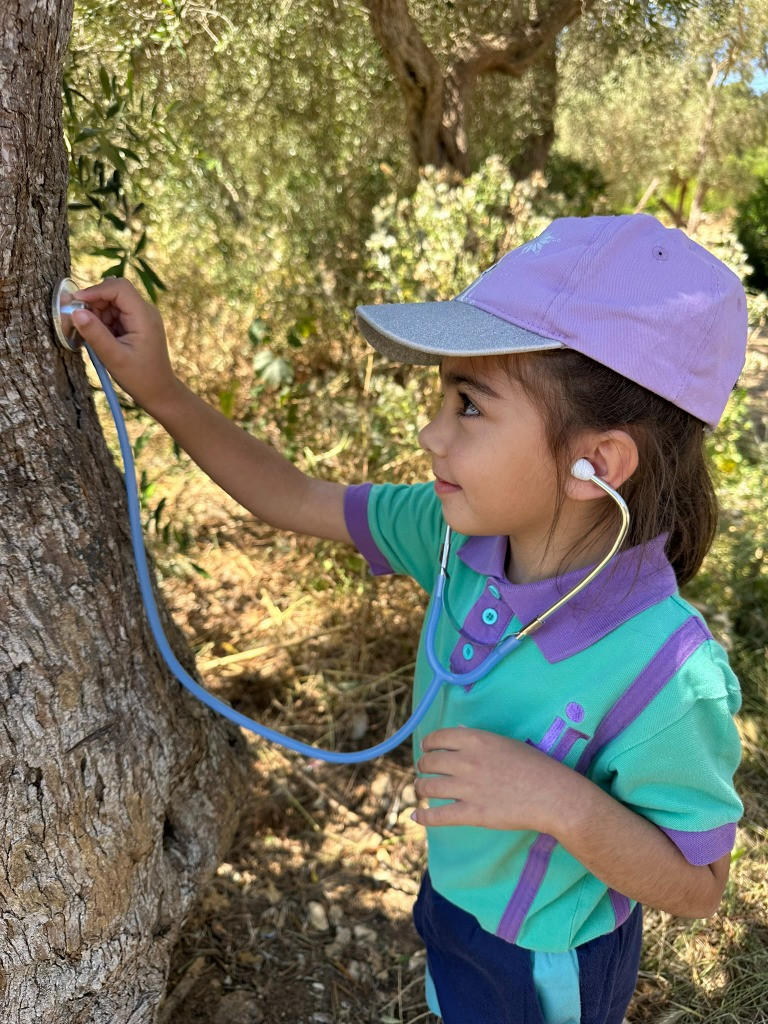
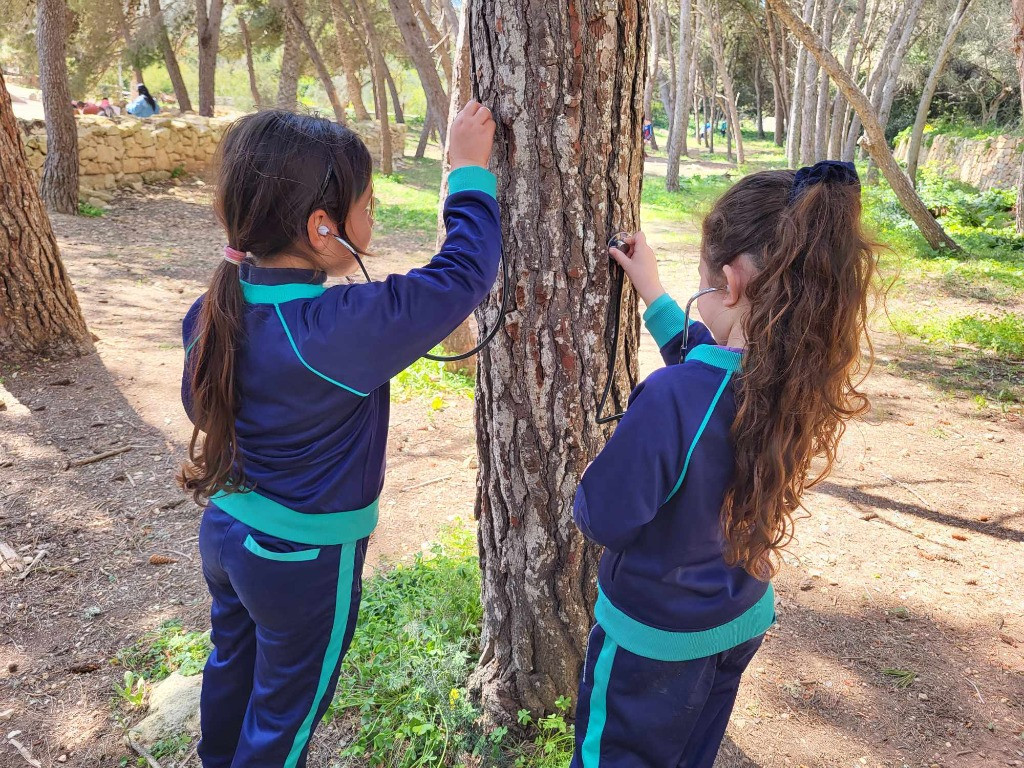
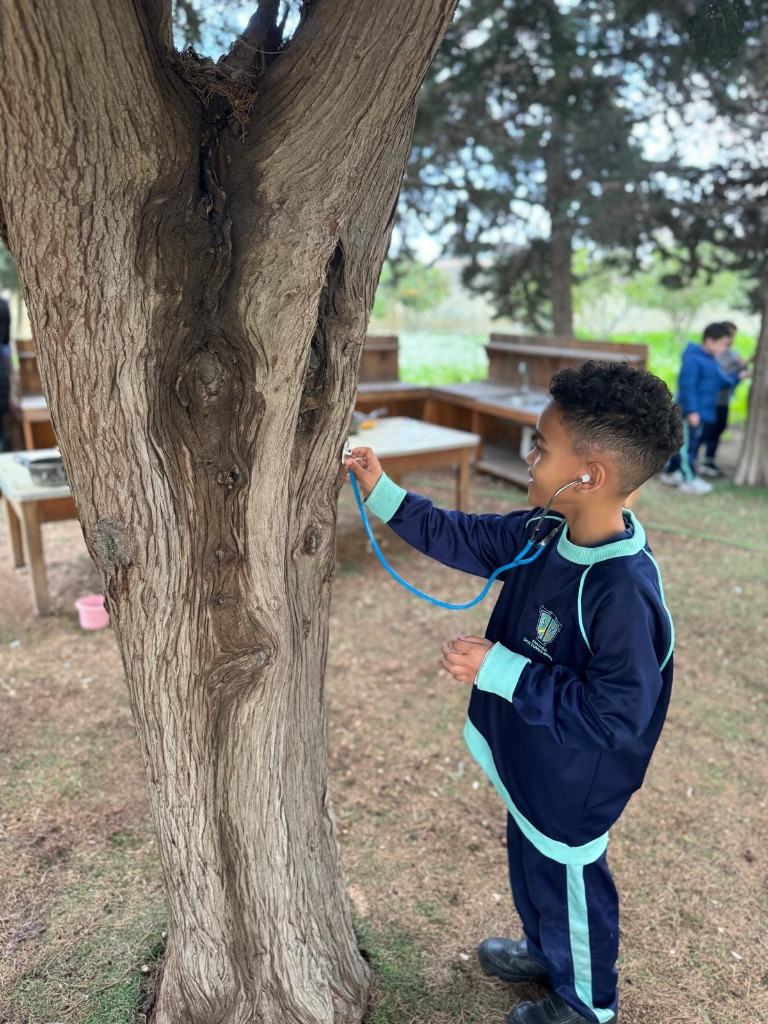
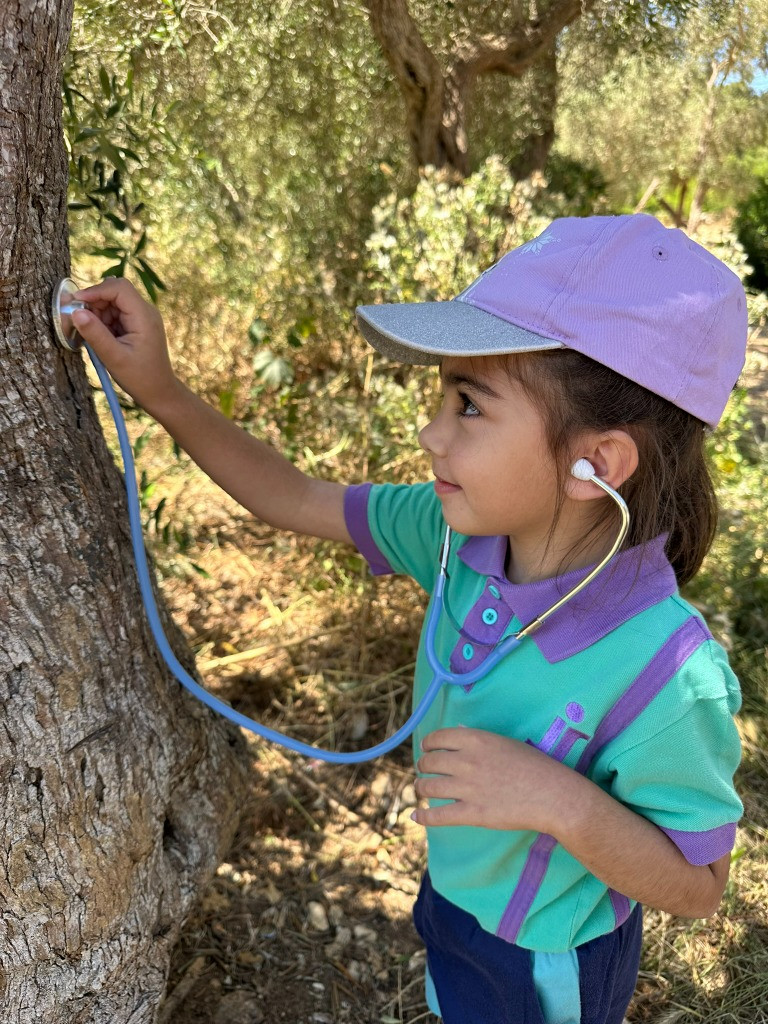
Discuss how we know people are alive, then reveal that trees also have a secret voice. Hand out the stethoscopes, encourage absolute silence, and let them press against a tree trunk. They may hear wood cracking, beetles moving, or even the steady rushing sound of sap rising to the leaves. Celebrate the discovery, remind them that very few people ever get to hear this, simply because they don’t know how to listen.
Resources & Equipment Needed
- Children’s stethoscopes (or DIY craft versions);
You can download these instructions in PDF by clicking here: Generate PDF
Downloadable Material
Activity Sheet_Nature's voice 3
PDF Document
Make sure to take photos of:
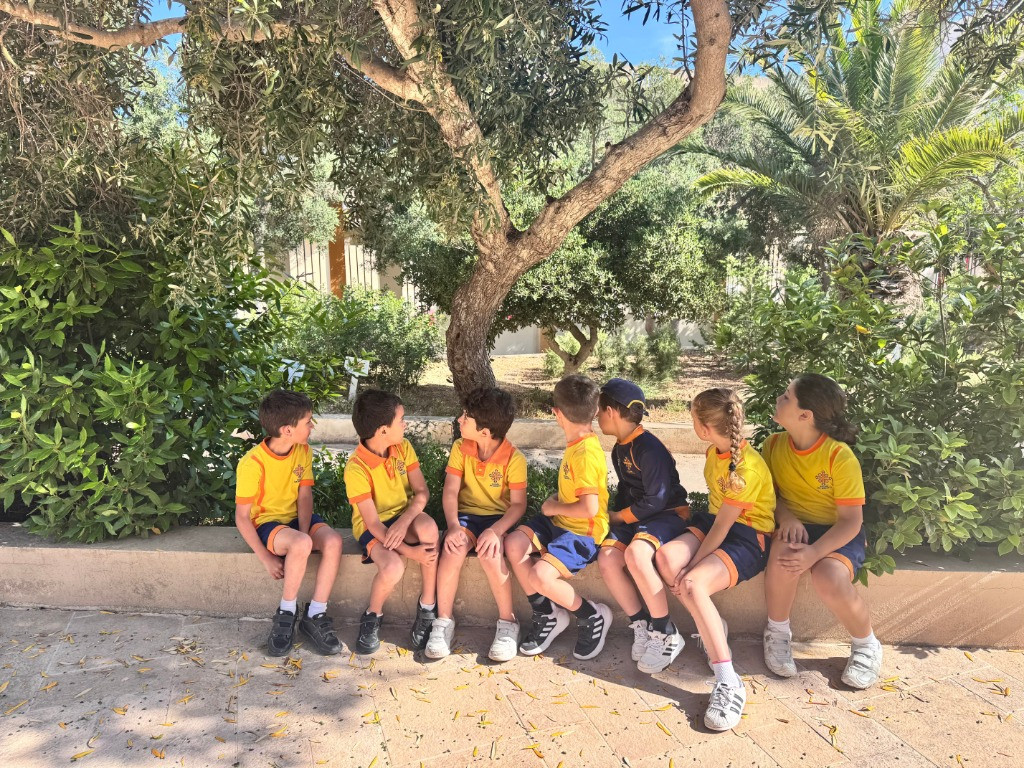
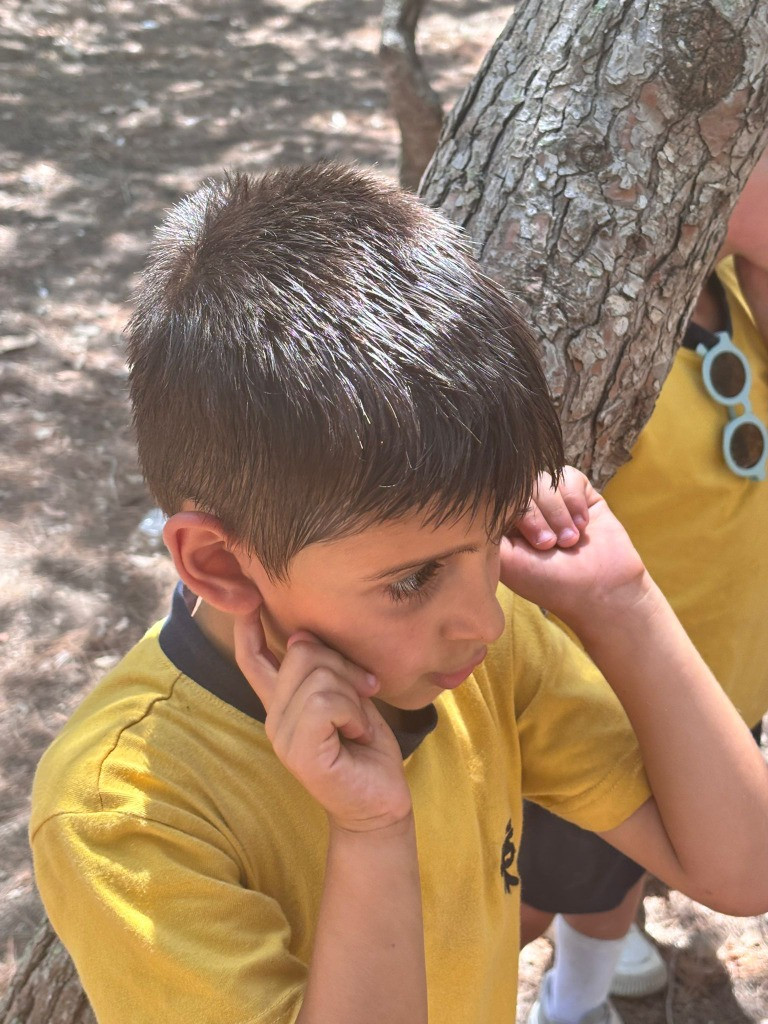
1. Photos of children using stethoscopes to listen to nature soundsActivity Photos for Inspiration
Learning Outcomes & Curriculum Integration
Subjects
- - Science
- - Technology in Education
Learning Outcomes
Science
- 2.3.1. Know that a habitat is the environment in which a plant or animal lives
- 2.1.1. Know that there are different kinds of animals
Technology in Education
- Designing Skills: 2.2.2 Develop their ideas through handling and using materials
- Making Skills: 2.3.1 Assemble / dissemble, join and combine materials and components
Integration with Curriculum
Sorry but this is currently not available - will be added soon!