Nature's Voice 1
1. Talking Pets: How Do They Speak?
Start a lively discussion about pets. Ask children with dogs, cats, or other animals how they know when their pet is hungry, happy, annoyed, or in pain. Invite them to imitate the sounds their pets make to show these emotions. Expand the discussion to other animals they know and enjoy imitating their voices together. Then ask:
Are animals like us? (linking the idea with how we use our own voices).
2. Guess That Animal!
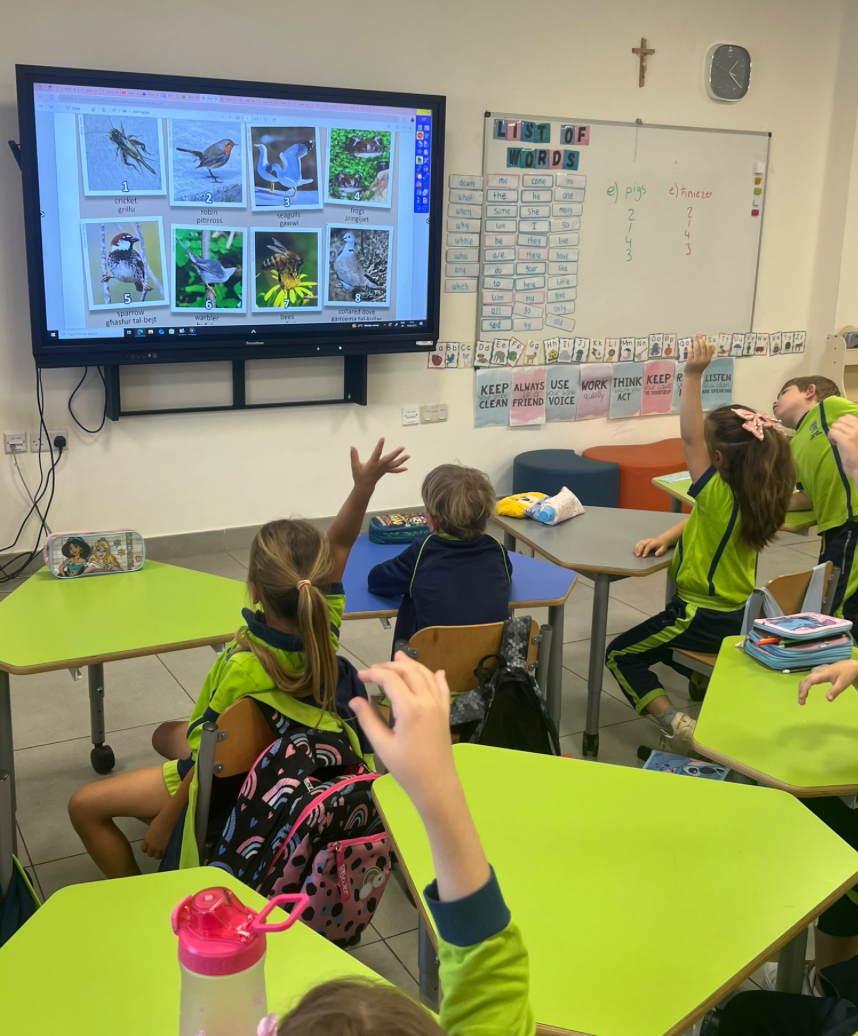
Play the "Animal Sounds" clips (Downloadable Materials). Let the children guess which animal is making the sound. Then invite them to imitate the calls, being as creative and descriptive as possible. Encourage them to use fun adjectives like “squeaky,” “raspy,” or “bouncy” to describe each sound.
3. Animal Music: Finding the Rhythm
Listen to the recordings again, this time focusing on patterns. For example:
A robin’s call tick-tick... ti-tick-tick-tick can become: “One-two... One-two-three-four.” A Sardinian warbler’s ch-ch-ch-ch-ch becomes: “One-two-three-four-five.”
Connect the sounds with number sequences and visual patterns to make it fun and cross-curricular.
4. Outdoor Birdsong Detectives
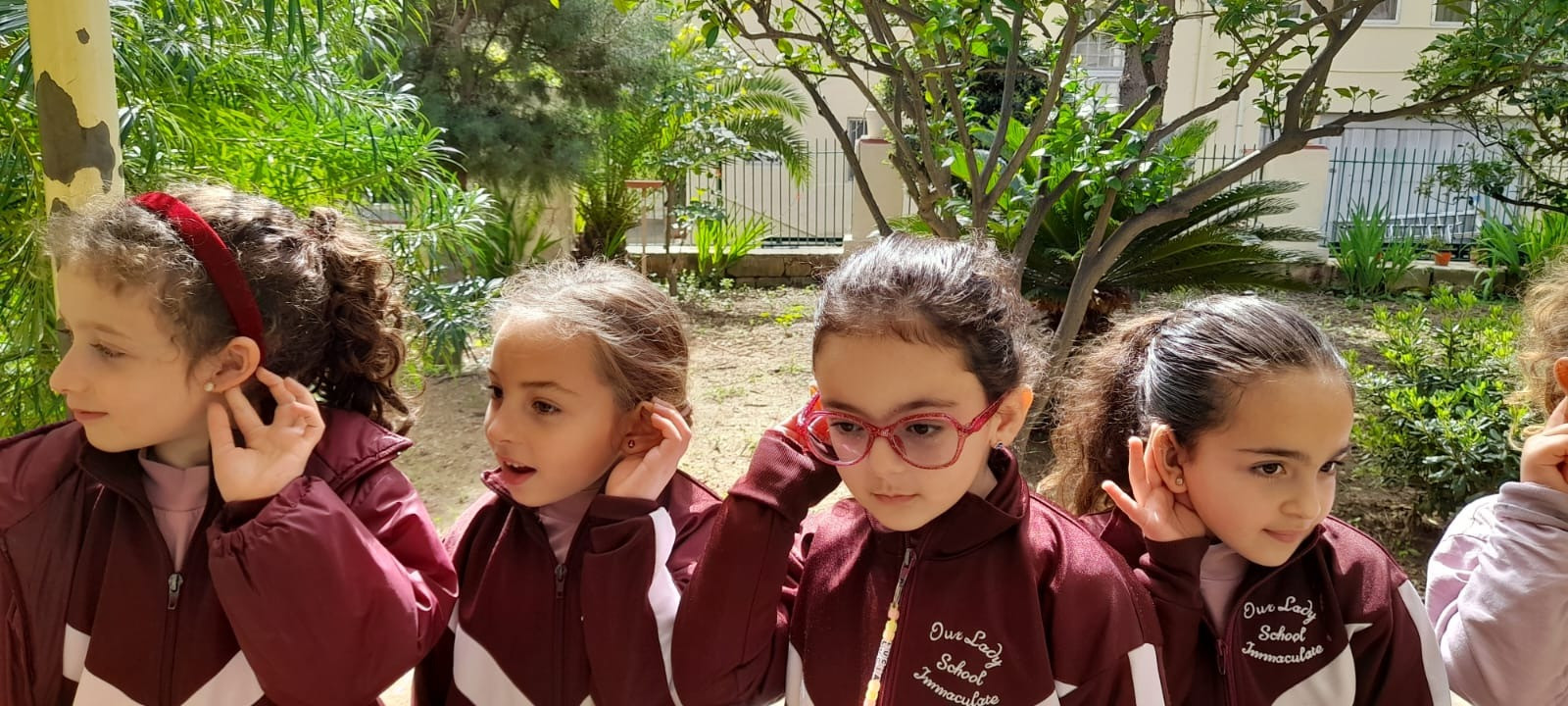
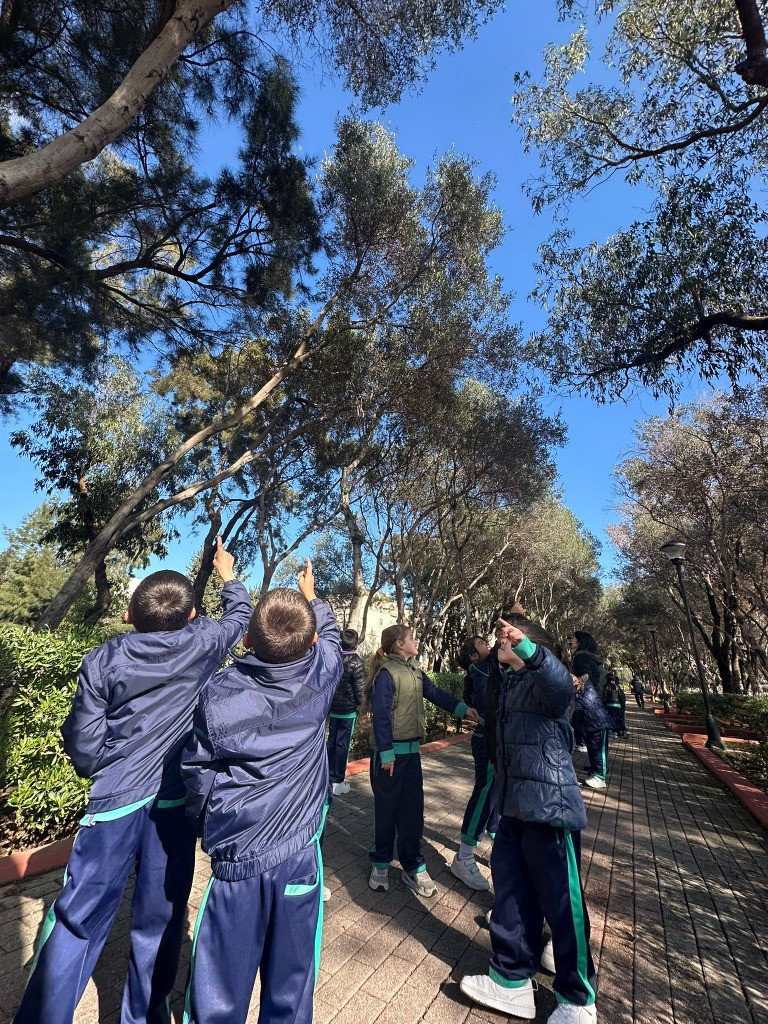
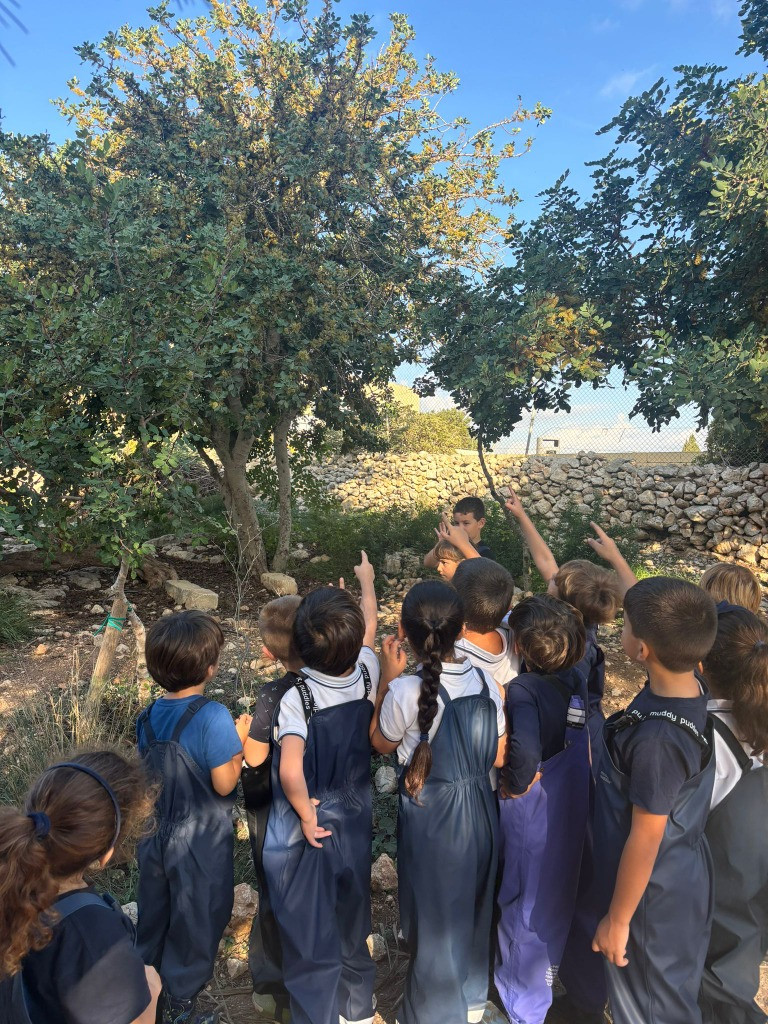
Head outside and tune into real bird voices. In winter, you might hear robins, Sardinian warblers, sparrows, or even white wagtails. Help children separate birdsong from background man-made noises. This awareness of other living beings helps nurture empathy and respect for nature.
5. Sparrow Choir: Voices Together
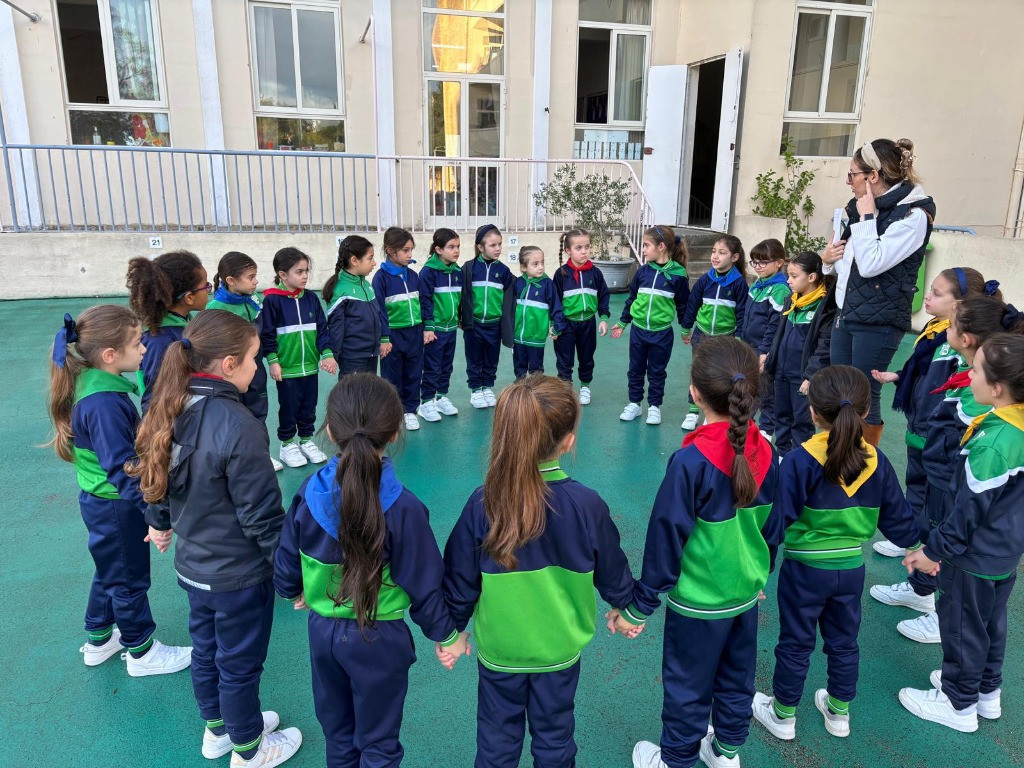
Show how sparrows sound different when alone compared to when they gather in groups. Start with one child repeating a sound, then add more until the whole class becomes a “sparrow choir.” For homework, use the “Where sparrows go to sleep” map (Downloadable Materials) to check if there’s a nearby roost. Encourage children to visit with their parents between 4:30–5:30pm and describe what they hear as sparrows gather.
6. Sparrow Talk Challenge
After a week or two, play the "Sparrow" sound clip (Downloadable Materials) in class. Ask the children to guess which sound is the one of sparrows roosting, testing their listening skills and memory.
Resources & Equipment Needed
Nothing extra needed.
You can download these instructions in PDF by clicking here: Generate PDF
Downloadable Material
Animal Sounds 1 - Cricket
MP3 Sound File
Animal Sounds 2 - Robin
MP3 Sound File
Animal Sounds 3 - Seagull
MP3 Sound File
Animal Sounds 4 - Frog
MP3 Sound File
Animal Sounds 5 - Sparrow
MP3 Sound File
Animal Sounds 6 - Warbler
MP3 Sound File
Animal Sounds 7 - Bees
MP3 Sound File
Animal Sounds 8 - Collared Dove
MP3 Sound File
Activity Sheet_Nature's voice 1
PDF Document
Animal sounds
PDF Document
Where sparrows go to sleep
PDF Document
Make sure to take photos of:
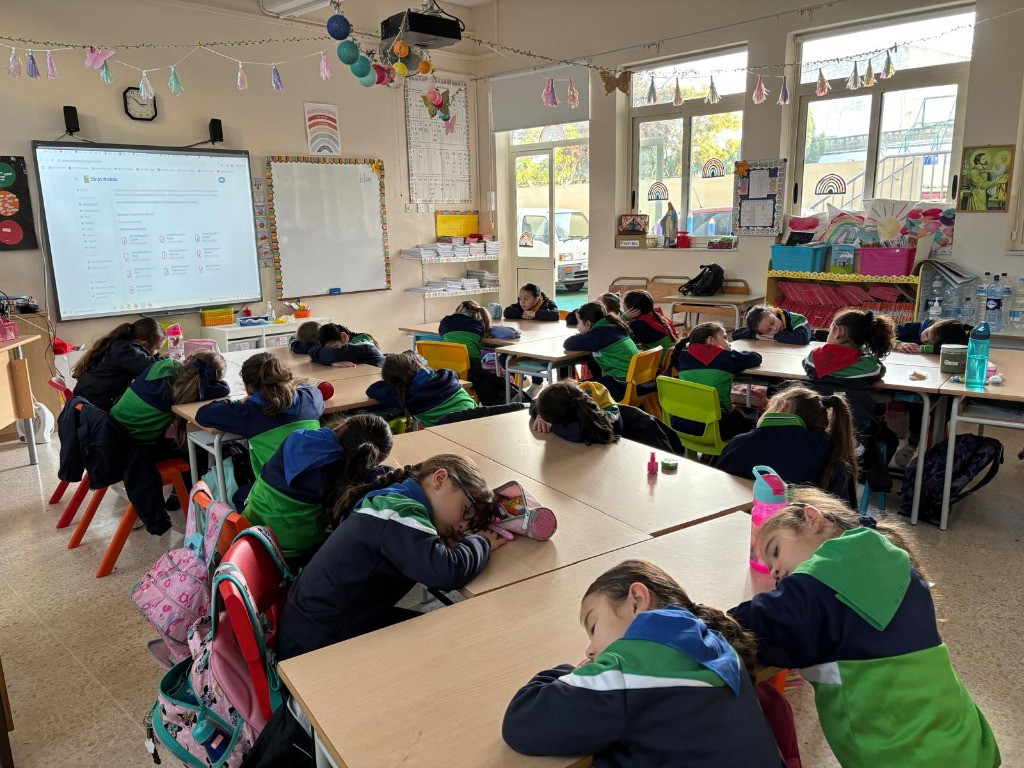
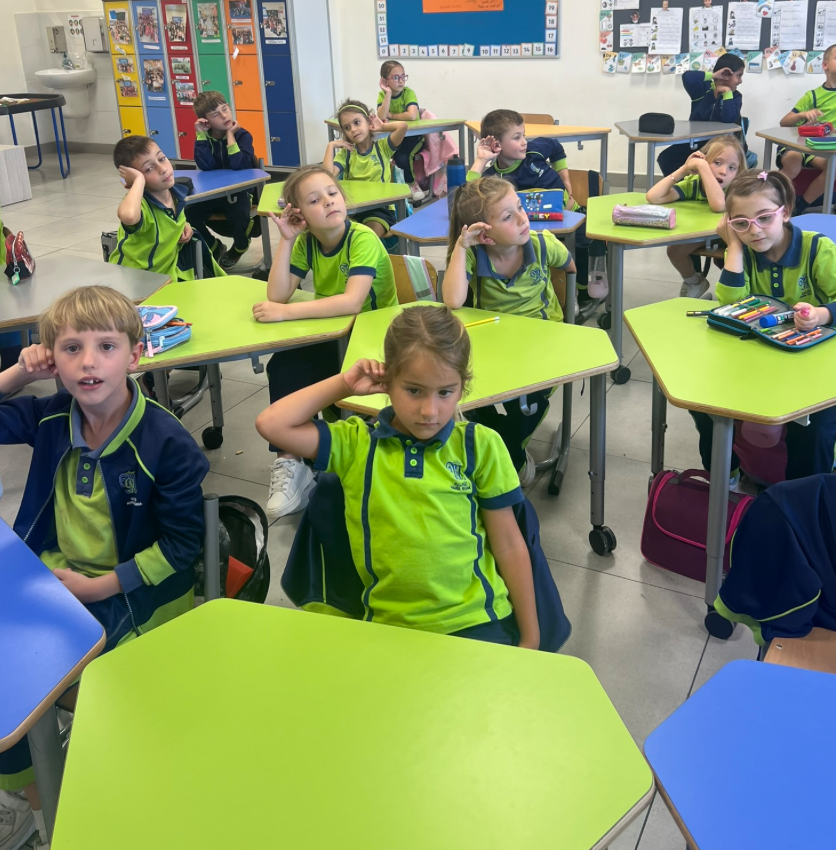
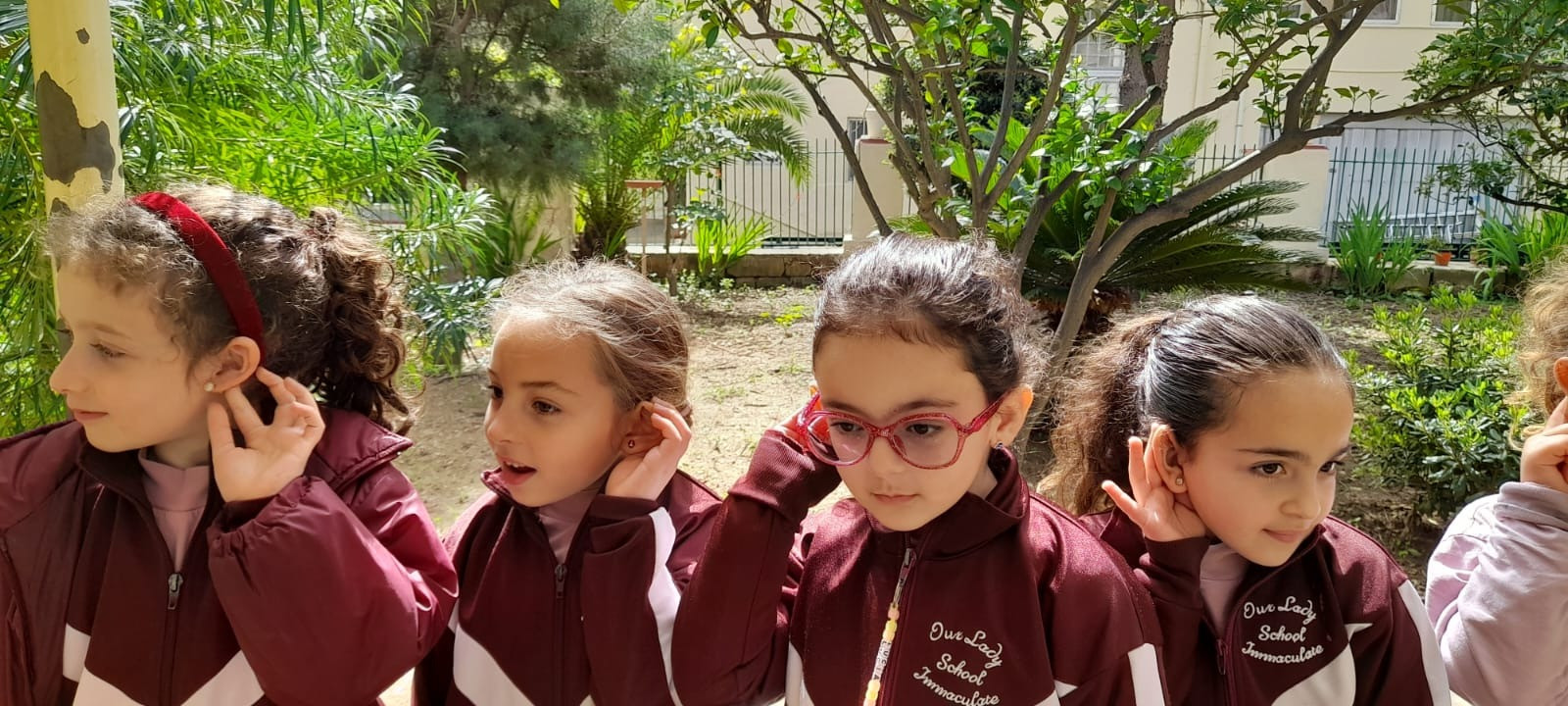
1. Listening and reacting to sounds in class2. Listening to bird sound outside
Activity Photos for Inspiration
Learning Outcomes & Curriculum Integration
Subjects
- - English
- - Science, Music & Rhythm, Art, PSCD
Learning Outcomes
Subjects
- English
- Science
- Music & Rhythm
- Art
- PSCD
Learning Outcomes
2.1.1. Listen and view attentively with increasing concentration and enjoyment
2.1.2. Demonstrate understanding by responding non-verbally or verbally
Integration with Curriculum
Language Arts
- Discussion and Imitation: Use the initial discussion about pets and animal sounds as an opportunity to build vocabulary and communication skills. Encourage children to describe their pets and the sounds they make using descriptive words and adjectives. For example, use words like "happy," "loud," "soft," or "annoyed" to describe how pets express themselves.
- Storytelling: Have the children create simple stories about their pets or imaginary animals, incorporating the sounds and emotions discussed. They can act out their stories, using the sounds and movements of animals.
2. Science
- Understanding Animals: Discuss the different types of animals and their characteristics. Talk about why animals make specific sounds and what those sounds might mean in the animal world. This can lead to a basic understanding of animal behavior and communication.
- Sound Exploration: Introduce concepts of sound production and perception. Discuss how animals use sounds to communicate, find mates, or mark territory. You can show how animals’ vocalizations vary by species and purpose.
3. Music and Rhythm
- Animal Sounds and Rhythm: Focus on the rhythmic aspect of animal sounds. Play the sound clips and ask the children to clap or tap along with the rhythm they hear. This helps develop their sense of rhythm and pattern recognition.
- Creative Expression: Allow the children to create their own rhythms using different animal sounds. Provide simple instruments or use their voices to experiment with rhythm patterns.
4. Mathematics
- Pattern Recognition: Use the rhythmic patterns of animal sounds to introduce concepts of sequencing and patterning. Show how patterns repeat in nature and in sounds. For example, count and create patterns with the robin’s call and other animal sounds.
- Number Sequences: Relate the rhythm of sounds to counting and number sequences. For example, translate the pattern of a robin’s call into numerical sequences and have the children count along.
5. Art
- Sound Representation: Have children draw or create visual art that represents the sounds and patterns they have learned. They could draw pictures of the animals or create patterns based on the rhythms they’ve heard.
- Creative Movement: Let the children use movement to express the patterns and rhythms of animal sounds. For example, they can create dance movements that mimic the rhythmic calls of different animals.
6. Social and Emotional Development
- Empathy and Understanding: Discuss how pets and animals have feelings and how understanding these feelings can help us be better caregivers. This encourages empathy and emotional awareness.
- Cooperative Activities: Engage the children in group activities where they have to work together to imitate animal sounds, create patterns, or tell stories. This promotes teamwork and social interaction.