Sparrow in a Spot 2
1. Observing Sparrow Behaviour
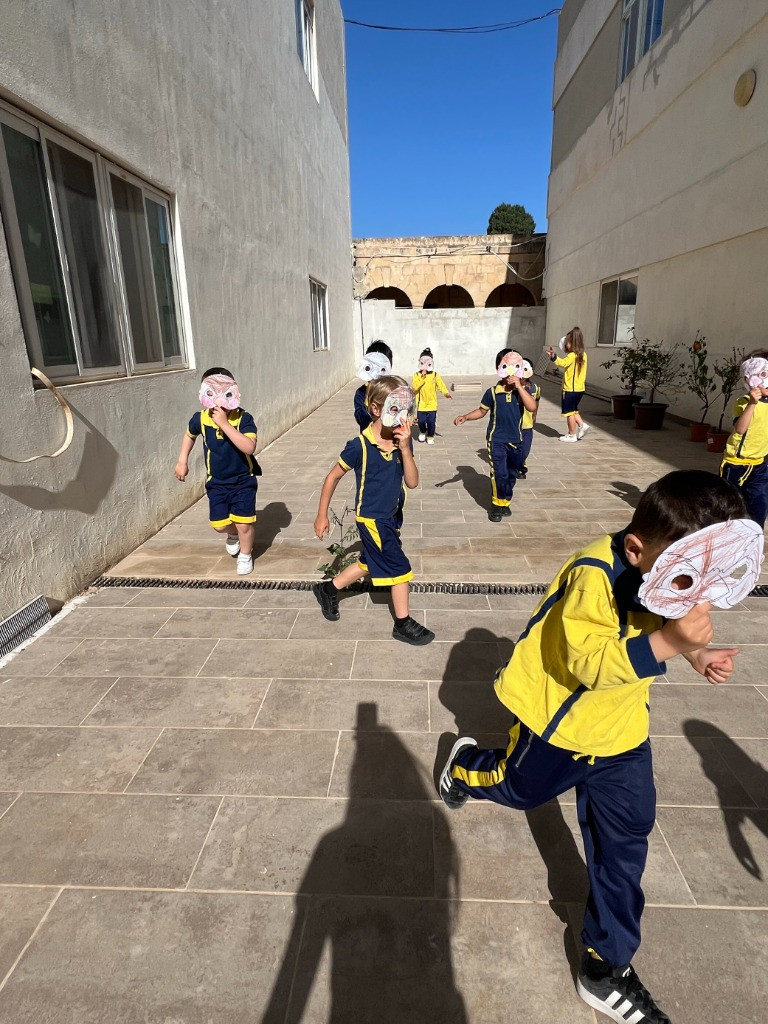
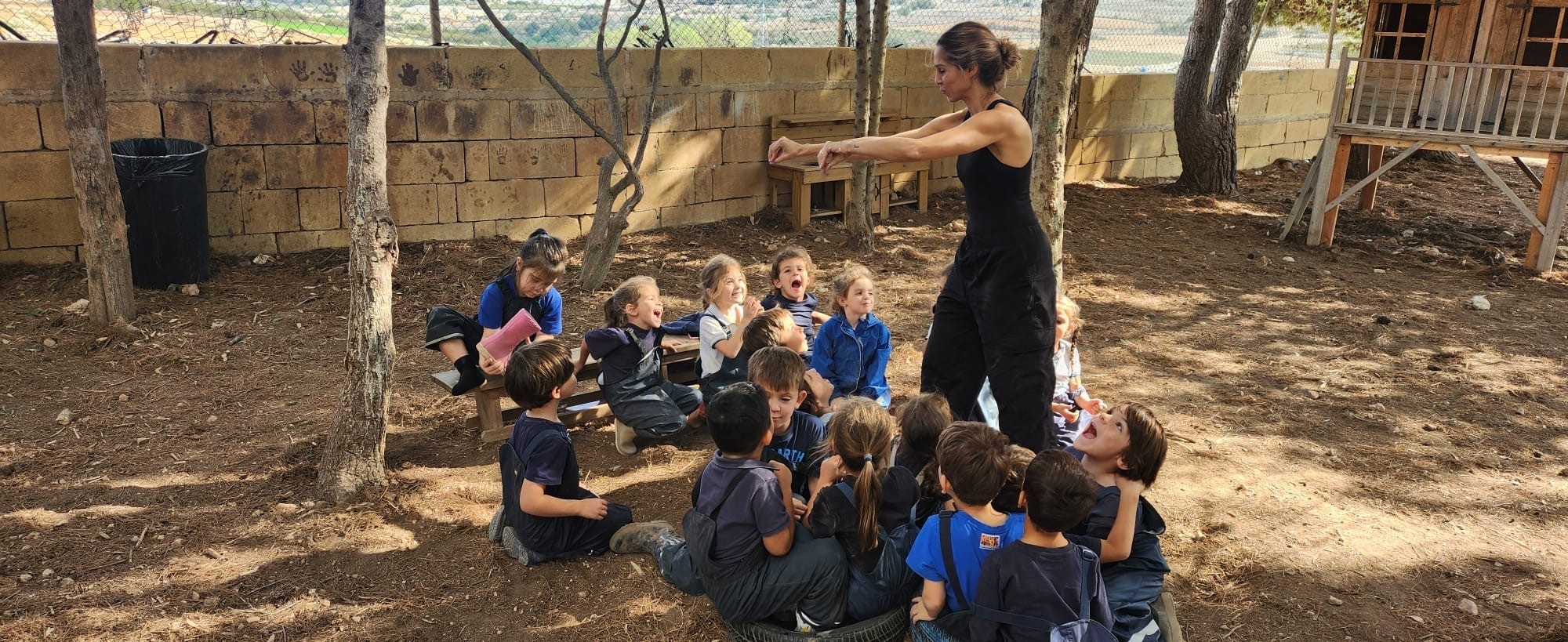
Visit your sparrow-spotting place regularly and take note of the birds’ behaviour, whether it’s something you’ve seen before or something new. Link these observations with different subjects and skills. To help children connect with sparrows, imitate their actions together: hopping, chirping, or flapping wings (arms). While hopping, count to 10 and notice how difficult it feels, then compare this with how effortlessly sparrows hop for much longer.
2. Feeding Sparrows
Choose a safe ledge or windowsill to leave small food offerings for sparrows; make sure to use only bird seed or other foods safe for birds. Observe sparrows as they come to feed, especially in colder months when insects are scarce. Discuss how they use their beaks and compare this with our soft lips and hard teeth.
3. Listening & Chirping
Carry out a listening activity. Pay attention to the pattern of sparrow chirps and invite the children to imitate the sounds and rhythms.
4. Keeping a Sparrow Diary
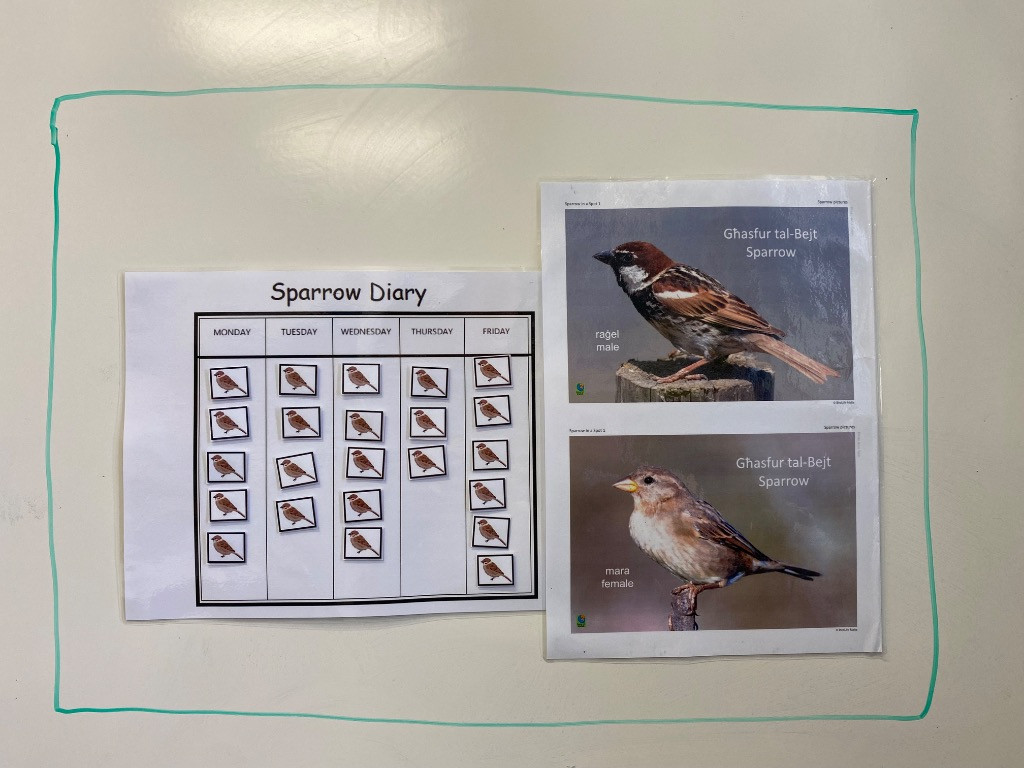
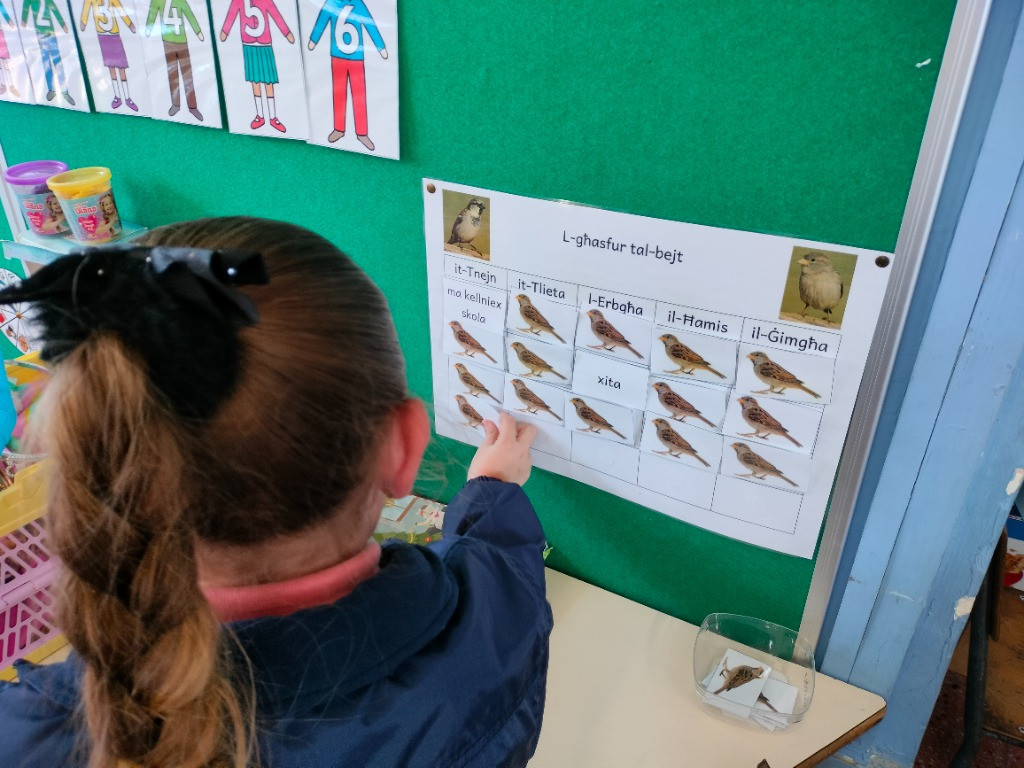
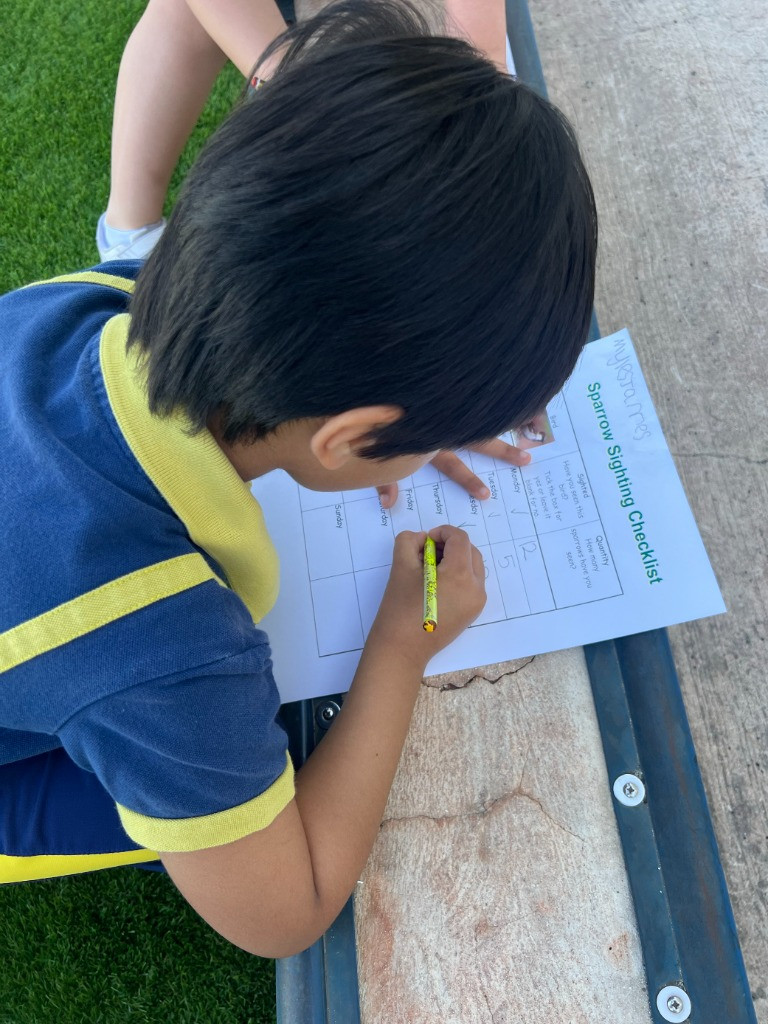
Start a classroom “Sparrow Diary.” Decide together how to record your observations, it could be a weekly chart like the Soil Magic Chart. Create a special symbol for sparrows and add notes or drawings each week. Use imagination to connect sparrows to children’s own lives. Remind them that sparrows are one of our most common birds yet often overlooked despite living so close to us.
Resources & Equipment Needed
- Food offerings (safe for sparrows, e.g., birdseeds);
- Notebook, chart, or large sheet for diary;
- Drawing and colouring materials.
You can download these instructions in PDF by clicking here: Generate PDF
Downloadable Material
Activity Sheet_Sparrow in a spot 2
PDF Document
Make sure to take photos of:
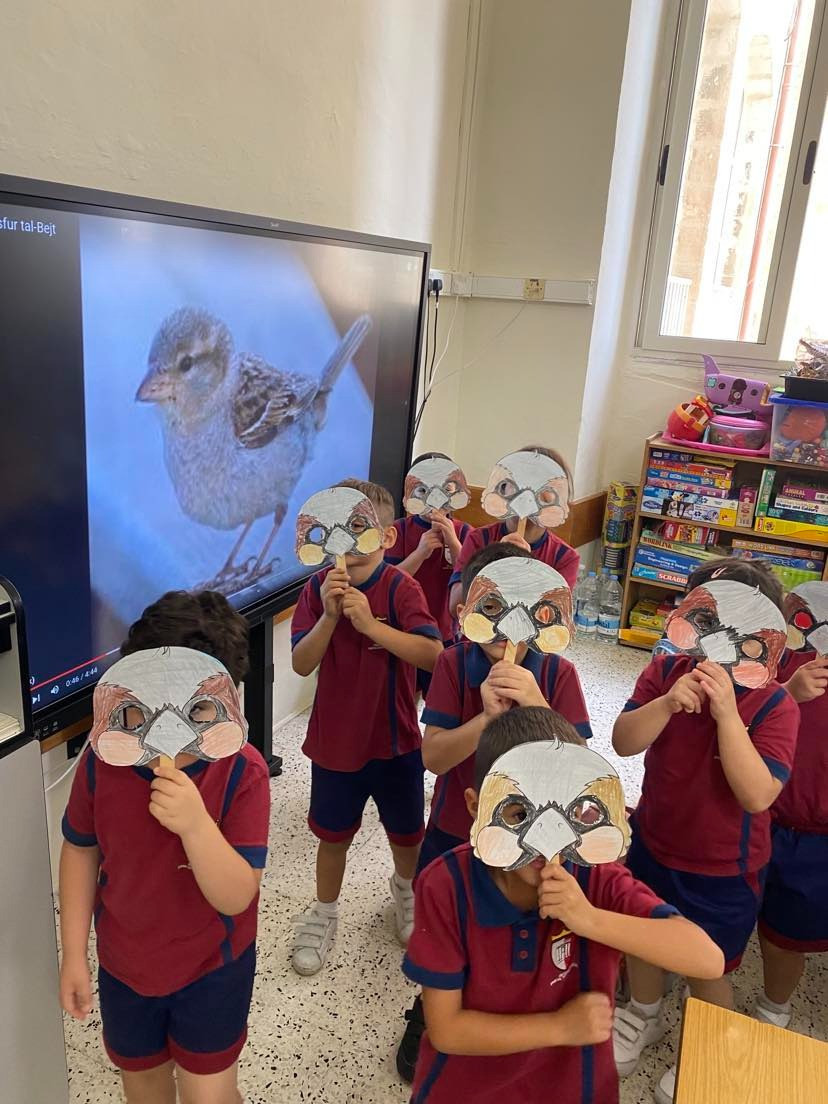
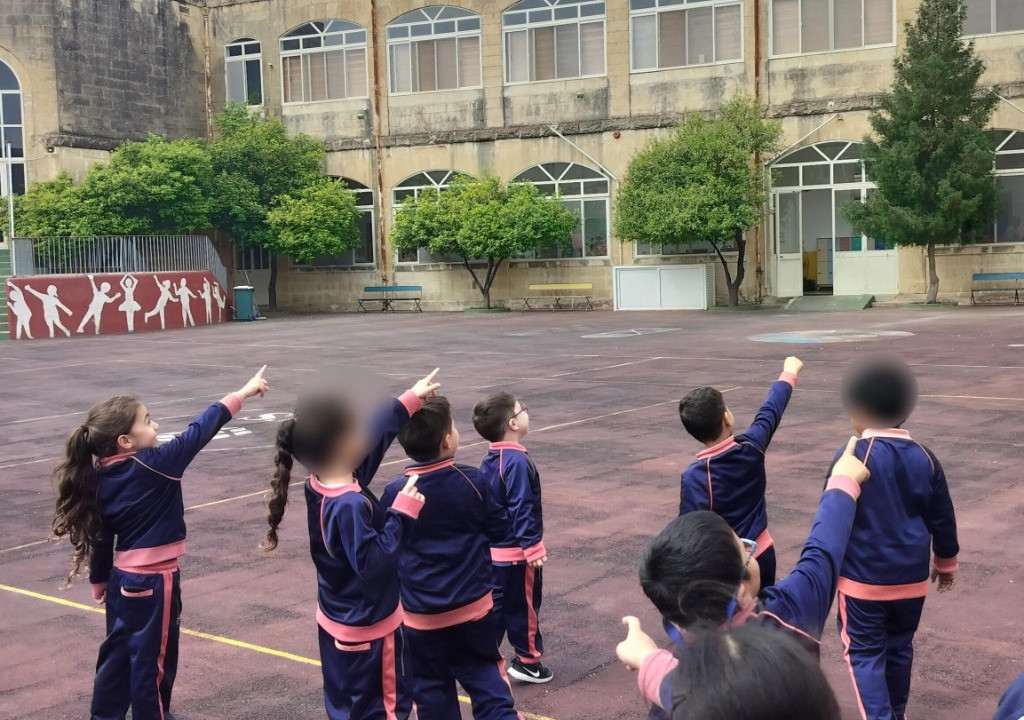
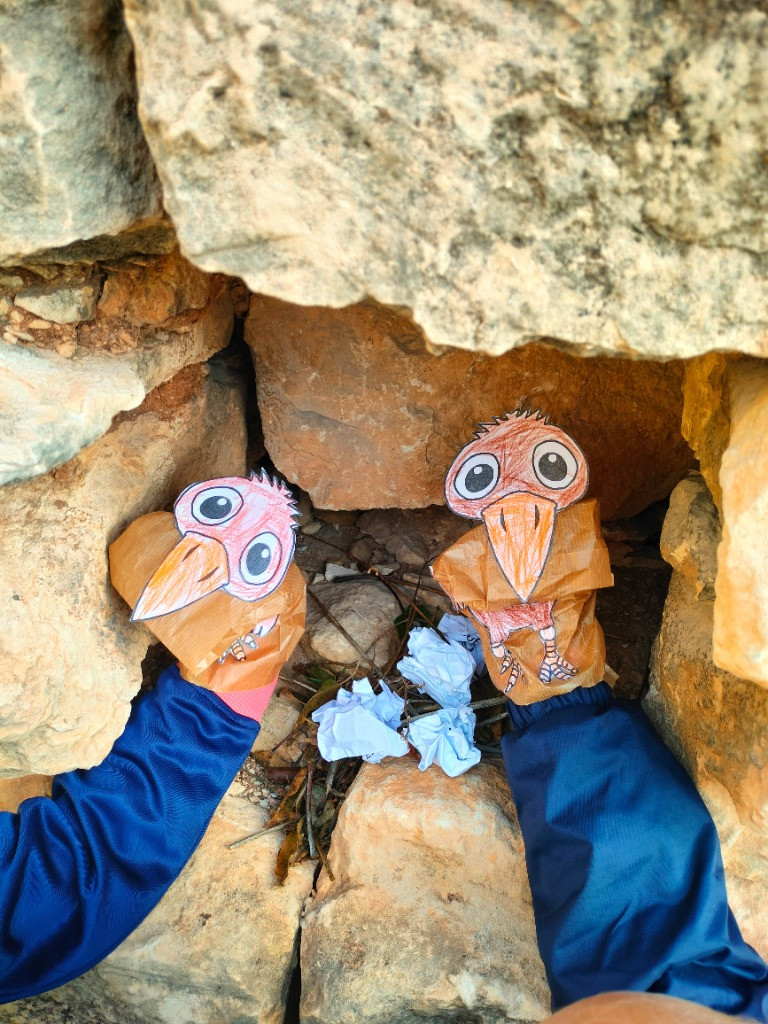
1. Sparrow feeding2. Children imitating sparrows movements
3. The Sparrow Diary display
Activity Photos for Inspiration
Learning Outcomes & Curriculum Integration
Subjects
- - Maths, Science, English, Physical Education
Learning Outcomes
Sparrow in a Spot 2 Learning Opportunities
Subject: English
Strategies, Attitudes and Behaviours:
· Give an appropriate response (verbal and non-verbal) while listening and viewing.
· Begin to use correct intonation to distinguish statements from questions.
· Present ideas, opinions, experiences and arguments with confidence.
Subject: Science
Learning Opportunities
· Identify various weather conditions experienced in Malta and relate these to their everyday life experiences.
· Understand that planet Earth supports life and therefore we must take care of Earth’s resources.
· Explore energy and how things function
· Observe different animals (including fish, amphibians, reptiles, birds, mammals and insects/minibeasts) and their characteristics e.g. land and/or underwater, type of habitat (farm/wild), size, wings, legs, body covering (fur/feathers/scales), movement, feeding, reproduction (live birth or hatch from an egg), breathing (nose/lungs/gills) etc.
Subject: Maths
Learning Opportunities
· Reading and using tally marks to represent data collected in tables.
· Counting reliably forward
Subject: Physical Education
Learning Outcomes:
· I can follow a range of locomotor movements such as walk, run, jump, hop, skip, gallop, leap).
· I can imitate different balances on different body parts of the body.
Integration with Curriculum
|
Activity |
Resources |
Proposed Time |
Topic |
|
Sparrow in a Spot 2 |
· Birdseed · Card/paper · Pens/pencils · Scissors · Glue
|
All Year round- ideally after completing Sparrow in a Spot 1 |
Birds Around Us Maths: Count & Compare, Graphs
|