Sparrow in a Spot 1
1. Introducing Sparrows
Show the children the "Sparrow pictures" from the Downloadable Materials. Ask if they have ever seen one and what they know about it. Expand the discussion to different bird habitats, showing photos and asking where sparrows might live. This builds background knowledge.
2. Sparrow Spotting Outdoors
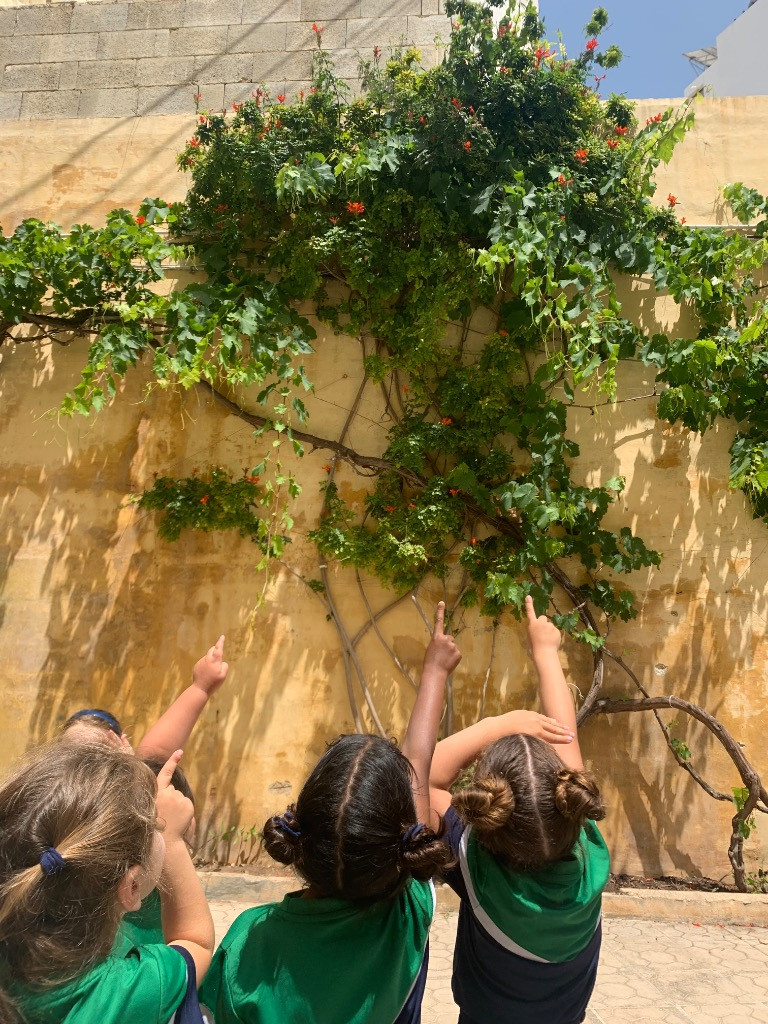
Take the children into the schoolyard to look for sparrows (check beforehand for the best time/place). Give them simple binoculars (toy or real) to make birdwatching more interactive. Observe the sparrows together and talk about what they are doing. Add a movement activity, invite the children to “fly” around the yard, hopping and flapping like sparrows. Inspire reflection with questions like:
“What do you think it feels like to fly like a bird?” (and discuss how sparrows differ from pets.)
3. Storytime with Sparrows
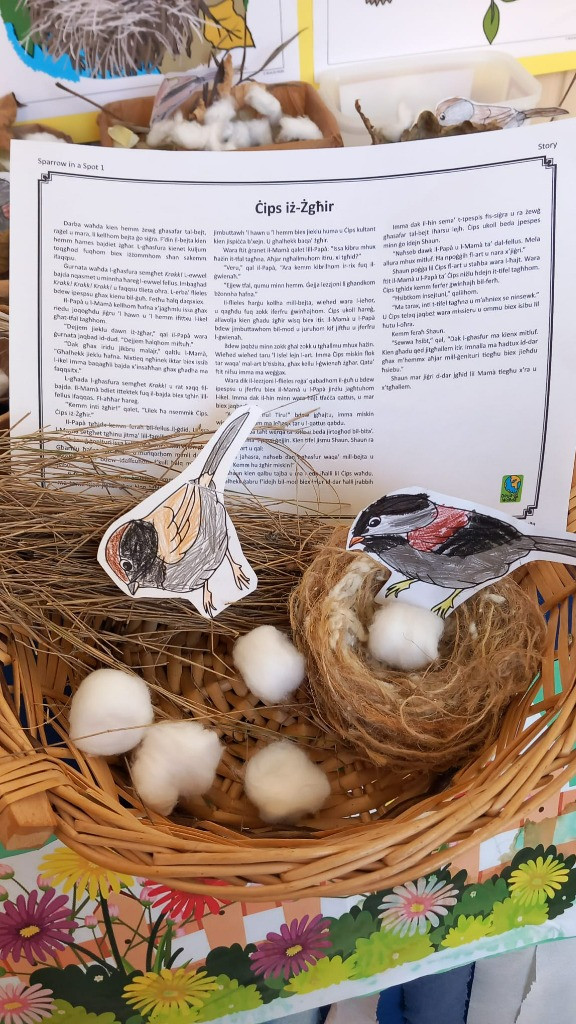
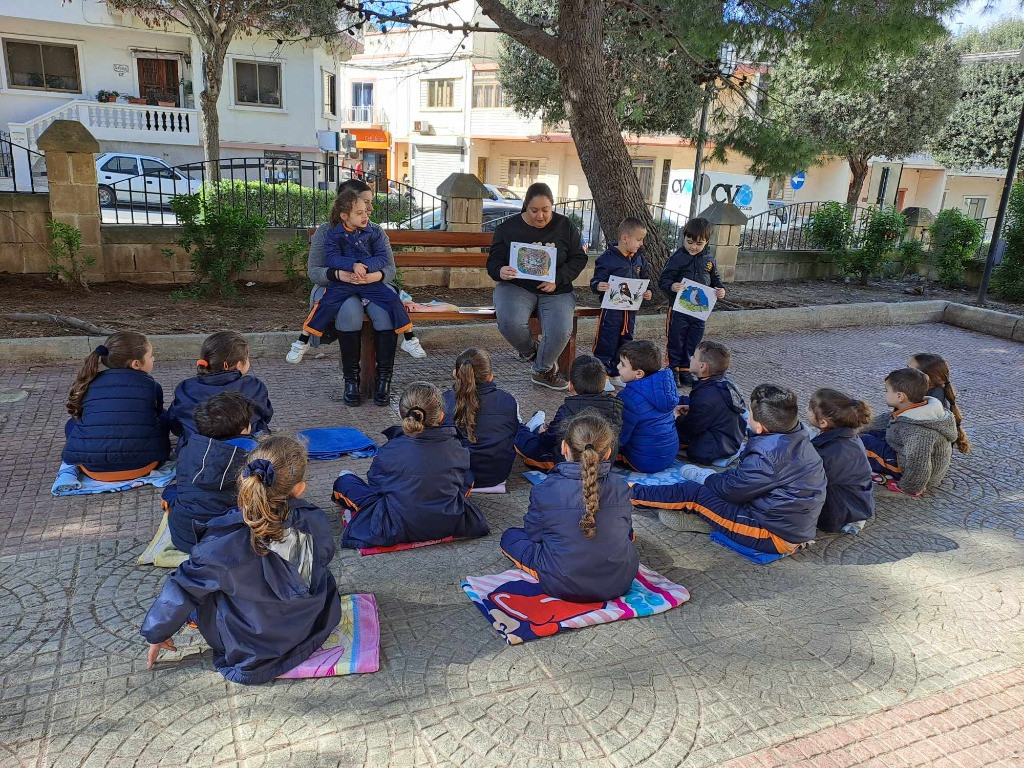
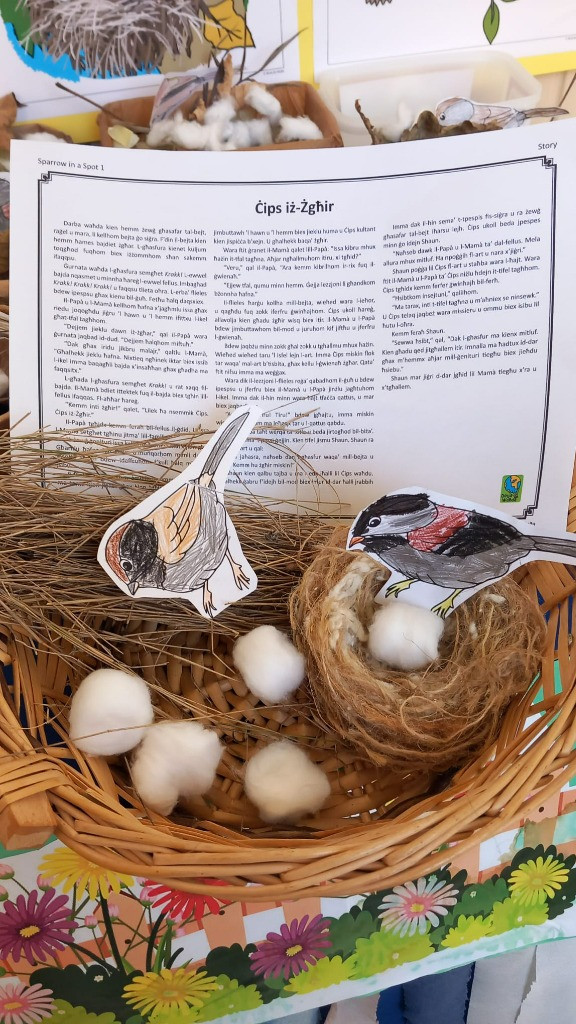
Find a quiet outdoor spot, ideally where sparrows can be seen in the background. Set out cushions and read "Little Ċips / Ċips iż-Żgħir" (Downloadable Material). Use visuals as prompts. They can be projected or printed as pics-on-sticks (you can dowload the "Story cards" from the Downloadable Materials). Add sparrow calls with a speaker to make the storytelling more immersive.
4. Interactive Storytelling
Pause while reading to ask questions, animate the story, and add bird sounds. Encourage children to imitate sparrows and listen to real ones nearby for inspiration.
5. Creating Story Props
Back in class, or outdoors with materials, invite children to work in groups to make story-related items:
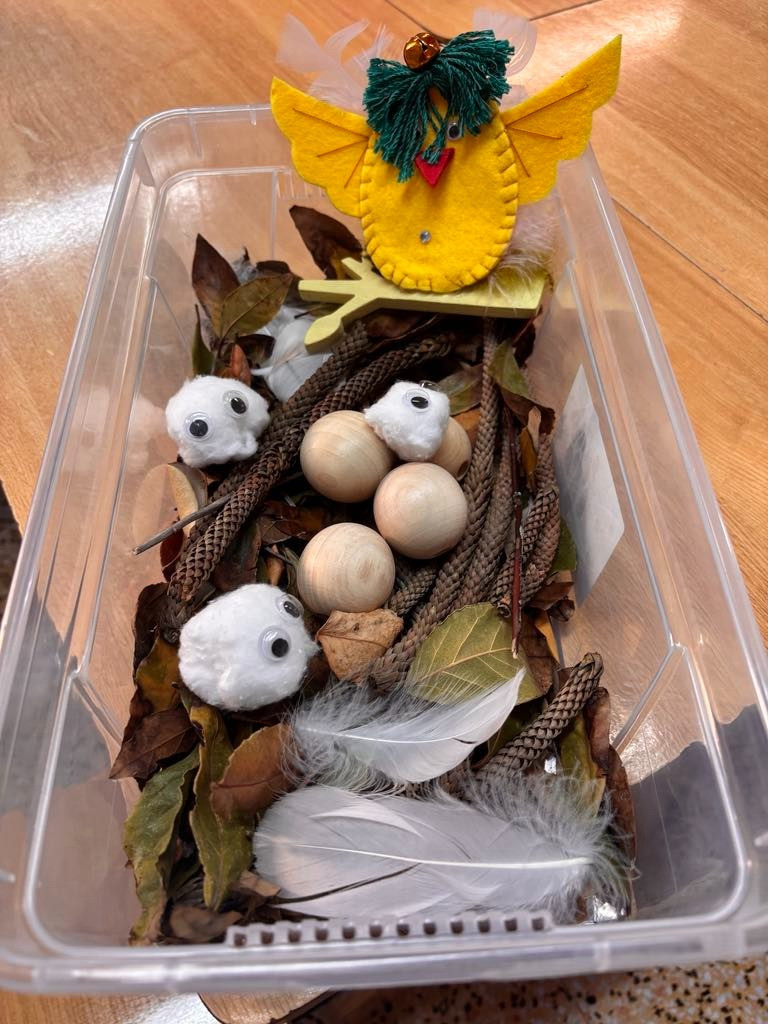
- Nests (plastic tubs with shredded paper);
- Eggs (scrunched paper balls);
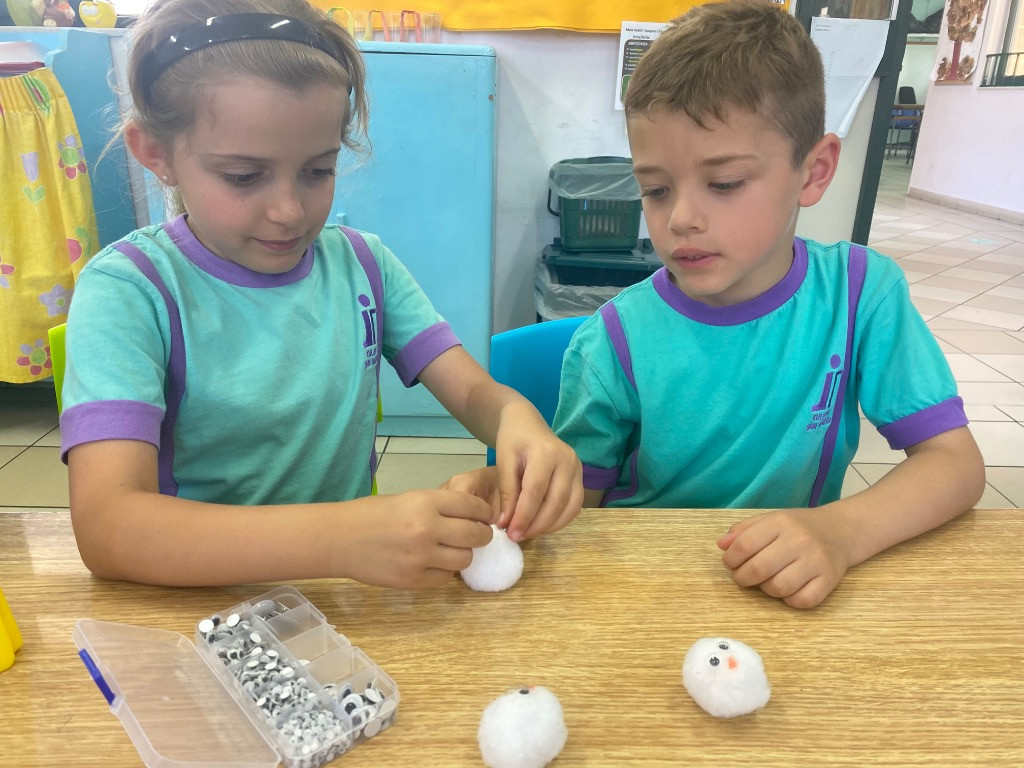
- Chicks (cotton wool with eyes).
They can also gather natural materials like leaves, twigs, or grass for nest-building. Place everything into a “story bag.” When revisiting the story, children can retell it by pulling out the props in order. This develops memory and language skills.
6. Reflecting on Sparrow Life
Conclude by asking reflective questions, such as:
“What do baby sparrows need to grow?”
“What was the most interesting thing you noticed about sparrows today?” (This deepens understanding and connects their experiences to real-life nature.)
Resources & Equipment Needed
- Thick card;
- Sticks;
- Binoculars real or toy;
- Plastic tubes;
- Shredded paper;
- Scrunched paper balls;
- Cotton wool;
- Eyes for chicks (felt, paper, or googly eyes);
- Story bag.
You can download these instructions in PDF by clicking here: Generate PDF
Downloadable Material
Activity Sheet_Sparrow in a spot 1
PDF Document
Little cips story (EN and ML)
PDF Document
Sparrow pictures
PDF Document
Story cards
PDF Document
Make sure to take photos of:
1. Children outdoors birdwatching2. Children listening to and animating story
3. Children creating sparrow props
Activity Photos for Inspiration
Learning Outcomes & Curriculum Integration
Subjects
- - Maltese
- - Science, Maths, English
Learning Outcomes
Subject: English
Strategies, Attitudes and Behaviours
· Listen to and view attentively and for a sustained period with increasing concentration and enjoyment.
· Give an appropriate response (verbal and non-verbal) while listening and viewing.
· Listen with appreciation and enjoyment to stories, rhymes, songs, poems, audio and audio-visual texts.
· Listen and look out for specific information and details.
· Make logical predictions and simple connections to real life and personal experiences.
· Identify the sequence of events or ideas.
· Respond to questions.
· Demonstrate understanding by responding verbally and non-verbally to stories/poems/rhymes.
Subject: Maths
Learning Opportunities
· putting sets of objects and shapes in order of size.
· language such as more or less to compare two quantities, then more than two, by making direct comparisons and filling and emptying containers.
· models using various 3D shapes from real-life and describe them.
· recognising and using the language of position.
Subject: Science
Learning Opportunities
· Observe different animals (including fish, amphibians, reptiles, birds, mammals and insects/minibeasts) and their characteristics e.g. land and/or underwater, type of habitat (farm/wild), size, wings, legs, body covering (fur/feathers/scales), movement, feeding, reproduction (live birth or hatch from an egg), breathing (nose/lungs/gills) etc.
· Explore energy and how things function
· Handle scissors safely to cut freely, along straight and curved lines.
· Explore and use everyday materials as construction resources. Such materials may include building blocks, lollipop sticks, cards, cups, bottle caps, pasta, pipe cleaners etc.
Subject: Maltese
Strategies, Attitudes and Behaviours /Strateġiji u attitudnijiet u mġiba
· Iwasslu messaġġ jew aħbar.
· Iwieġbu għal mistoqsijiet sempliċi.
· Jgħidu fi kliemhom u fil-qosor l-istejjer u tagħrif ieħor mislut minn dak kollu li jkunu semgħu.
· Juru li jafu jpinġu mill-immaġinazzjoni tagħhom biex ifissru kliem.
Integration with Curriculum
|
Activity |
Resources |
Proposed Time |
Topic |
|
Sparrow in a Spot 1 |
|
End of term 2/ beginning of Term 3 |
-Nature: Birds -Habitats -Emotions |