Nature Detectives 2
1. Observation Outdoors
Choose an area with flowers, ideally in the school grounds, but a countryside trip works too. This activity builds on earlier skills, adding observation and recording.
2. Setting Up the Workspace
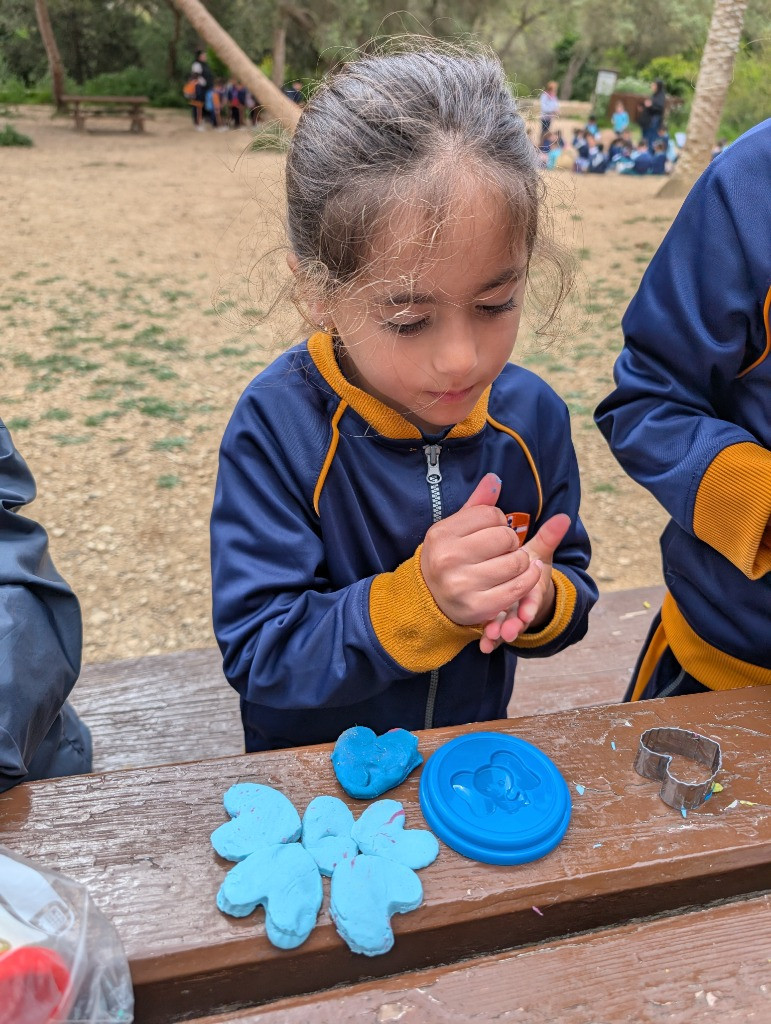
Prepare playdough in different colours. Spread out a sheet or set up tables outdoors near the flowers. Place cutters and materials ready for the children.
3. Looking Closely at Flowers
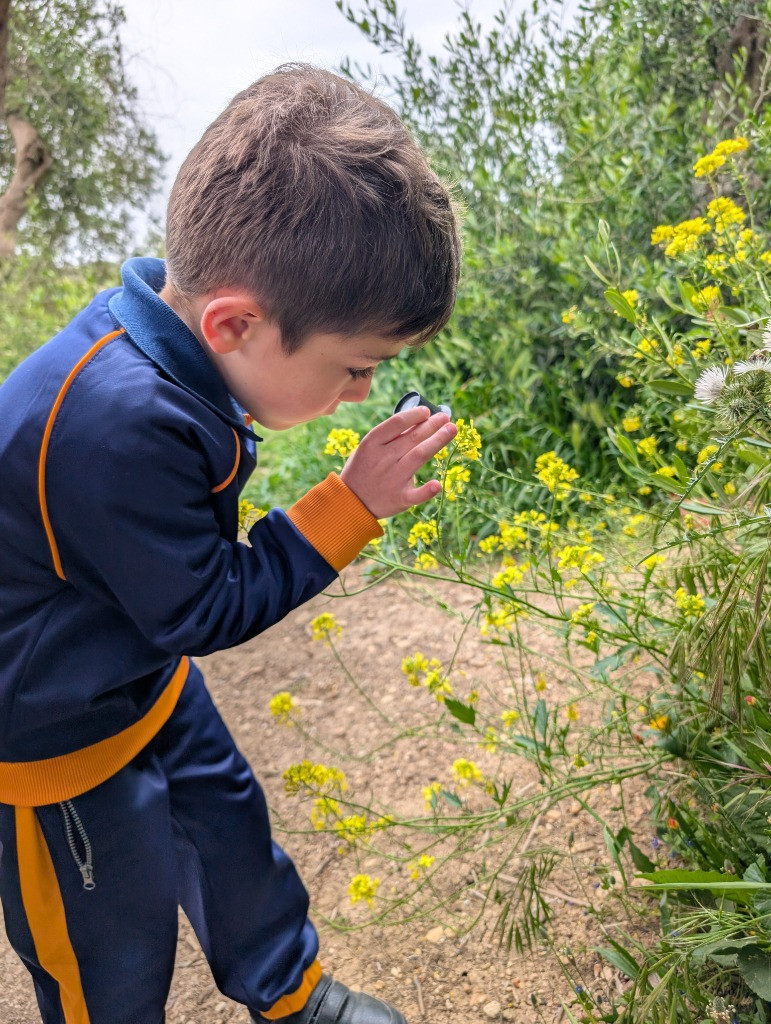
Give children loupes to study the middle of flowers. Wonder together at the colours, shapes, and patterns. Ask questions:
“What shapes can you see?”
“Which are biggest/smallest/longest/shortest?”
Important! Explain why flowers should not be picked or damaged, if we pick flowers the insects will go hungry.
4. Creating Playdough Flowers
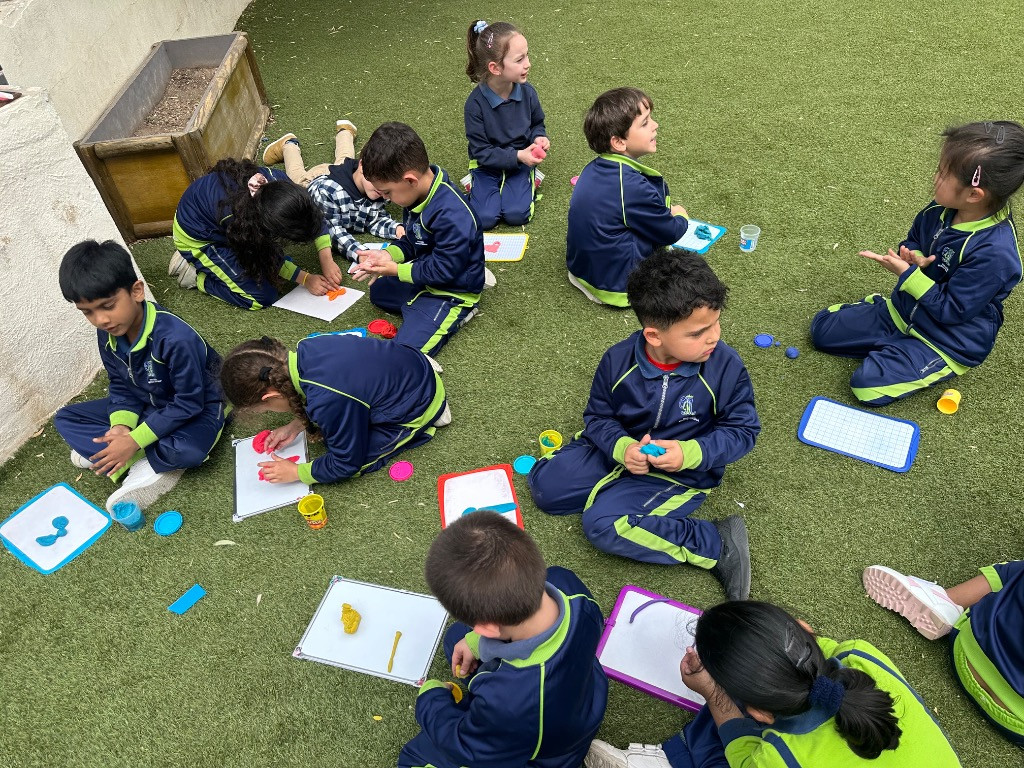
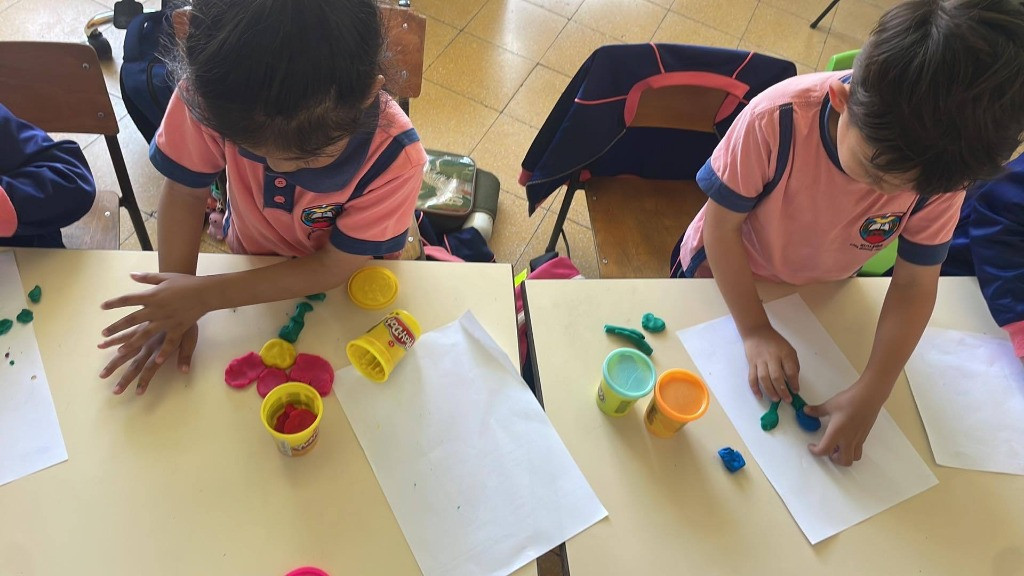
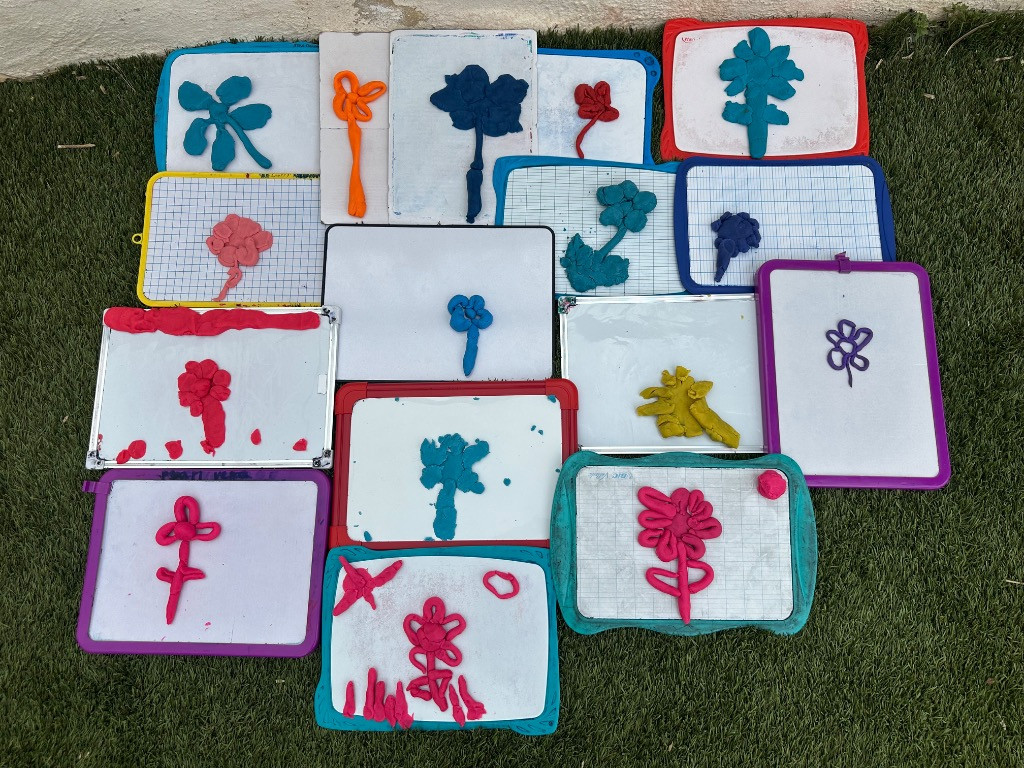
Each child rolls and cuts different shapes from playdough. Provide a square of cardboard for building. Children run to the flower patch, look closely through their loupe, then run back and recreate the flower with playdough. The result may look different from the real flower and that’s fine! This part of the activity combines gross and fine motor coordination with observation and memory, together with maths and science.
5. Reinforce the idea of “I am like nature”
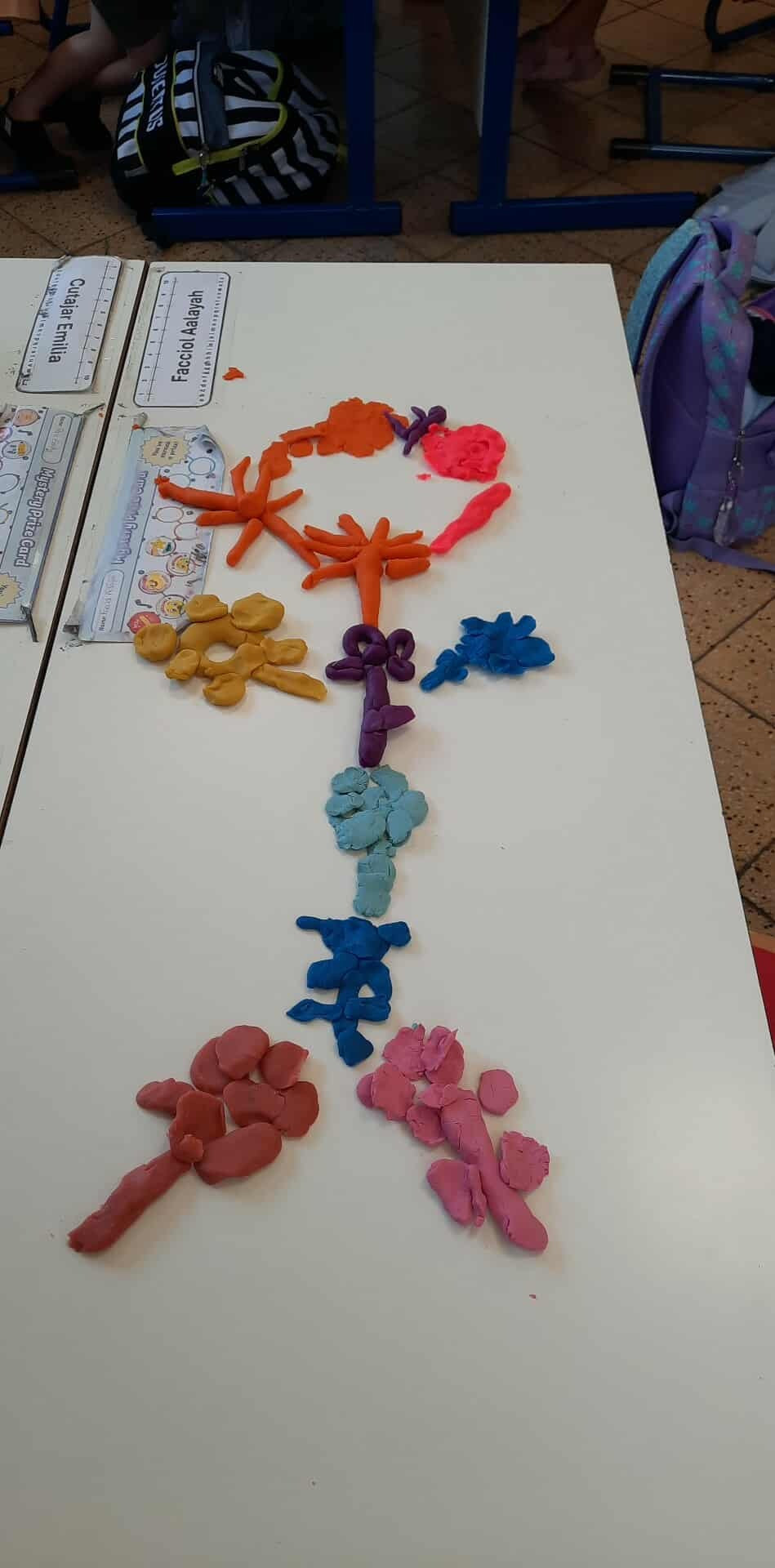
After building flowers, connect nature to identity: as a group, use playdough shapes to make a boy or girl figure. This reinforces the idea “I am like nature” and helps children bond with their surroundings.
Resources & Equipment Needed
- Playdough;
- Sheet or tables to work on;
- Loupes;
- Shape cutters (square, triangle, circle, etc.);
- Cardboard squares (one per child);
You can download these instructions in PDF by clicking here: Generate PDF
Downloadable Material
Activity Sheet_Nature detectives 2
PDF Document
Make sure to take photos of:
1. children outdoors looking at flowers through loupes2. children running to and fro and creating playdough flowers
3. final display
Activity Photos for Inspiration
Learning Outcomes & Curriculum Integration
Subjects
- - Maths, Maltese, English, Science
Learning Outcomes
Nature Detectives 2 Learning Opportunities
Subject: English
Strategies, Attitudes and Behaviours:
· Demonstrate knowledge of spoken grammar and register.
· Present ideas, opinions, experiences and arguments with confidence.
Subject: Science
Learning Opportunities:
• Explore and observe a variety of living things.
• Explore different types of seeds, leaves and plants including flowering and non-flowering plants.
• Explore and use everyday materials as construction resources.
• Understand that planet Earth supports life and therefore we must take care of Earth’s resources.
Subject: Maths
Learning Opportunities:
· Recognising the square, the rectangle, the triangle and the circle in different orientations.
· Identifying symmetrical objects in the environment
· Making patterns and pictures with 2D shapes using construction kits, geoboards, playdough and other materials and describe them.
· Using language such as more or less to compare two quantities,
· Using language such as long/short and longer/ shorter… to compare two quantities.
· Following instructions about positions, directions and movement on grids
Subject: Maltese
Strategies, Attitudes and Behaviours/ Strateġiji u attitudnijiet u mġiba:
· Iwieġbu għal mistoqsijiet sempliċi.
Integration with Curriculum
|
Activity |
Topic |
Proposed Time |
Resources |
|
Nature Detectives 2 |
Flowers Parts of a flower, how flowers change through the seasons, different insects that depend on flowers Shapes around us |
End of term 2 beginning of term 3
When wild plants start blooming |
· Playdough · Sheet or tables to work on · Loupes · Different shaped cutters (square, triangle, circle etc.) · Cardboard squares (one per child) |