Soil's Magic 1
1. Choose a special spot
Find a quiet corner of the school grounds, ideally somewhere the children don’t often visit. Set up wide, shallow containers (like trays). Autumn is the perfect time, as there’s a greater chance of rain.
2. Discovering soil
Gather the class and give them a small tray of dry soil to explore with their hands. Ask simple, open-ended questions:
“What do you think this is? Where have you seen it before? What do you know about it?”
3. Introducing the “magic”
Tell the children that soil hides a kind of magic. Let them ask questions but keep it mysterious! Explain that you’ll show them this magic and invite them to collect a little soil at home, just three handfuls in a paper bag are enough. Remind families not to use potting compost (it won’t contain seeds). Children can use a small trowel or old spoon to gather soil on their walks.
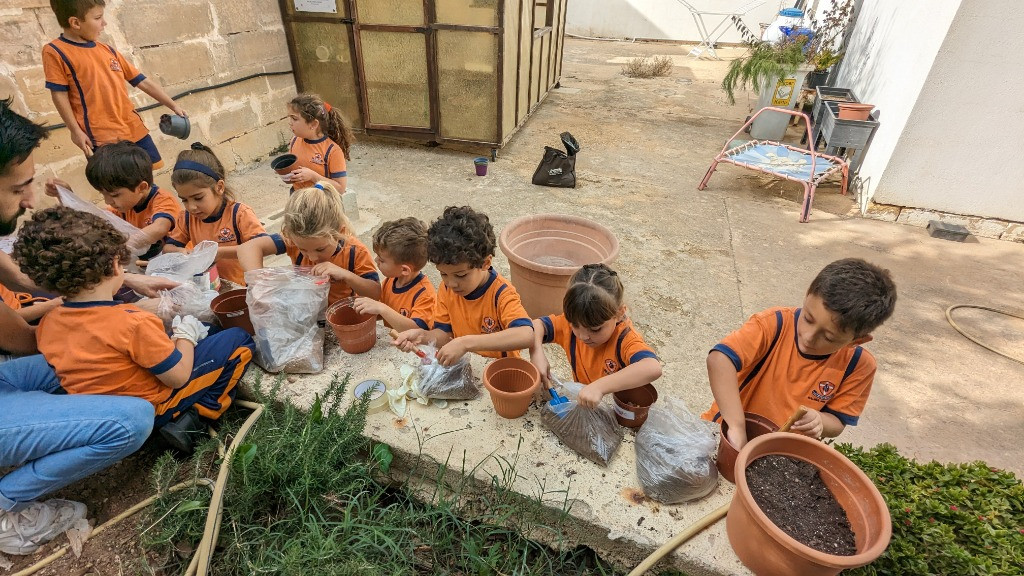
4. Creating the Soil Magic boxes
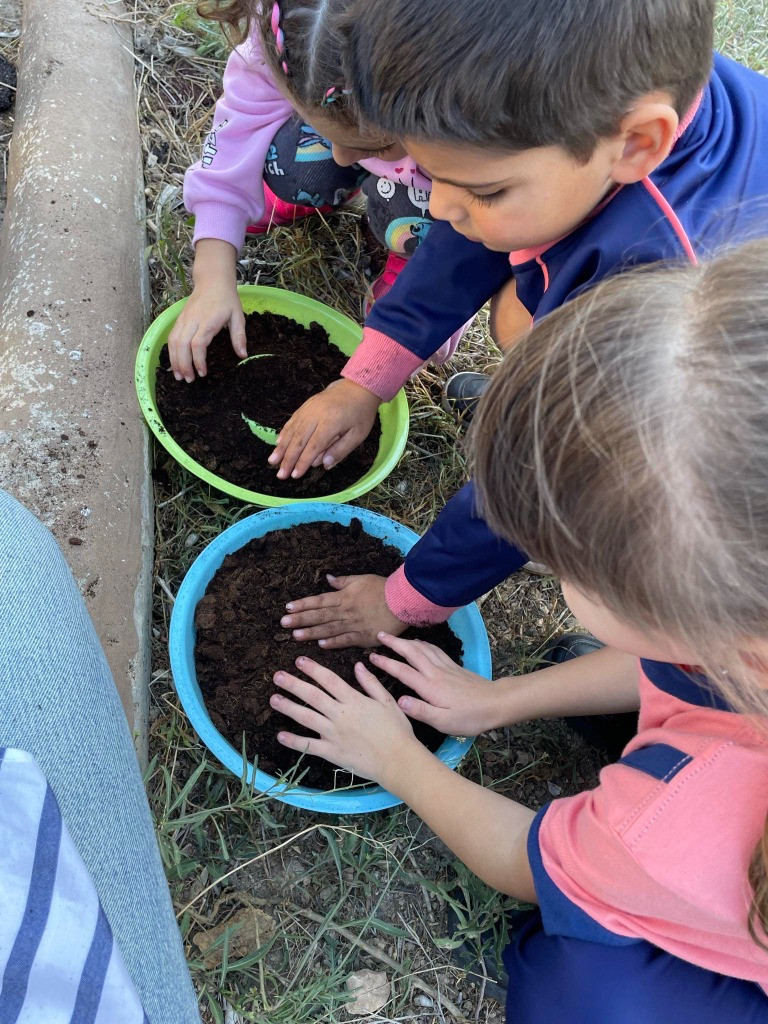
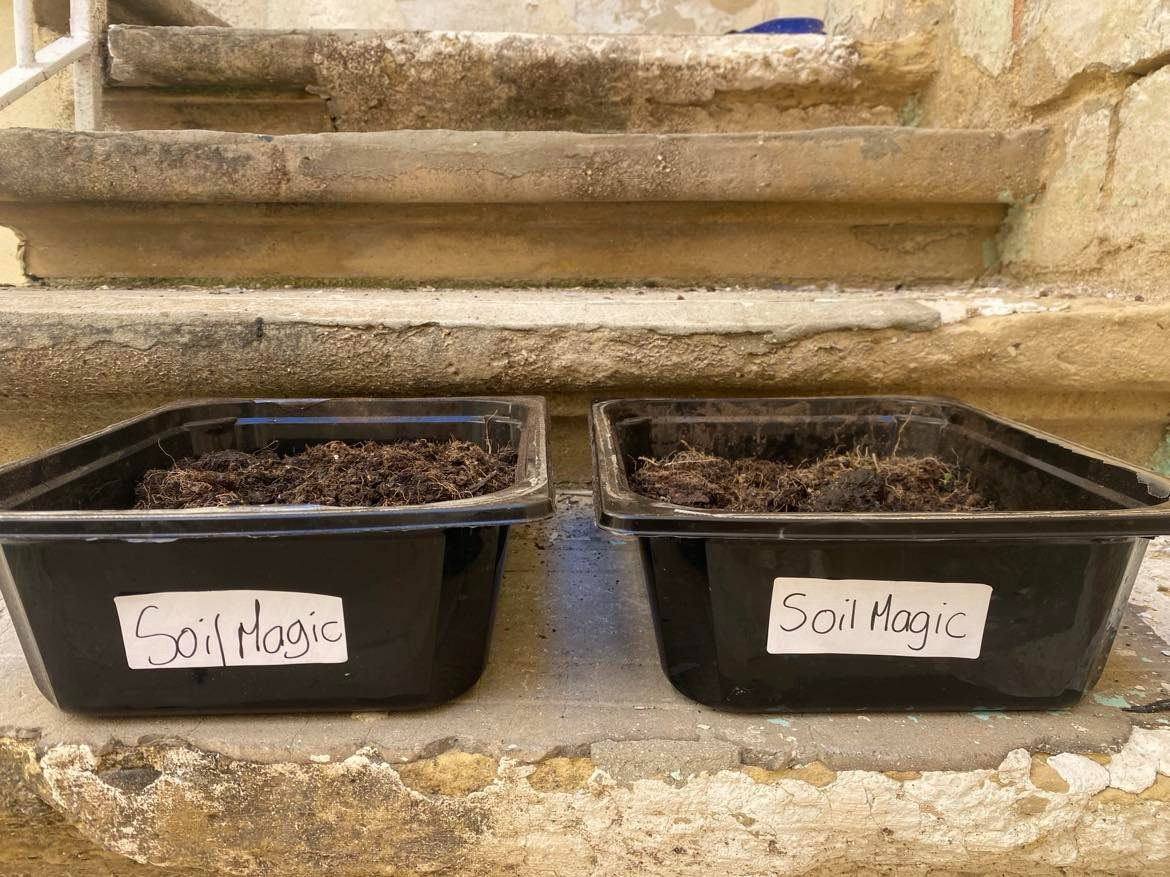
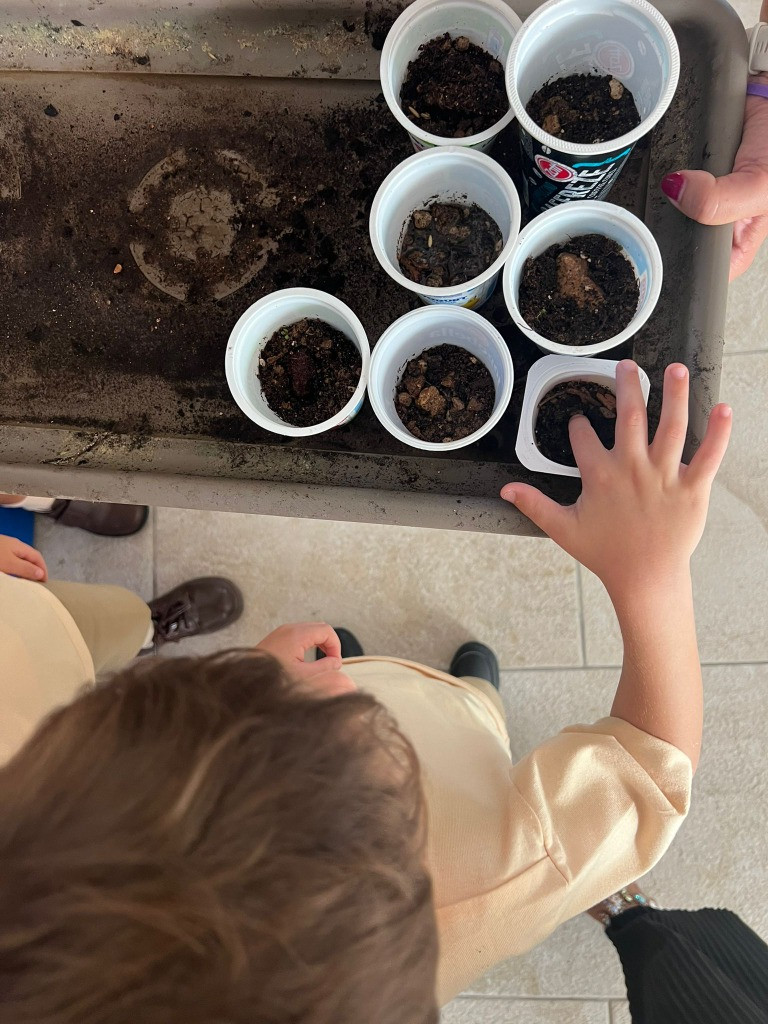
When the children start bringing in their soil, take them to the special outdoor spot. Together, mix the soil into the containers. Turn it into a little ceremony: each time a child adds soil, say something like, “Come on soil, show us your magic!” Then, decorate the containers with labels that say Soil Magic. Try to complete this part within a week and save a little soil for a later experiment.
5. Waiting for the magic
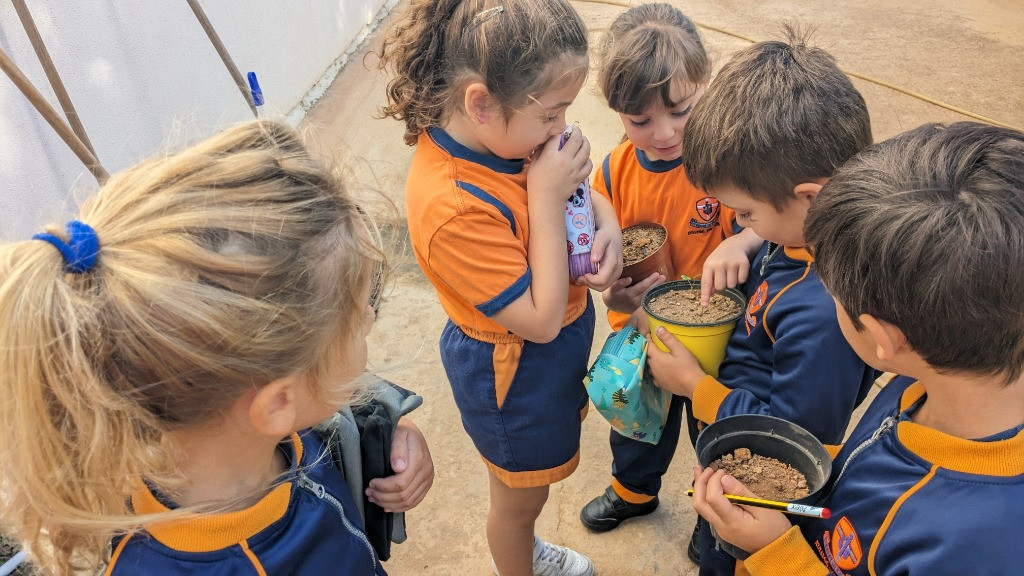
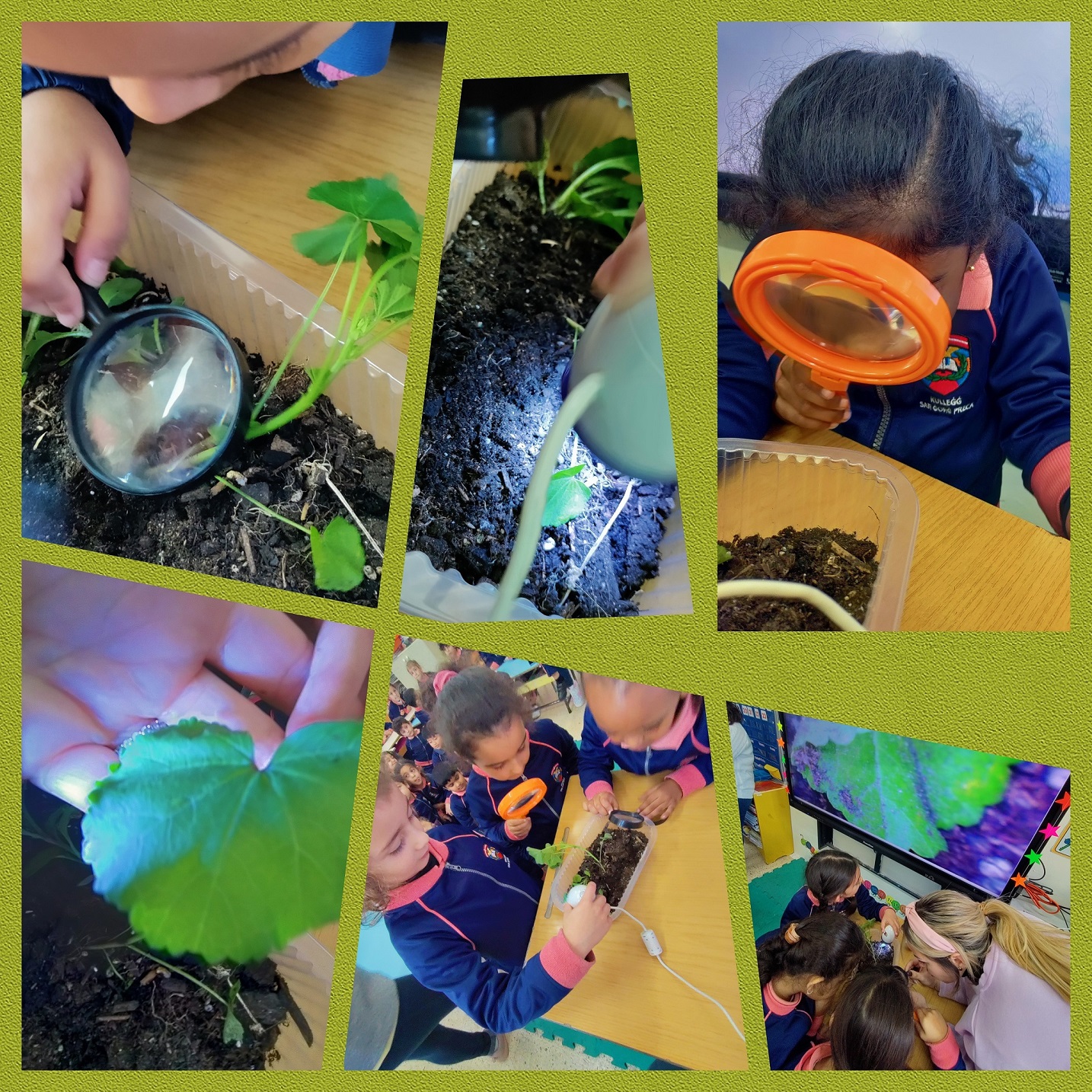
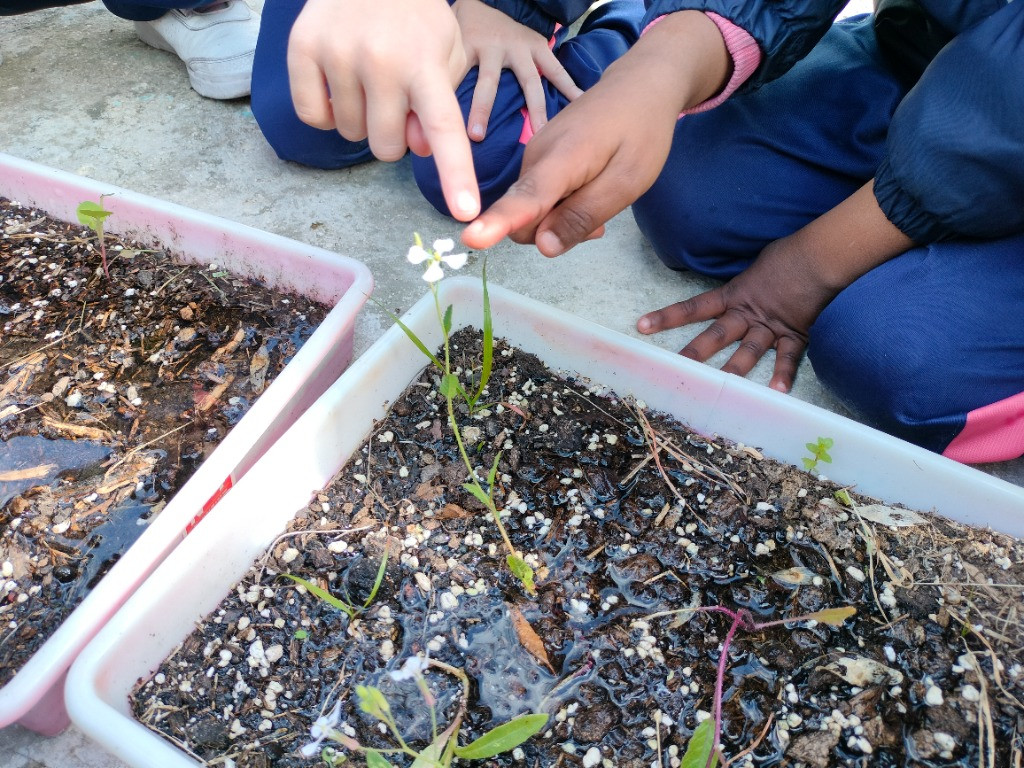
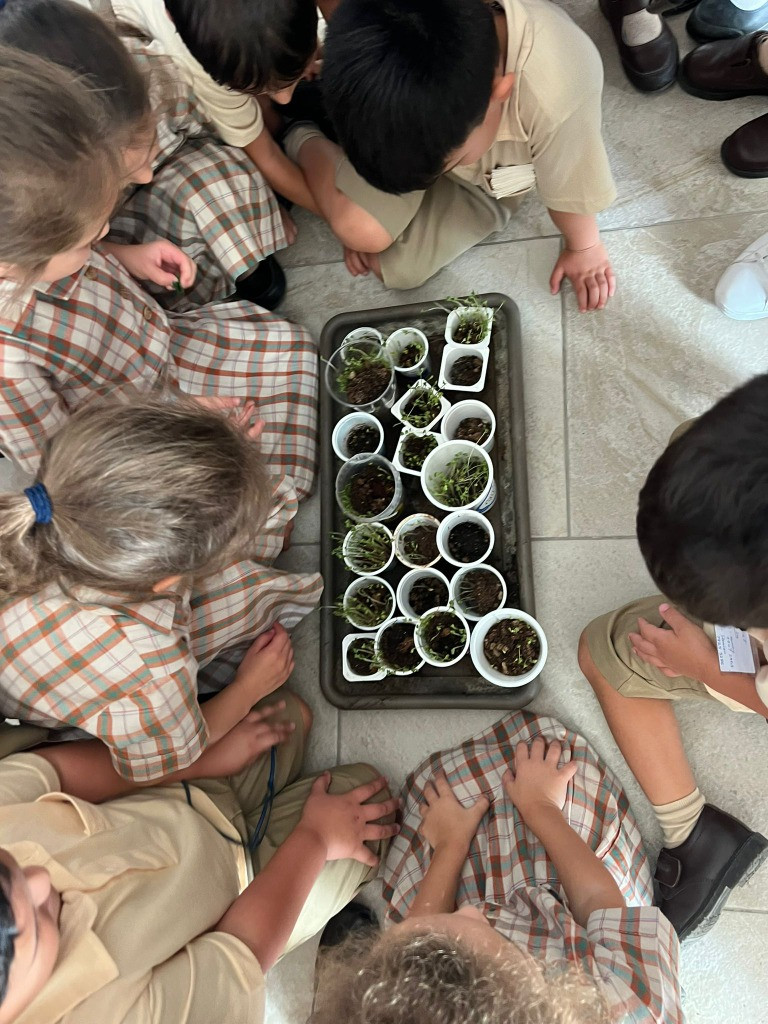
Leave the containers for 2–3 weeks and hope for rain (or water them if needed). Keep the excitement alive by reminding the children about the soil’s secret magic and asking what they think might happen. When wild plants begin to sprout, check the Soil Magic boxes with the children. Share in their wonder! If some expected bigger, more magical surprises, guide the discussion toward the real miracle:
“How can plants appear when we only added soil?”
Celebrate the amazing life hidden in soil! End the session with a playful rhyme, which can be chanted or sung (to the tune of Pat-a-Cake):
English:
Magic soil, magic soil, peekaboo!
What are you, what’s inside you?
Plants grow from you, green and tall,
Some are big and some are small.
Maltese:
Fittex, fittex fil-ħamrija,
Minn fejn ġejja dil-maġija?
Tkabbar pjanti ċari w skuri,
Minnhom jiftħu ħafna fjuri.
Tip: check for the presence of woodlice as an additional wonder.
Resources & Equipment Needed
- Trays (e.g. old fruit/veg trays with holes);
- Dry soil;
- Paper bags (1 per child);
- Trowels (may be available from BirdLife Malta – contact [email protected]);
- Pens/pencils and something to decorate the trays;
- Labels.
You can download these instructions in PDF by clicking here: Generate PDF
Downloadable Material
Activity Sheet_Soil's magic 1
PDF Document
Make sure to take photos of:
1. Putting soil in containers2. Looking at sprouting wild plants and discussing
Activity Photos for Inspiration
Learning Outcomes & Curriculum Integration
Subjects
- - Science, English, Maltese, Maths
Learning Outcomes
Nature Magic 1 Learning Opportunities
Subject: Science
Learning Outcomes
· Explore different types of seeds, leaves and plants including flowering and non-flowering plants.
· Grow flowering and non-flowering plants.
· Explore energy and how things function e.g. humans require energy from food, plants get energy from the sun,
· Observe weather changes over a period of time, throughout the year and relate to everyday life experiences.
Subject: English
Learning Outcomes:
- Listen to and view attentively and for a sustained period with increasing concentration and enjoyment.
- Give an appropriate response (verbal and non-verbal) while listening and viewing.
- Listen with appreciation and enjoyment to stories, rhymes, songs, poems, audio and audio-visual texts.
- Respond to questions.
- Start practising the conventions of social discourse, such as take turns in conversations and respond to others.
Subject: Maths
Learning Outcomes:
· using language such as heavier or lighter to compare two quantities, then more than two, by making direct comparisons of masses.
· measuring mass using uniform non-standard units.
· using language such as more or less to compare two quantities, then more than two, by making direct comparisons and filling and emptying containers
· measuring duration of time through experience.
Subject: Maltese
Learning Outcomes/Strateġiji u attitudnijiet u mġiba:
· Jisimgħu kull kmand u/jew struzzjoni u jitqanqlu biex jattivaw kemm il-moħħ kif ukoll il-ġisem.
· L-akkwist u t-tisħiħ tal-vokabularju għandu jsir permezz tas-smigħ minn qari mill-għalliem/a: smigħ ta’ stejjer, għanjiet, taqbiliet, eċċ., permezz talmedja u kkomplimentati b’ċaqliq talġisem.
· Iwieġbu għal mistoqsijiet sempliċi.
Integration with Curriculum
|
Activity |
Topic |
Proposed Time |
Resources |
|
Nature’s Magic 1 |
Soil
Flowers |
Start Term 1 – Nov (Autumn)
|
|