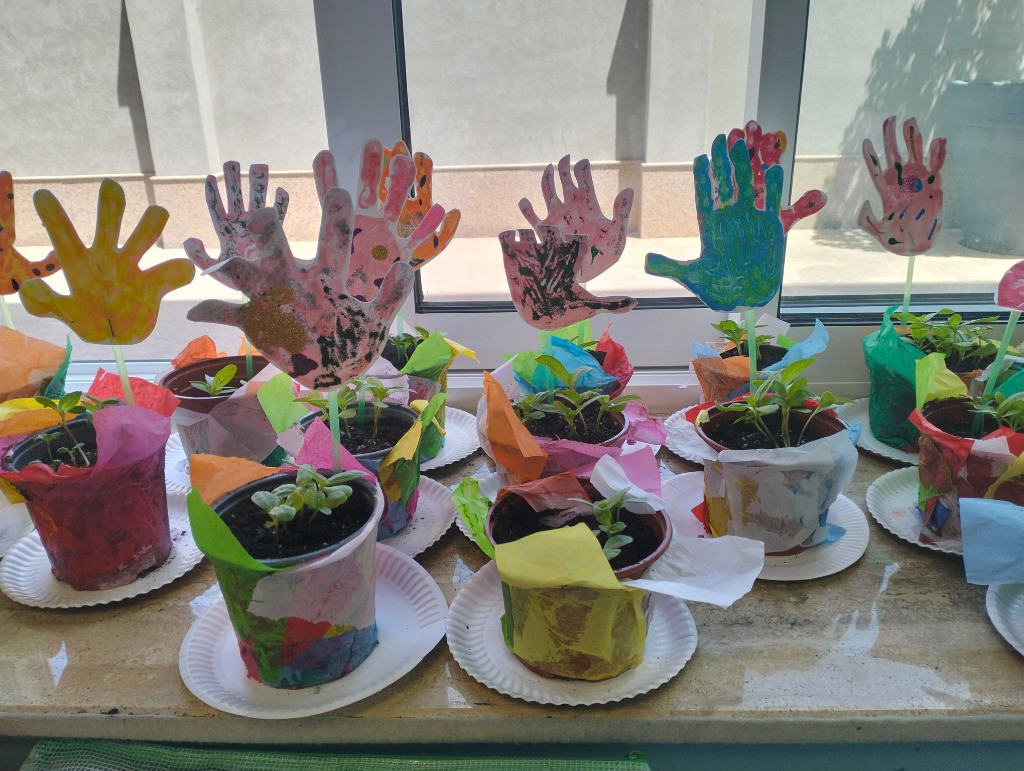
Nature and Me 3
1. Prepare Your Nature Space
By March, the classroom should have a nature corner filled with healthy plants that the children help look after. This activity then builds on that connection by taking it outdoors. Talk with the children about learning in nature and encourage them to share their ideas.
2. What to Prepare (in the schoolyard):
- Soil and compost;
- One small empty pot per child;
- Fennel seeds (available from BirdLife Malta – contact [email protected]);
- Bags of small objects (e.g. beads, marbles);
- Child-friendly trowels (may be available from BirdLife Malta – contact [email protected]);
Tip: you can fine more information about "Collecting fennel seeds" on BirdLife Malta Youtube page (Downloadable Materials).
3. Outdoor Storytime
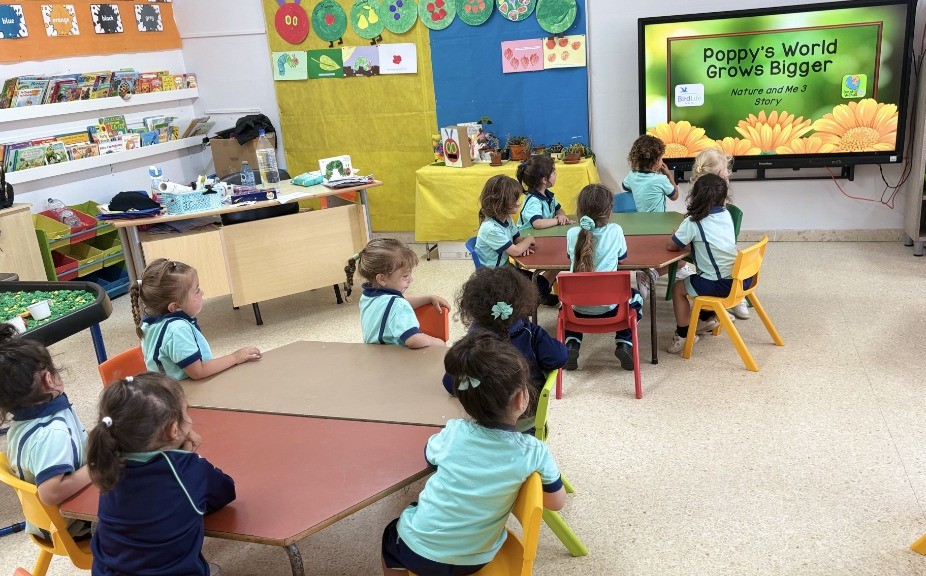
Take the children outside with cushions or seats. Talk about the sounds and sights around you. Choose a quiet spot together and read “Poppy’s World Grows Bigger” (Downloadable Materials). Make it interactive by dramatizing it, with movement and sensory elements.
4. Sensory Exploration
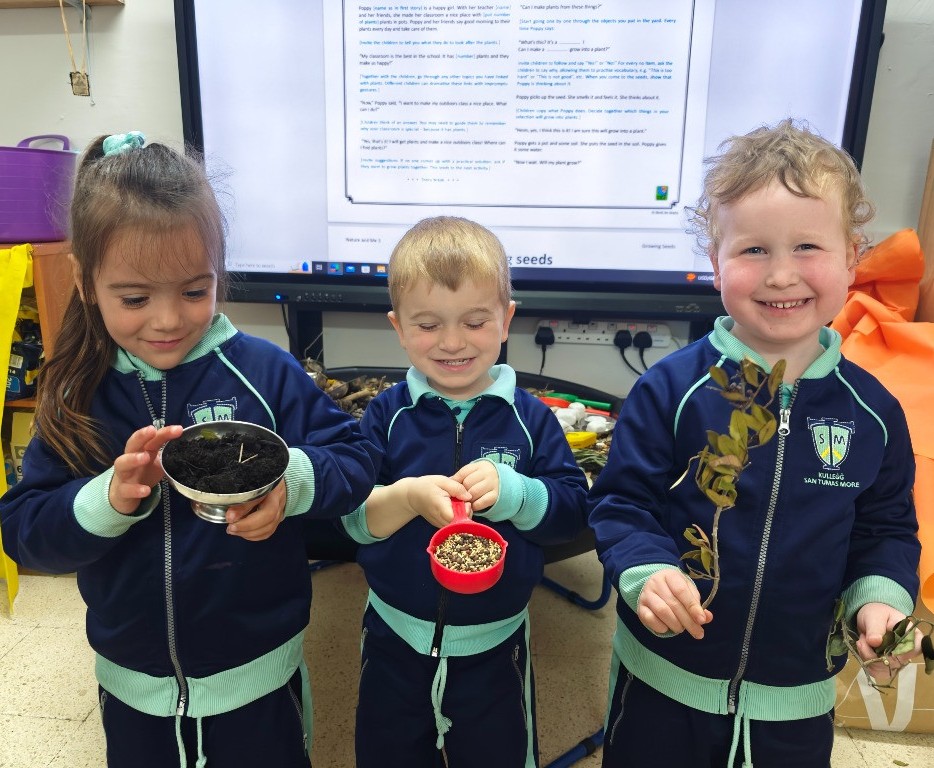
Lead them to the prepared materials. Ask them to find what might grow when watered. Let them touch, smell, and explore. Don’t give answers yet, let curiosity lead.
5. Time to Plant
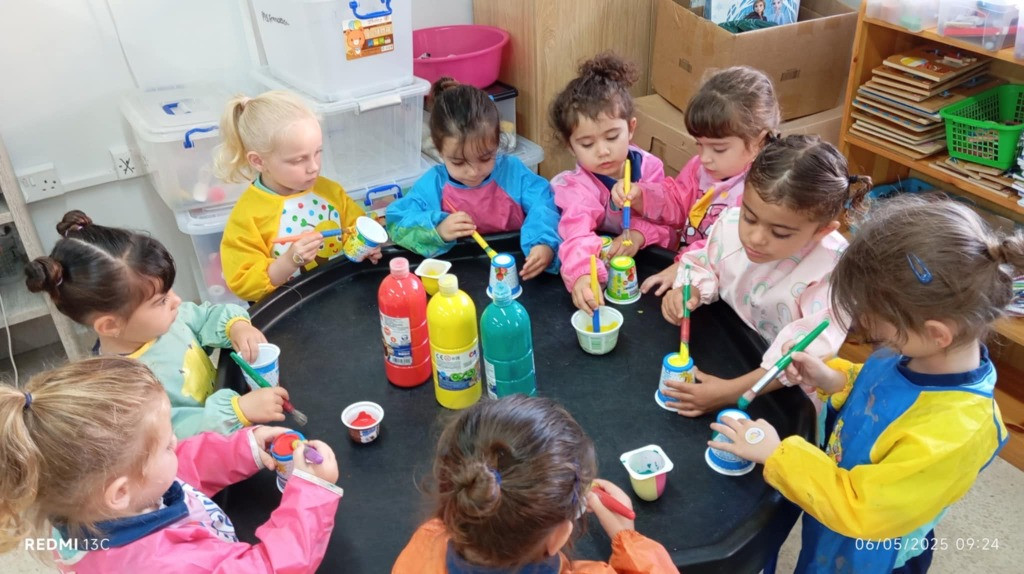
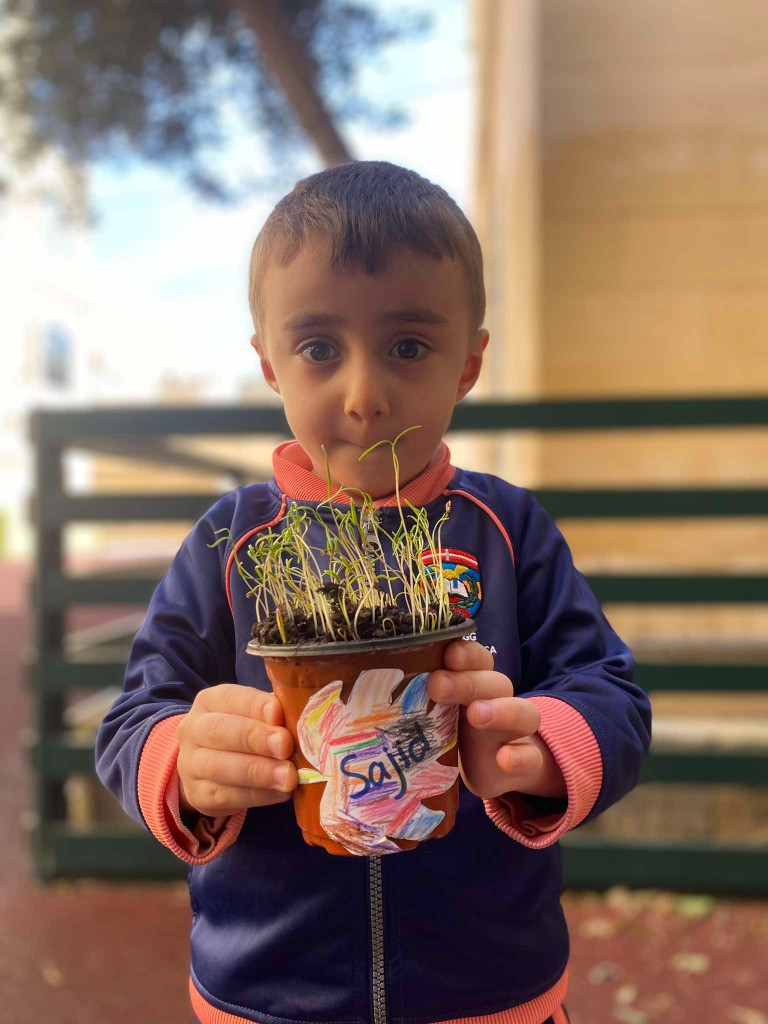
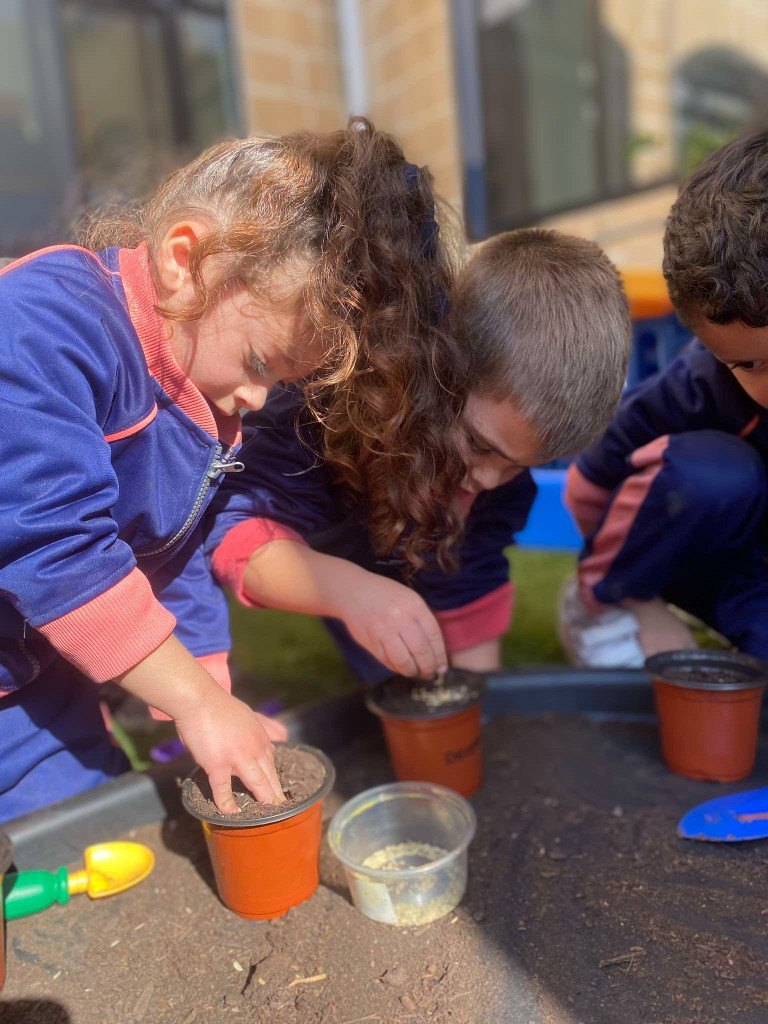
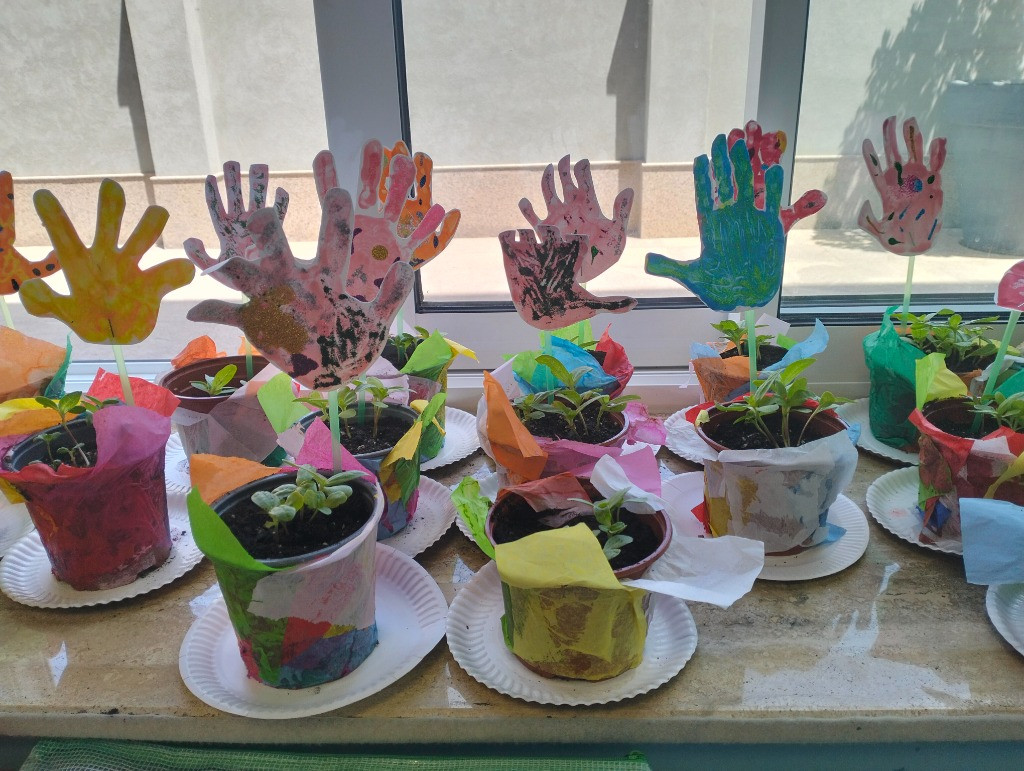
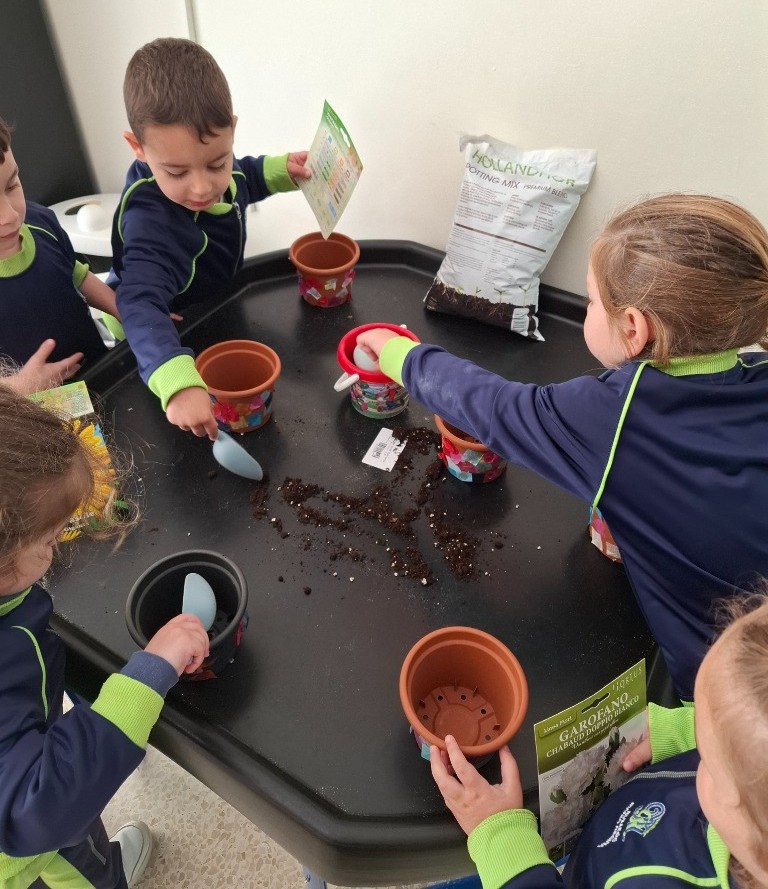
Give each child a pot, trowel, and fennel seeds. If someone wants to try planting a bead or object, let them experiment. Back in class, decorate the pots and place them close to the window. Water gently, explain the difference between “damp” and “wet.”
Tip: you can find more information about growing seeds in the "Growing seeds" file (Downloadable Materials).
6. Watch Them Grow
Seeds should sprout in a couple of weeks (especially in spring). Observe changes together. Compare growth, talk about what helped them grow, and keep caring for the plants.
7. Keep Going Outdoors
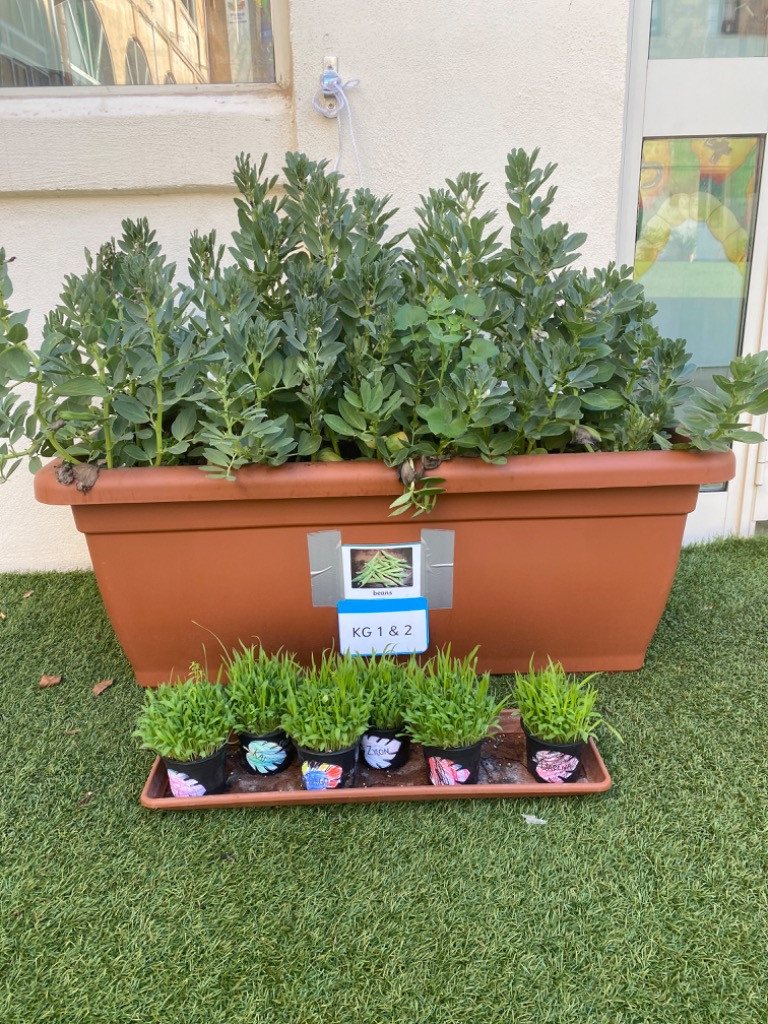
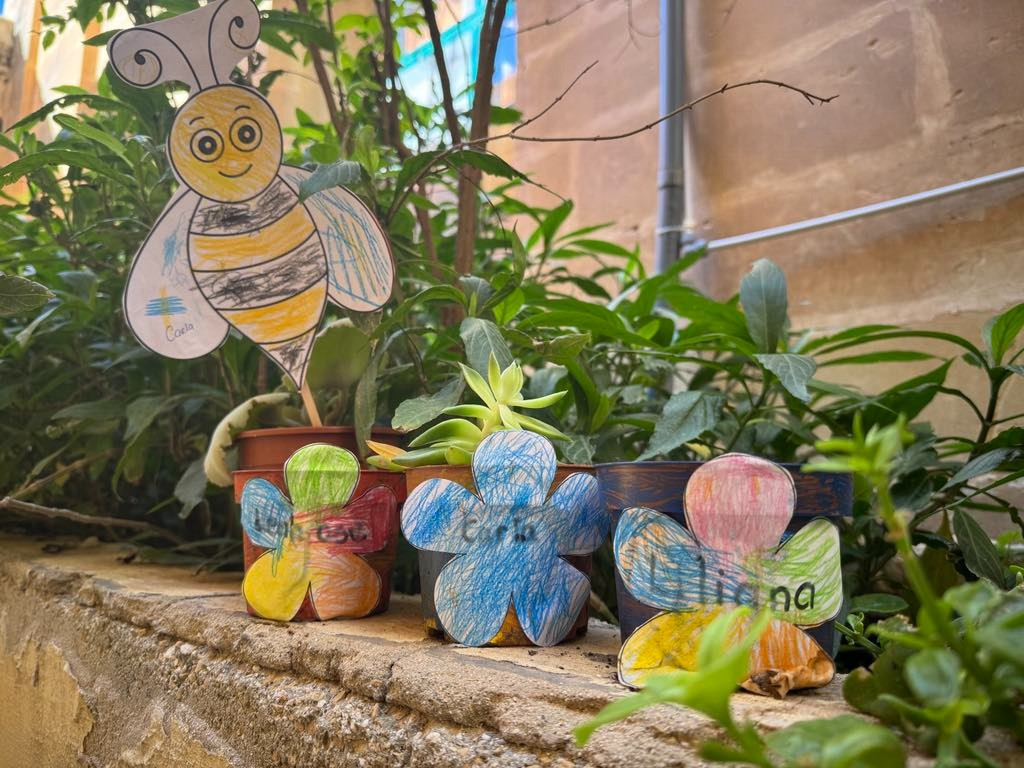
Fennel is easy to grow, smells nice, and attracts bees and butterflies. Once the seedlings are stronger, move them outside and start an outdoor classroom area with your potted plants. You can also add other potted plants, see "Maltese flowering plants list" in the Downloadable Materials. Over holidays, kids can take their plants home to look after.
Resources & Equipment Needed
- Compost container & peat-free compost;
- Small pots (1 per child);
- Child-friendly trowels (may be available from BirdLife Malta – contact [email protected]);
- Fennel seeds (Available from BirdLife Malta – contact [email protected]);
- Bag of small objects (e.g. beads, marbles);
- Markers, paper, card, scissors, glue (to decorate the pot);
- Art and craft supplies of your choice;
- Small watering can or jug.
You can download these instructions in PDF by clicking here: Generate PDF
Downloadable Material
How to collect fennel seeds
YouTube Video
Activity Sheet_Nature and me 3
PDF Document
Growing seeds
PDF Document
Poppy's world grows bigger
PDF Document
Maltese flowering plants list
PDF Document
Make sure to take photos of:
1. Children dramatizing story2. Personalised pots with seeds
3. Outdoor nature corner
Activity Photos for Inspiration
Learning Outcomes & Curriculum Integration
Subjects
- - Emergent curriculum
Learning Outcomes
1) Children who develop a strong sense of identity
|
1. 1 Children who develop in a safe, secure environment which they can trust. |
2. I can initiate communication through a range of actions e.g. through eye contact, vocalization and other communicative sounds, one word utterances, simple sentences, etc. |
|
3. I show that I am comfortable in the company of familiar peers and adults. |
|
|
5. I participate in activities and interactions in the setting I am in. |
|
|
10. I can indicate and express how I am feeling. |
|
|
|
|
|
1.2 Children who develop a sense of independence and autonomy. |
3. I feel confident to explore new experiences in a supervised environment. |
2) Children who have a positive self-image
|
2.1 Children who believe in themselves fully aware of their potential and capabilities. |
1. I approach new situations with interest and confidence. |
|
2. I show interest in my immediate and wider environment. |
|
|
|
|
|
2.2 Children who develop positive attitudes which enable them to take the initiative and become risk- takers. |
1. I am competent and confident to ask questions and make discoveries. |
|
2. I am motivated to engage with a range of learning opportunities present in my environment. |
3) Children are socially adept
|
3.1 Children who are capable of establishing relationships with others. |
4. I can take turns in interactions. |
|
6. I seek out others to share experiences. |
|
|
|
|
|
3.2 Children who develop empathy, respect and acceptance of different points of view. |
4. I am interested in other people and their stories. |
|
6. I listen to others’ ideas and respect their contributions. |
4) Children who are effective communicators
|
4.4 Children who are aware of different language systems, notably L1 (first language) and L2 (second language). |
3. I listen to and understand simple stories in L1. |
|
4. I hold simple conversations in L1. |
|
|
|
|
|
4.6 Children who are versatile with the use of numbers, data handling, shapes and measurement and print in context as a means of production of knowledge and information as well as meaning making and comprehension. |
5. I explore and use numbers in meaningful activities e.g. concept of number, value. |
|
6. I understand simple concepts e.g. shape and size. |
Integration with Curriculum
|
Activity name |
Topic |
Proposed Time |
Resources |
|
Nature and Me 3 |
-Fields -Jack and the beanstalk (planting seeds like Jack) -Plants -Life cycle of a seed - Caring and growing (a plant)
|
End of Term 2/ Beginning of Term 3
· Springtime |
· Container for compost · Bag of peat-free compost · Small flowerpot (one per child) · Child-friendly trowels (one per child) (These resouces may be available from BirdLife Malta subject to yearly funding. Contact [email protected] to find out) · Pencil · Bag of fennel seeds (These resources may be available from BirdLife Malta. Contact [email protected] to find out) · Bag of small objects e.g. beads, marbles · Paper/card · Coloured pens/pencils · Scissors · Glue · Tubs to put at base of flowerpots to catch excess water (one per child) · Small watering can or cup/jug of water · Cushions/chairs/bean bags (one per child)
In The Resource File you can find a guide of Maltese flowering pot which you can grow and step by step of how to grow seeds |