Wild Travellers
1. Get to know the seeds
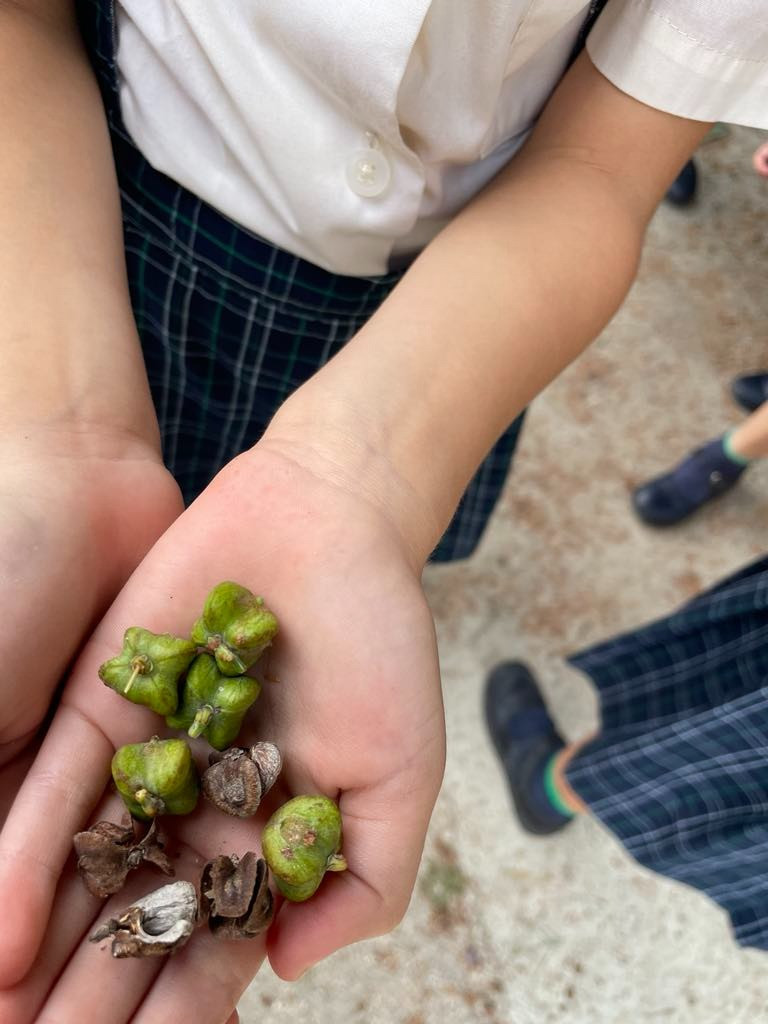
Outdoors, find wild plants that are drying and look for their seeds. Collect a small variety of wild seeds.
Gather the children in a circle or work in pairs and make them manipulate the seeds:
How is each seed different? (some fly, stick, glide, drop heavily…).
Ask:
How does this seed travel?
Discuss how urban plants rely on clever seed dispersal to grow in cracks and corners.
Sort the seeds by type of movement: floating, flying, sticking, dropping, exploding.
2. Draw and label like scientists
Each pair of children is given one type of seed to study closely. Ask them to draw it carefully and label any features that help it move (e.g. fluff, hooks, wings) and encourage use of precise observation words like “papery,” “spiky,” “hooked,” “feathery.”
Optional: Use a magnifier for detail.
3. Create a seed-inspired sculpture
Challenge the children to invent their own imaginary wild seed, using craft materials or natural items.
It must be able to move in one of the ways they've learned (fly, stick, roll, etc).
After building it, the children will name it (e.g. “Sky Spinner,” “Stickball,” “Floaty Seed”) and display it with a label explaining how it moves and what plant it might come from.
Resources & Equipment Needed
- A small selection of wild seeds (collected safely for plants and children);
- Paper, pencils;
- Magnifying glasses (optional);
- Craft items: paper, string, cotton wool, seed pods, small sticks, glue;
- Space to display drawings and sculptures;
You can download these instructions in PDF by clicking here: Generate PDF
Downloadable Material
Make sure to take photos of:
1. Display of drawings and scupltures2. Class observing different seeds
Learning Outcomes & Curriculum Integration
Sorry but this is currently not available - will be added soon!