Vanishing Homes 3
1. Show your Soil Findings
Plot the results of your soil survey on a bar chart or any other math representation that fits your learning goals.
2. Talk about what you found
Discuss your results and what they mean. Help children notice how much soil in urban areas is covered by tarmac, concrete, or artificial turf. Link this with what they learned in the The Living Soil video and how people’s choices affect the land.
3. Take Action for Soil!
Celebrate your achievements on the class notice board and improve the soil around your school. Here are some ideas based on what you find:
- No Soil at all: Use planters and include mini habitats (see "A Home for Nature" in the Downloadable Materials).
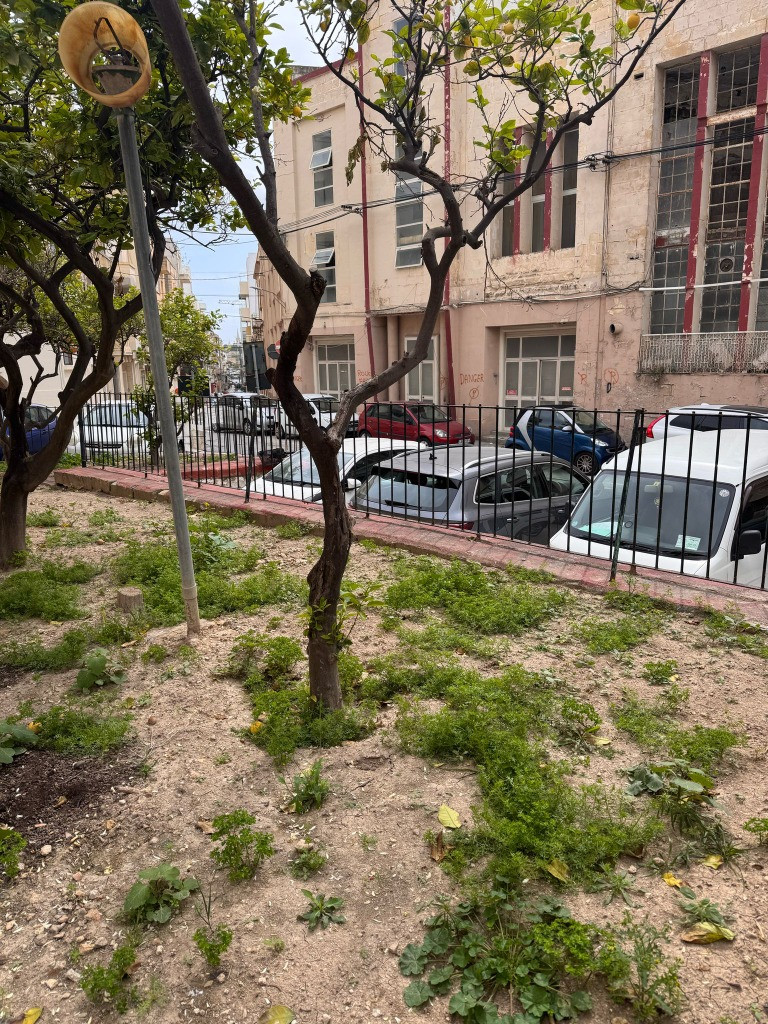
- Small, trampled soil patches: Use children’s gardening tools to loosen and care for the soil. Plant native plants little by little. Label the area to show it’s being cared for.
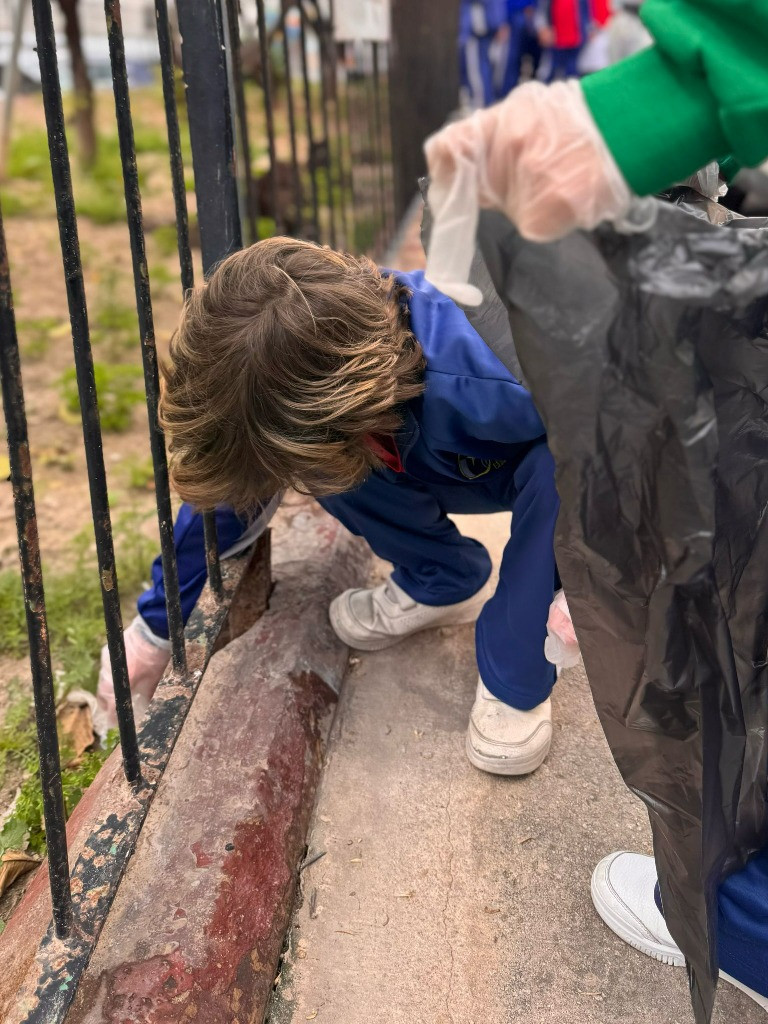
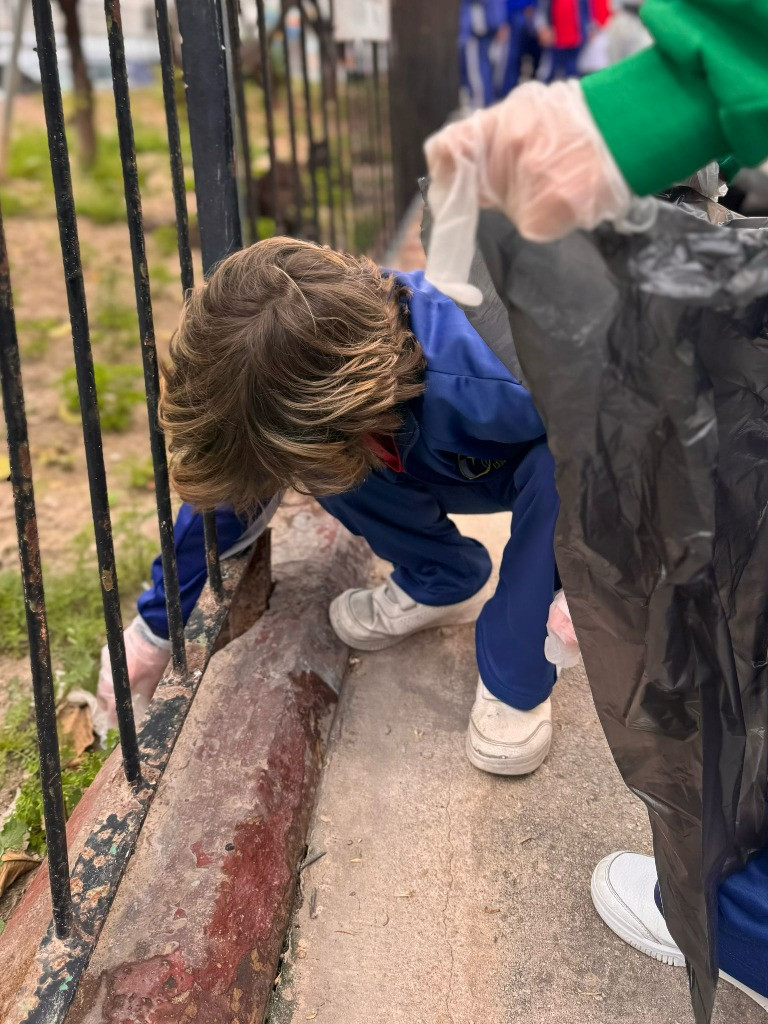
- Littered or already planted soil: Clean it, make an event out of it, and label why the soil is important. Check it regularly.
- Soil under artificial turf: Students can try to convince the school to remove the turf so soil can breathe and support life. If removed, make a planting and care plan.
- Planters without life: Break up the soil and let rain and wildflower seeds bring it to life. Observe the plants and visiting wildlife.
Tip: Not all plants are the same. The best thing for wildlife is to rake and till soil twice a year and let wild plants grow in autumn. If planting, choose Maltese species that need little maintenance and can handle heat (see "Maltese flowering plants" in Downloadable Materials).
Resources & Equipment Needed
- Clipboard;
- Pens/pencils;
- Native flowering plants – optional (may be available from BirdLife Malta – contact [email protected]);
You can download these instructions in PDF by clicking here: Generate PDF
Downloadable Material
Activity Sheet_Vanishing homes 3
PDF Document
A home for nature
PDF Document
The Living Soil
YouTube Video
Maltese flowering plants list
PDF Document
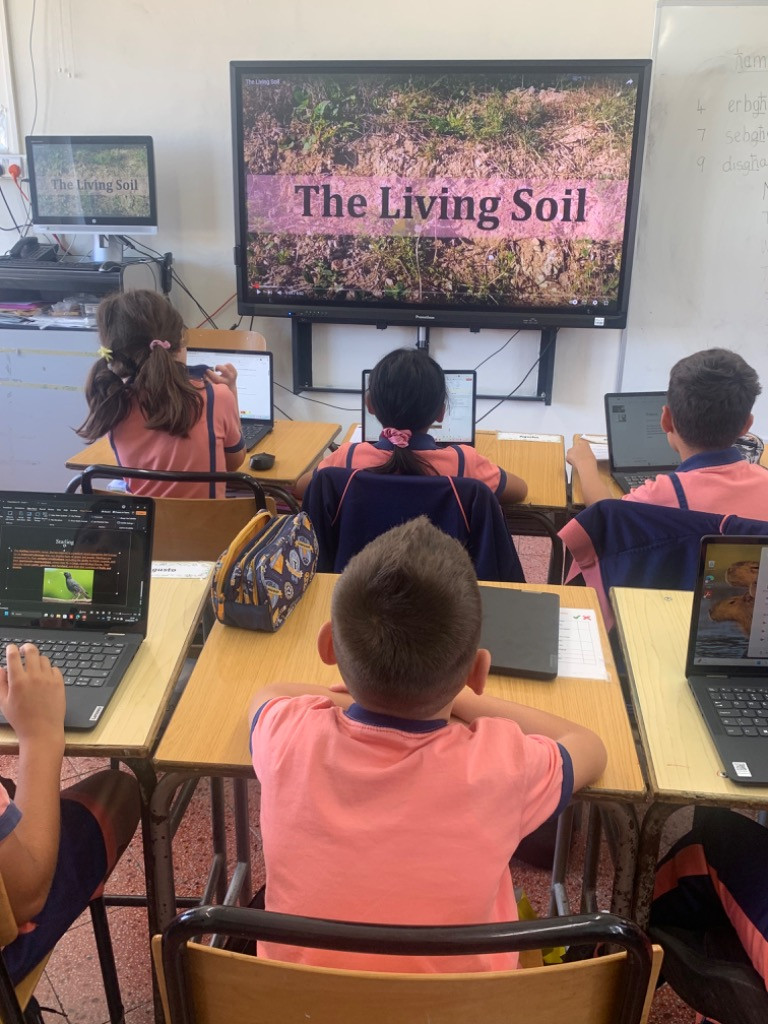
Make sure to take photos of:
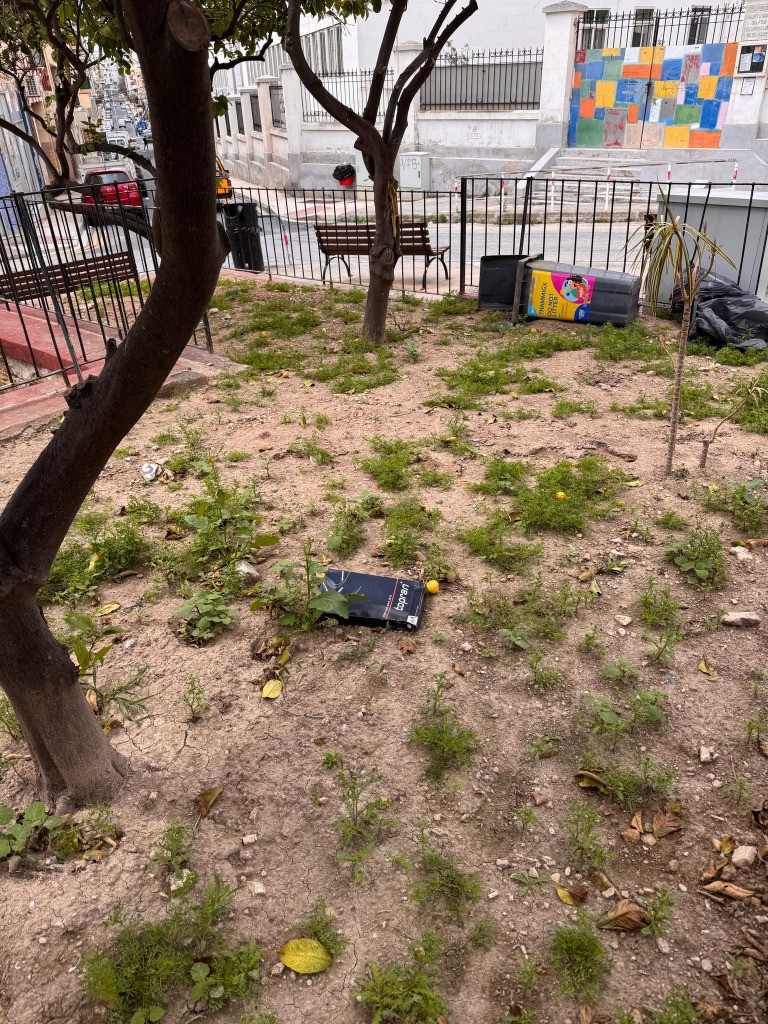
1. Children watching the Living Soil video2. Your soil area before, during, and after your action
Activity Photos for Inspiration
Learning Outcomes & Curriculum Integration
Subjects
- - Science
- - Maths
Learning Outcomes
Science
5.1.1 I can ask questions about the world around me.
5.1.5 I can record observations in a simple format.
5.1.6 I can make simple conclusions from my direct observations and link these using scientific terms.
5.1.16 I can take some decisions while working on an experiment in a group.
5.7.2 I can understand the importance of soil to support life.
5.7.4 I can find out about the effects of human intervention can have on natural habitats and the organisms that live there including over-development, deforestation, trespassing and pollution.
Maths
6.7.3 I can construct a frequency table using a tally column.
6.7.6 I can read and interpret a bar chart.
6.7.5 I can construct a bar chart.
6.7.7 I can read and interpret a pictograph where the symbol represents a number of units.
6.7.8 I can draw a pictograph where the symbol represents a number of units.
Integration with Curriculum
Suggestions for teachers:
1. This lesson could be integrated with the Maths lesson. If the learning outcomes to construct bar charts/pictographs are covered already it could serve as revision. This activity is ideal as a hands-on activity.
2. Students can be encouraged to do the same at home if they have areas with soil in planters.
3. Students can create seed bombs to try and give life to soil with no life.