Garden Friends 3
1. Start with a Discussion
Gather the children in a circle, indoors or outdoors. Ask what they expect to find in the garden or soil patch to focus their attention on relationships in nature. You may also use the "Visuals photos" and the "Visuals presentation" from the Downloadable Materials to start the conversation.
2. Explore Outdoors
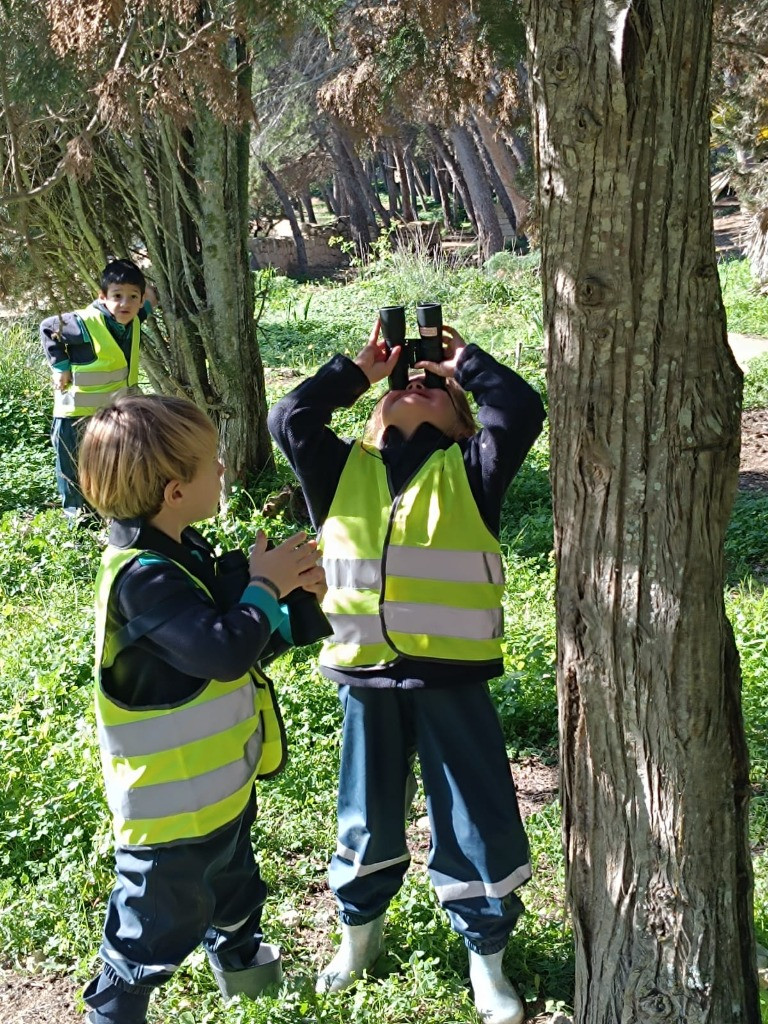
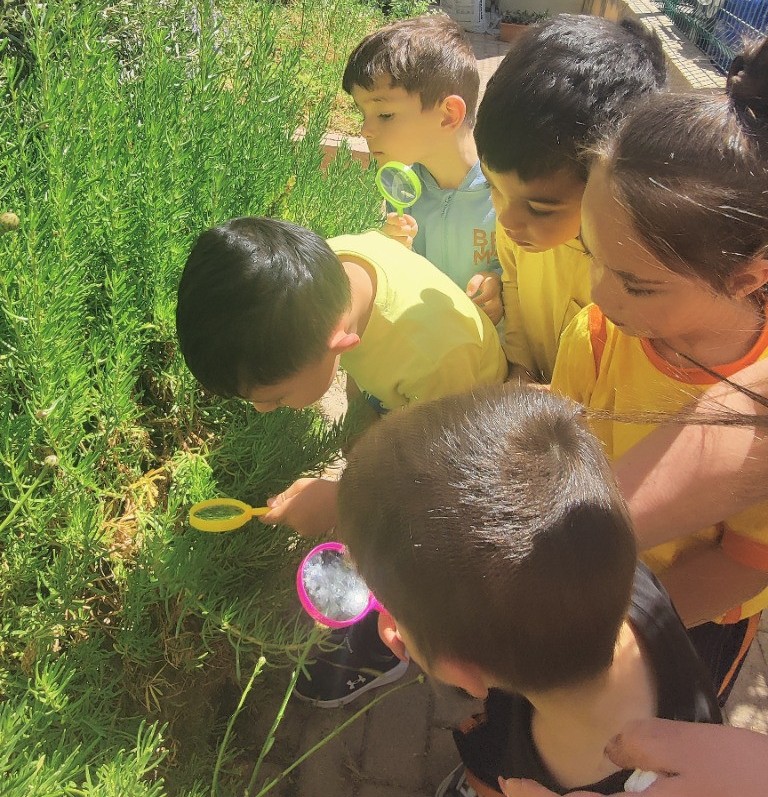
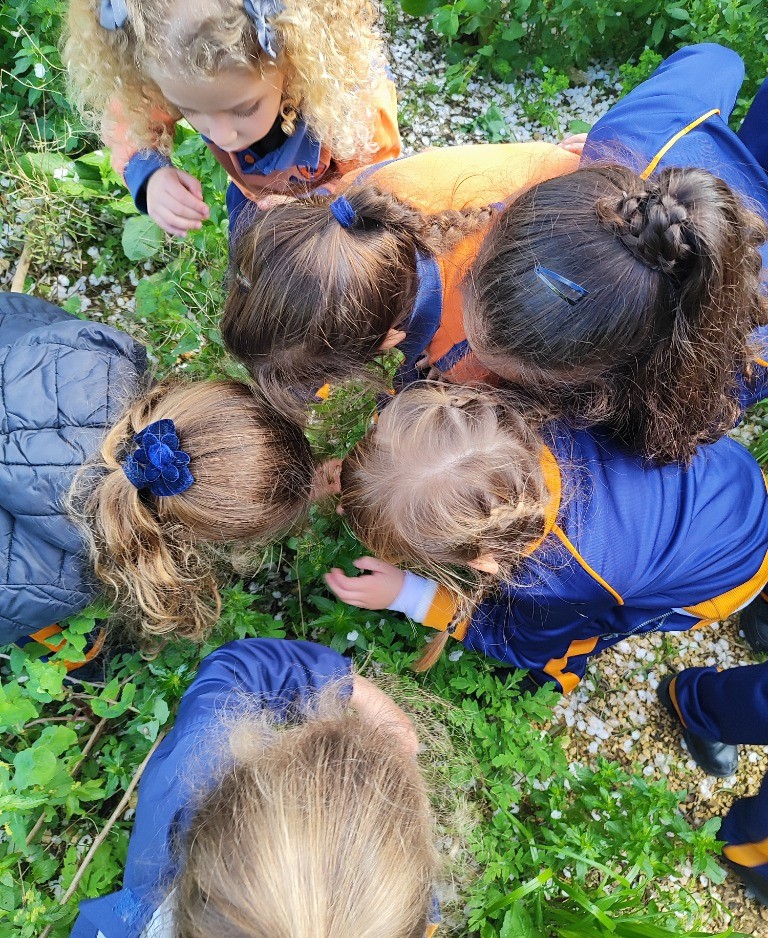
Use the school’s soil patch, garden, or planters. If these are not available, organise an outing and turn it into a Dinja Waħda morning. Give children magnifying glasses to observe nature more closely.
3. Look for Nature Links
Encourage children to notice how plants and animals interact. Examples include:
- An ant climbing a tree – it needs what the tree provides;
- An ant carrying a seed – the plant depends on ants to bury seeds;
- Ants following each other – sisters helping each other;
- A bird singing – sending messages to other birds;
- A butterfly or bee on a flower – taking nectar while pollinating;
- A beetle among dry leaves – eating leaves to enrich the soil;
- A spider’s web – catching insects and keeping balance in nature;
- A bird pecking among leaves – eating insects and cleaning parasites;
- Aphids sucking sap – feeding while becoming part of food chains;
4. Record and Represent
Decide how children will show one of the links they found. Provide materials for drawings, cut-outs, or models. Take photos of the links they discover, letting children suggest what to photograph.
Important! When exploring, avoid damaging nature. Stick to paths and keep voices low.
5. Reflect Together
After the walk, sit with the children and talk about what they observed. Ask questions like:
“Why do you think the ant was carrying that seed?”, “How does the butterfly help the flower?”
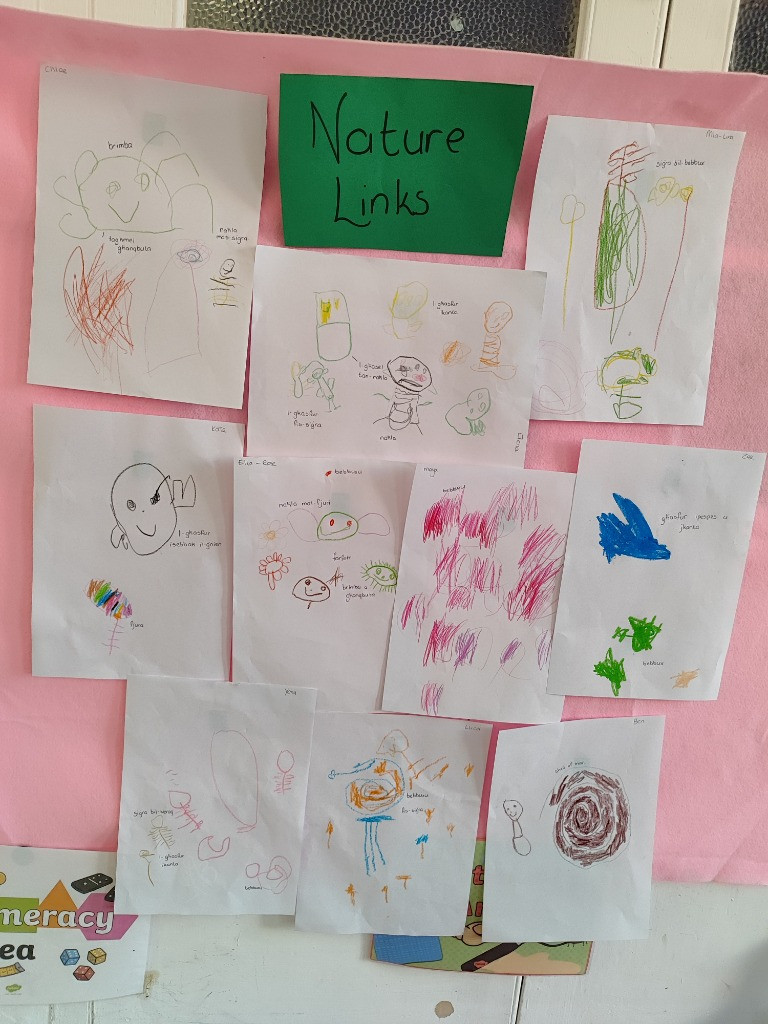
6. Create a Class Display
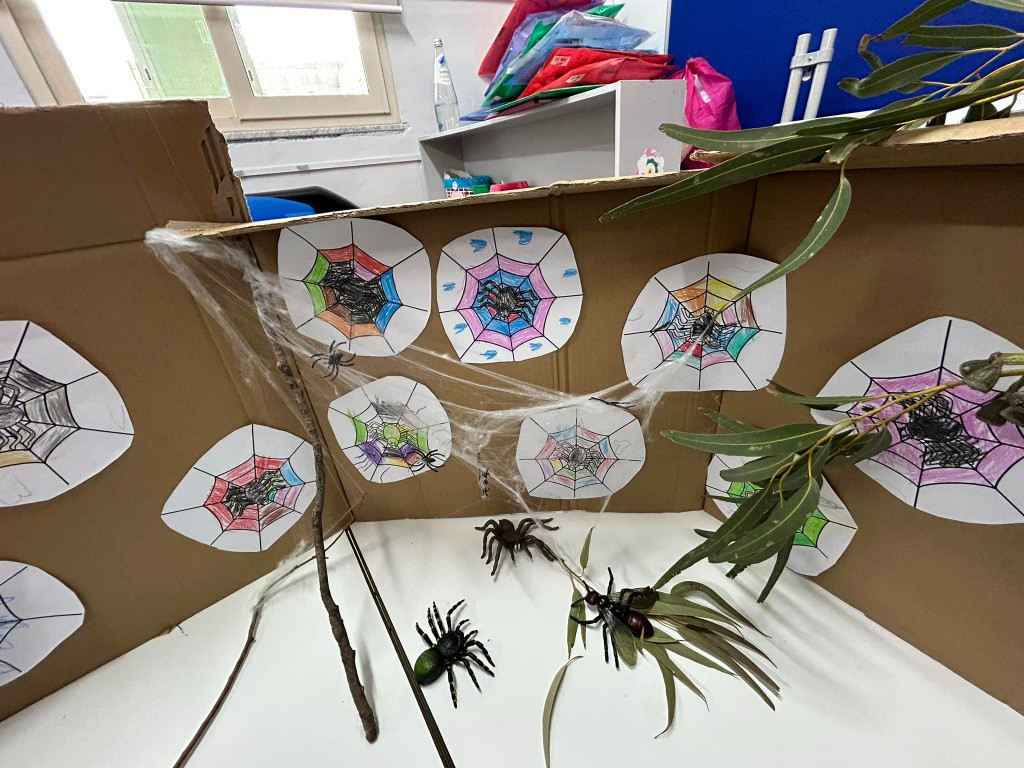
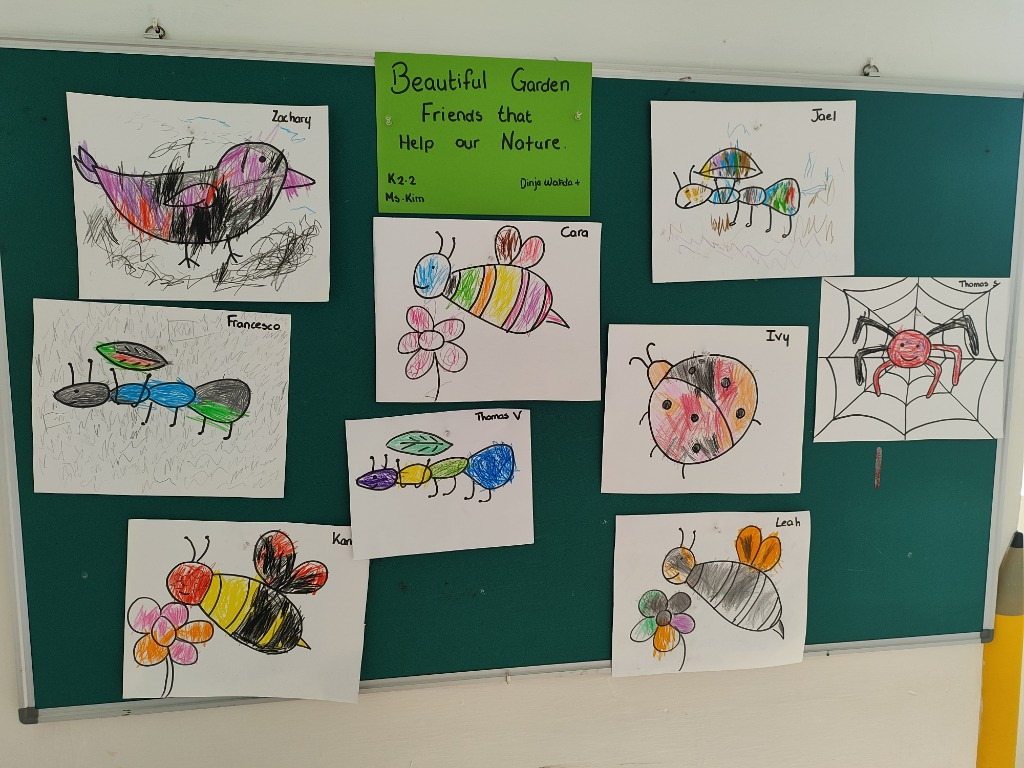
Make a display of the children’s nature links and choose a title together. Options include:
- A “Nature Journal” with photos, drawings, and descriptions;
- A large class mural showing the different links observed;
Extra Activities
Literacy: Read picture books that explore nature relationships, e.g. The Very Busy Spider or The Tiny Seed by Eric Carle (a dramatized version is available on Youtube);
Resources & Equipment Needed
- Materials for creating a display of observations;
- Art and craft supplies of your choice;
You can download these instructions in PDF by clicking here: Generate PDF
Downloadable Material
Activity Sheet_Garden friends 3
PDF Document
Visuals photo
PDF Document
Visuals presentation
PDF Document
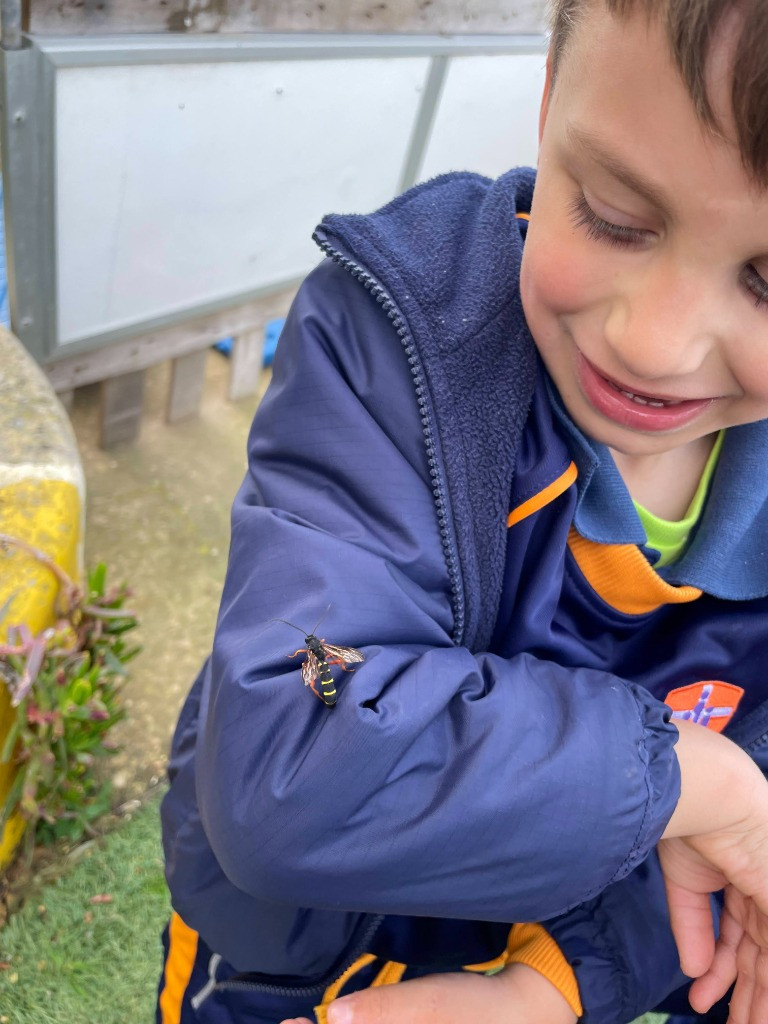
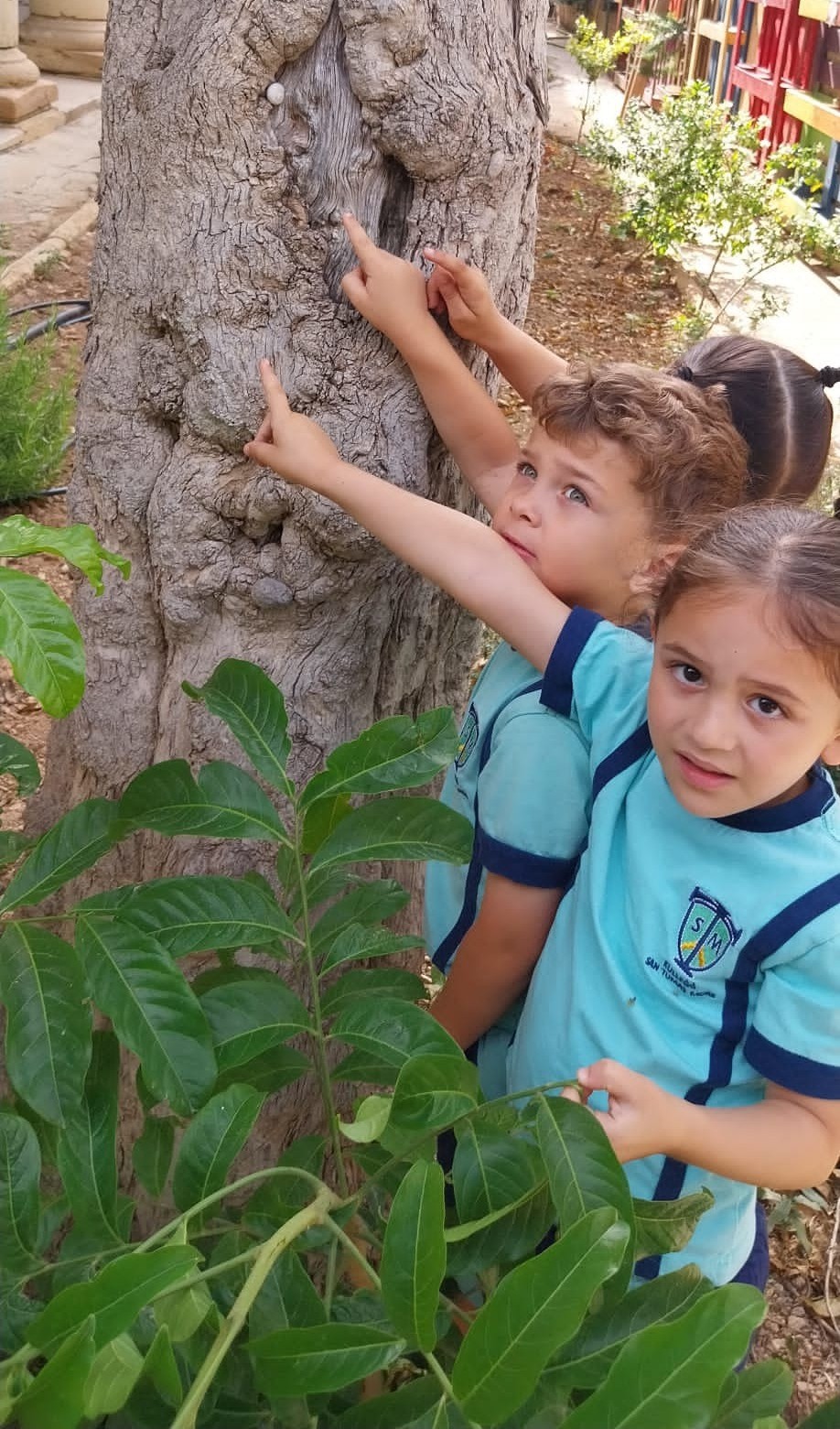
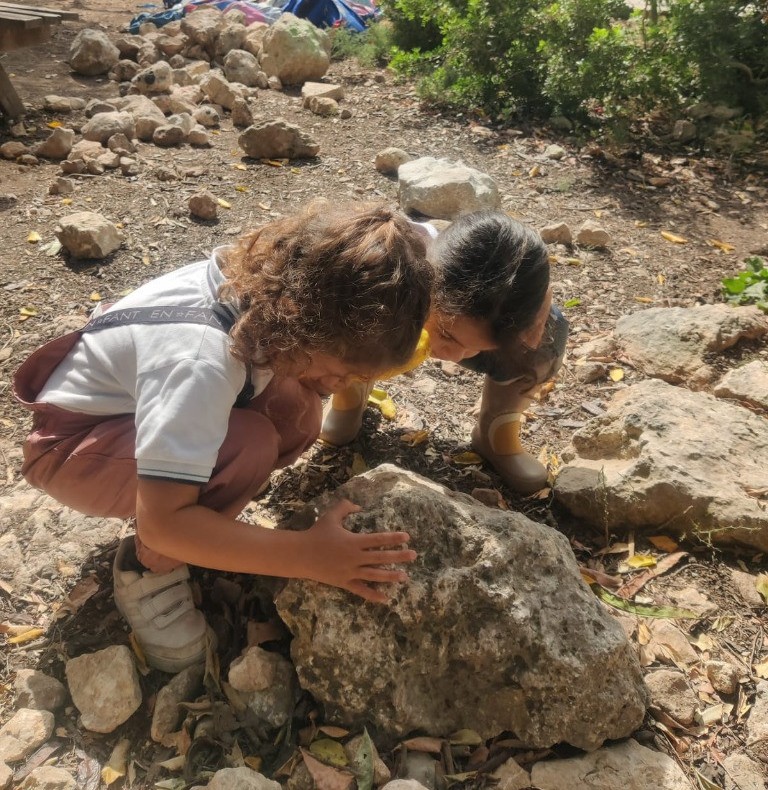
Make sure to take photos of:
1. Children looking for nature links2. The nature links display
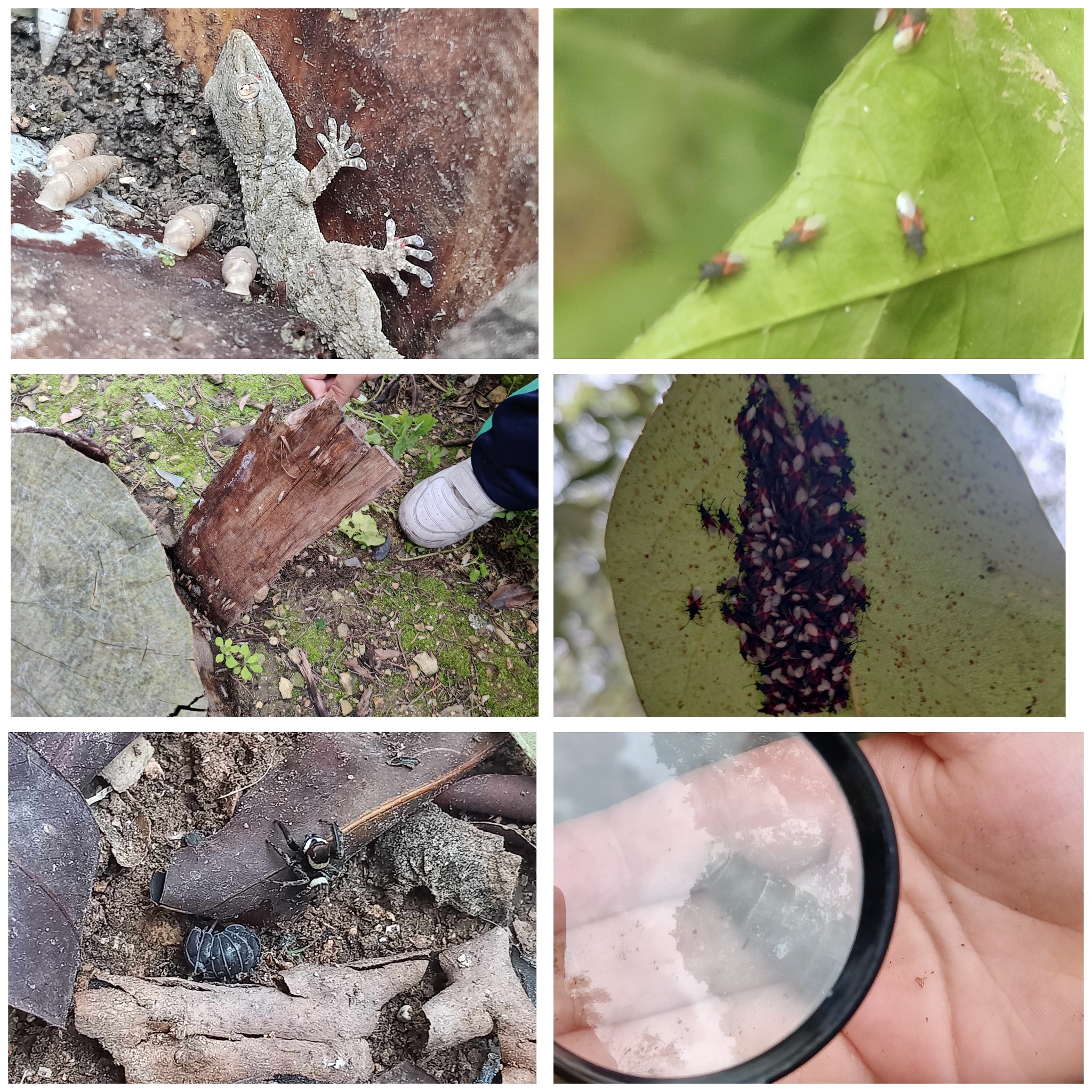
Activity Photos for Inspiration
Learning Outcomes & Curriculum Integration
Subjects
- - Emergent Curriculum
Learning Outcomes
Garden and Me 3 Learning Outcomes
1) Children who develop a strong sense of identity
|
1.2 Children who develop a sense of independence and autonomy. |
5. I explore opportunities to test my abilities |
|
|
6. I know that there are consequences if I do not respect the rules. |
|
|
8. I make good use of resources to complete given tasks. |
2) Children who have a positive self-image
|
2.1 Children who believe in themselves fully aware of their potential and capabilities |
1. I interpret my ideas creatively e.g. through art, music, movement, play. |
|
3. I explore my immediate environment using different approaches. |
3) Children are socially adept
|
3.1 Children who are capable of establishing relationships with others. |
1. I actively interact with others in games and activities. |
|
2. I understand I need to negotiate with others about shared activities and act accordingly. |
|
|
4. I take turns and share ideas when working collaboratively in a group. |
|
|
3.2 Children who develop empathy, respect and acceptance of different points of view |
2. I am able to express my opinion and listen to the opinions of others. |
4) Children who are effective communicators
|
4.1 Children who are capable of using different forms of media for communication. |
2. I listen attentively and respond appropriately in L1 an L2 |
|
3. I speak fluently in L1 using a broad sequenced narrative. |
|
|
4. I show increasing knowledge and skill in using a range of media (e.g. pictures, printed material) to convey meaning. |
|
|
4.2 Children who interact and engage with varieties of text and printed material increasing their awareness of purposes/functions. |
4. I retell stories or information from books through conversation, artwork, creative movement, drama, emergent writing, etc. |
|
11. I understand that thoughts and ideas can be represented through words, pictures and images. |
|
|
14. I can make a variety of marks and scribbles. |
|
|
15. I can make basic graphic representations to express my ideas for a particular purpose e.g. scribblings and drawings. |
|
|
4.3 Children who are familiar with symbols and patterns and their use. |
4. I can discriminate between different sounds in my environment. |
|
4.4 Children who are aware of different language systems, notably L1 and L2. |
1. I can use L1 to achieve my communicative goals. |
|
3. I can tell the difference between words in L1 and L2. |
|
|
4.5 Children who engage with digital literacy as a means of retrieving data as well as representing and communicating ideas. |
4. I can use a camera to record my experiences and the world around me. |
5) Children who nurture positive attitudes towards learning and become engaged and confident learners
|
5.1 Children who develop a range of cognitive skills to include labelling/identifying, recognition, sorting, hypothesising, predicting, comparing, sequencing and grouping. |
2. I can predict and think logically, make assumptions and hypothesize, ask questions and reply to open-ended questions |
|
3. I can make connections between experiences, concepts and processes. |
|
|
5.2 Children who develop positive dispositions to include enthusiasm and motivation, curiosity, questioning, concentration, perseverance, imagination, ability to accept alternative suggestions/ criticism. |
1. I show a positive disposition towards learning, am curious and enthusiastic in my learning. |
|
2. I use play to investigate, imagine and explore ideas. |
|
|
5.3 Children who broaden knowledge and reinforce their understanding through availability of and access to various sources of information. |
1. I can broaden my knowledge through enquiry and discovery. |
|
2. I can make connections between the experiences and understandings to make sense of the world around me. |
6) Children who develop appropriate physical skills
|
6.1 Children who develop control and coordination of larger movements.
|
4. I can move around with control and coordination. |
|
5. I can balance well on each foot for a few seconds. |
|
|
6.2 Children who develop control and coordination of smaller movements. |
3. I can manipulate a pair of scissors to cut various materials, e.g. playdough, straws, paper. |
|
4. I have developed the use of a dominant hand. |
|
|
5. I can hold a marking tool using the correct tripod grasp, e.g. paint brush, crayon, pencil. |
|
|
7. I can make creative representations of experiences, stories and events, e.g. drawings, paintings, collages. |
Integration with Curriculum
|
Activity |
Topic |
Proposed Time |
Resources |
|
Garden Friends 3 |
· Nature · Garden · Insects |
· All Year round |
· Magnifying glasses · Paper & colours to record observations · Visual photos from Resource File · Materials for creating the display
|