My Special Friend 3
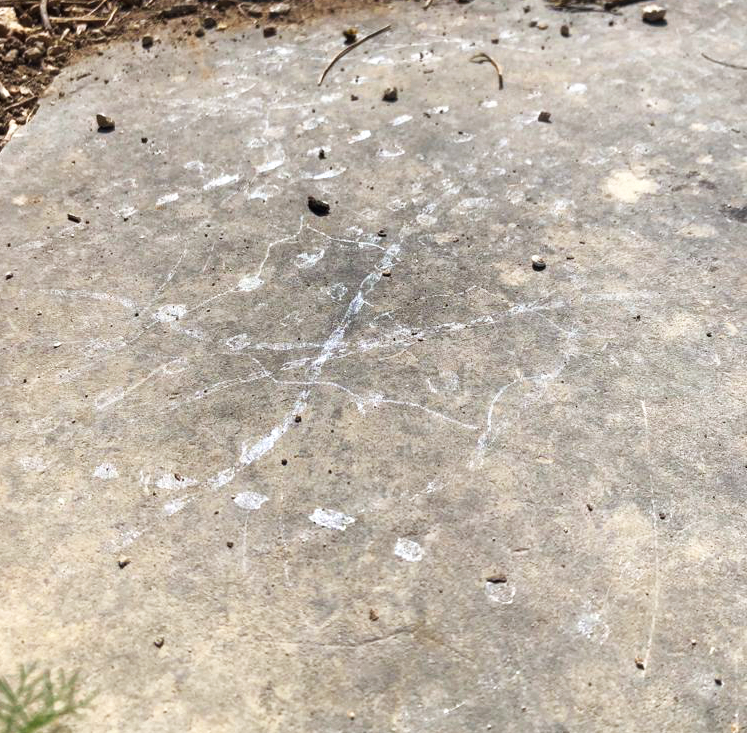
Do this after rain or in the early morning when snail trails are visible.
1. Go Outside After Rain
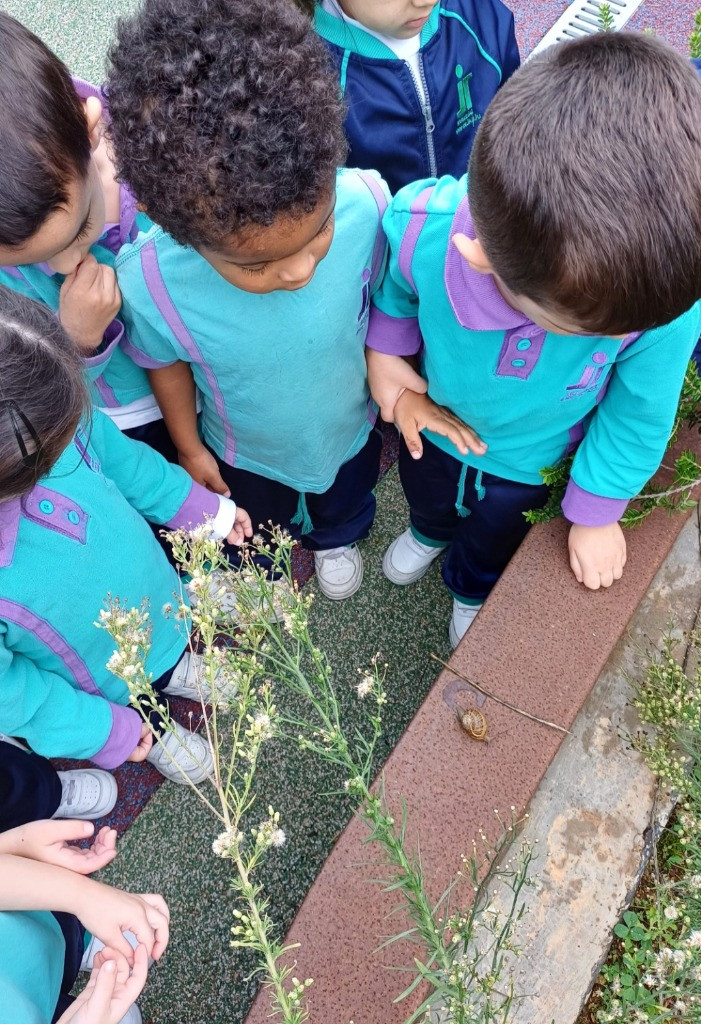
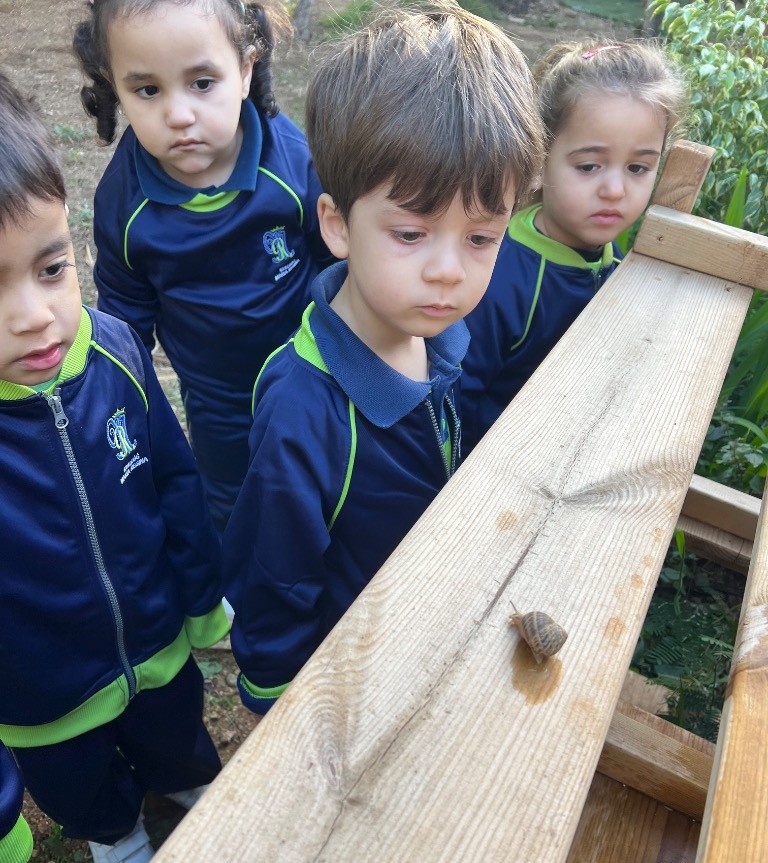
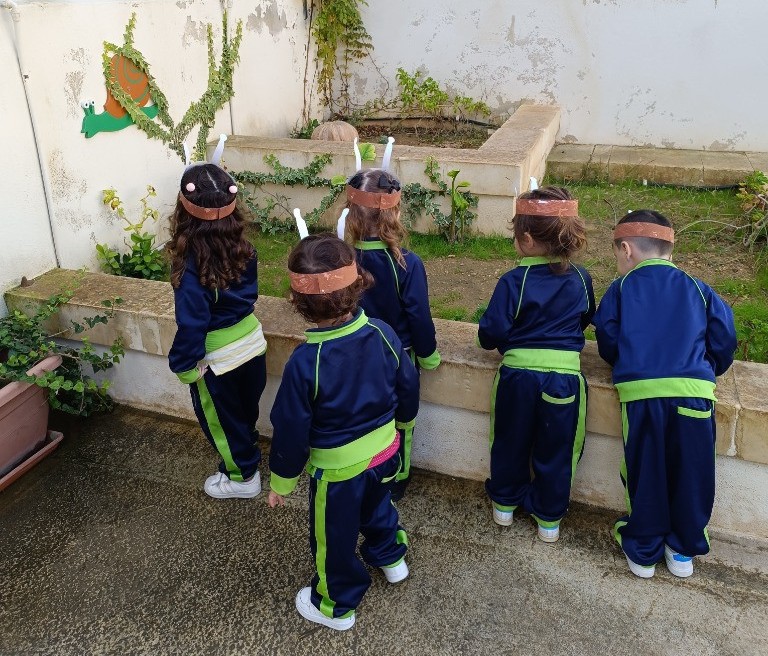
Take children to a soil area, near pots or planters. Look for snails and their trails; you can find a "Snail trail picture" in the Downloadable Materials. Instead of picking them up, ask questions:
“How do snails move? What are their feelers for?” (Explain that feelers help them sense touch and danger. If touched, snails hide in their shells, just like we hide when scared).
“Why do the trails twist and turn?” (Guide children to see that snails feel their way as they move).
“What are they looking for?” (Most probably food or a damp place to rest).
2. Visit Again
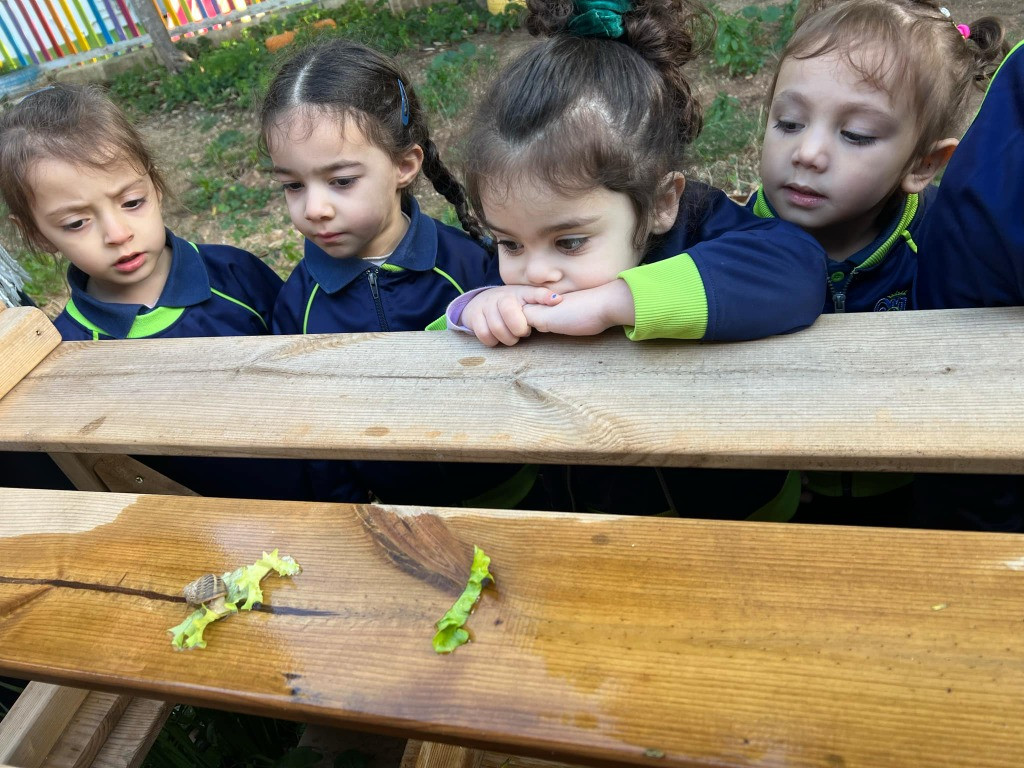
Leave a small pile of vegetables (like lettuce or tomato) and return later. Can you see trails leading to and from the pile? Even in dry weather, you might find signs that snails were there at night. Help children learn that snails are nocturnal.
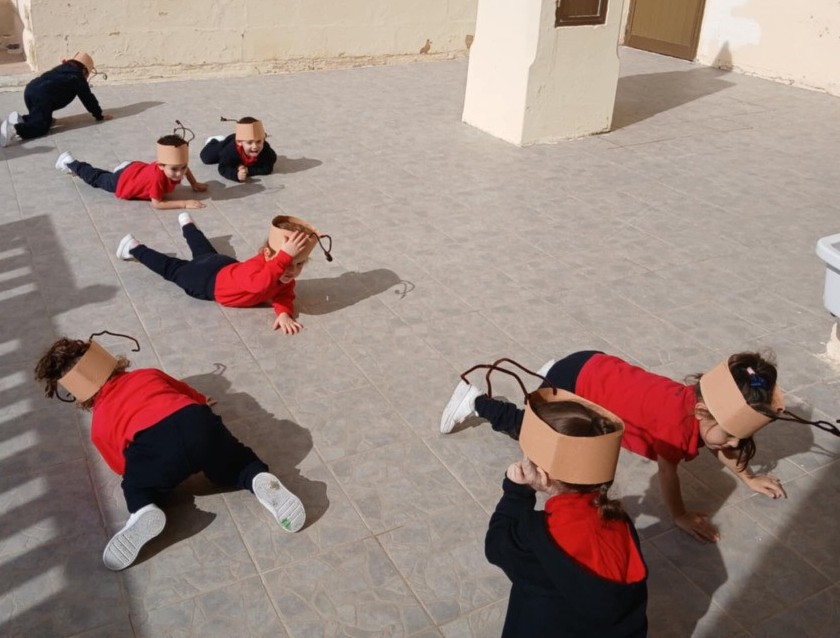
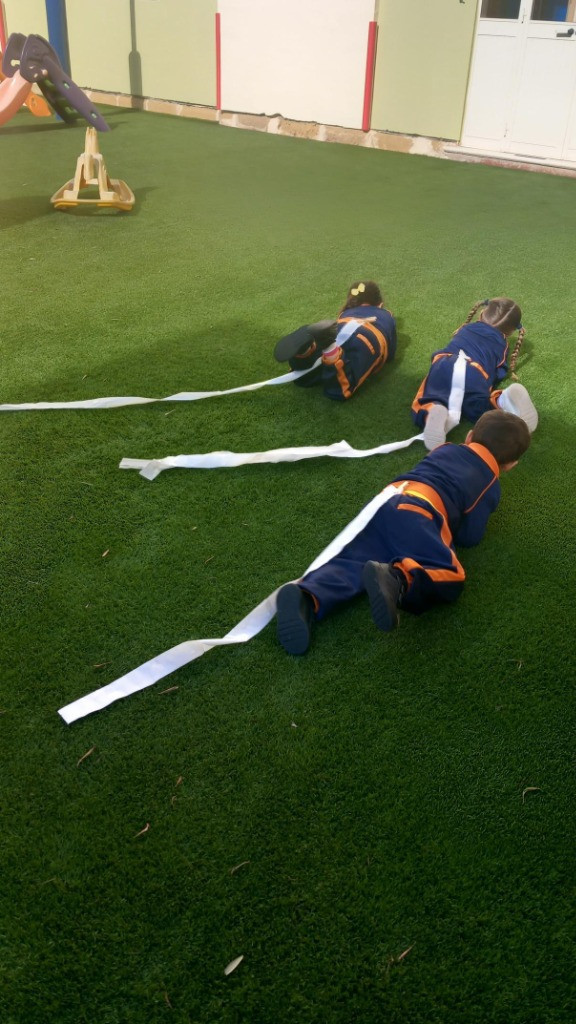
3. Act it Out
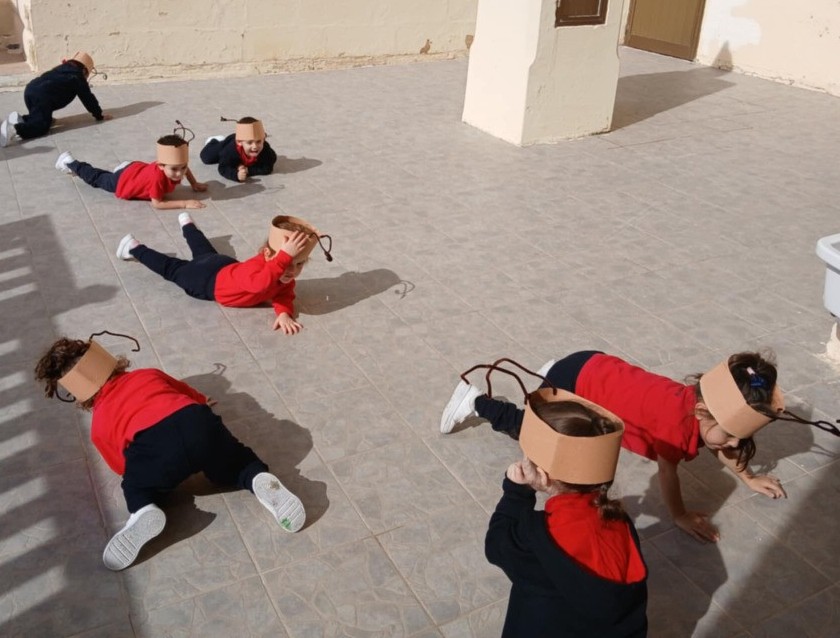
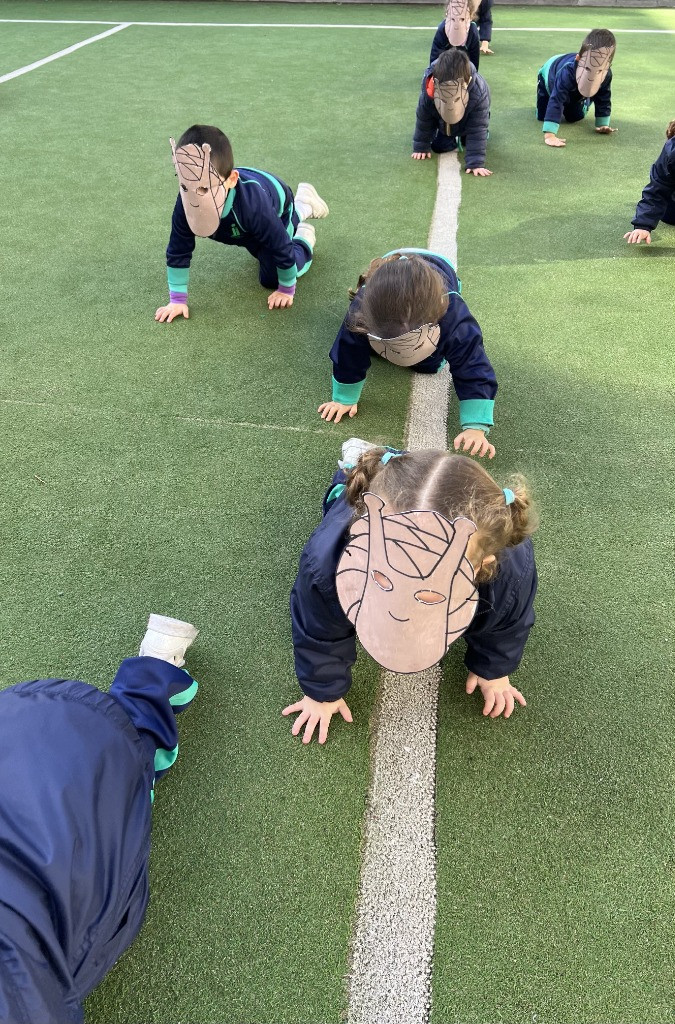
Find a space for the children to move like snails. Use chalk to draw curvy lines for them to follow. This helps them explore movement and build gross motor skills.
Important! Always observe snails in their natural environment. Never bring them indoors. Children should learn to respect all living creatures, not treat them as toys.
Resources & Equipment Needed
- Vegetable matter
- Something "snail inspired" to help kids in the movements (optional)
You can download these instructions in PDF by clicking here: Generate PDF
Downloadable Material
Activity Sheet_My special friend 3
PDF Document
Snail trail
PDF Document
Make sure to take photos of:
1. Children looking for snail trails2. Children making snail movements
Activity Photos for Inspiration
Learning Outcomes & Curriculum Integration
Subjects
- - self identity
- - self image
- - socially adept
- - communicators
- - attitudes towards learning
Learning Outcomes
My Special Friend 3 – Learning Outcomes
1) Children who develop a strong sense of identity
|
1. 1 Children who develop in a safe, secure environment which they can trust. |
4. I feel safe and confident to explore my environment. |
|
5. I participate in activities and interactions in the setting I am in |
|
|
6. I respond to being called by my name. |
|
|
1.2 Children who develop a sense of independence and autonomy. |
3. I feel confident to explore new experiences in a supervised environment. |
2) Children who have a positive self-image
|
2.1 Children who believe in themselves fully aware of their potential and capabilities. |
2. I show interest in my immediate and wider environment. |
|
3. I am confident in taking up opportunities to be creative and imaginative. |
|
|
2.2 Children who develop positive attitudes which enable them to take the initiative and become risk- takers. |
1. I am competent and confident to ask questions and make discoveries |
|
|
2. I am motivated to engage with a range of learning opportunities present in my environment. |
3) Children are socially adept
|
3.1 Children who are capable of establishing relationships with others |
5. I can collaborate to achieve shared goals during play |
4) Children who are effective communicators
|
4.1 Children who are capable of using different forms of media for communication. |
1. I respond to interactions with a repertoire of communicative acts e.g. gestures, vocalization and other verbal means. |
|
4.6 Children who are versatile with the use of numbers, data handling, shapes and measurement and print in context as a means of production of knowledge and information as well as meaning making and comprehension. |
6. I understand simple concepts e.g. shape and size. |
5) Children who nurture positive attitudes towards learning and become engaged and confident learners
|
5.1 Children who develop a range of cognitive skills to include labelling/identifying, recognition, sorting, hypothesising, predicting, comparing, sequencing and grouping. |
2. I remember and anticipate simple sequences |
Integration with Curriculum
|
Activity Name |
Resources |
Proposed Time |
Topic |
|
My Special Friend 3 |
|
Term 1 / Beginning of Term 2 Do this activity after a rain shower or in the early morning, as otherwise you will not see snail trails |
Snails- Physical Activity |