My Special Friend 1
1. Story time: My Special Friend
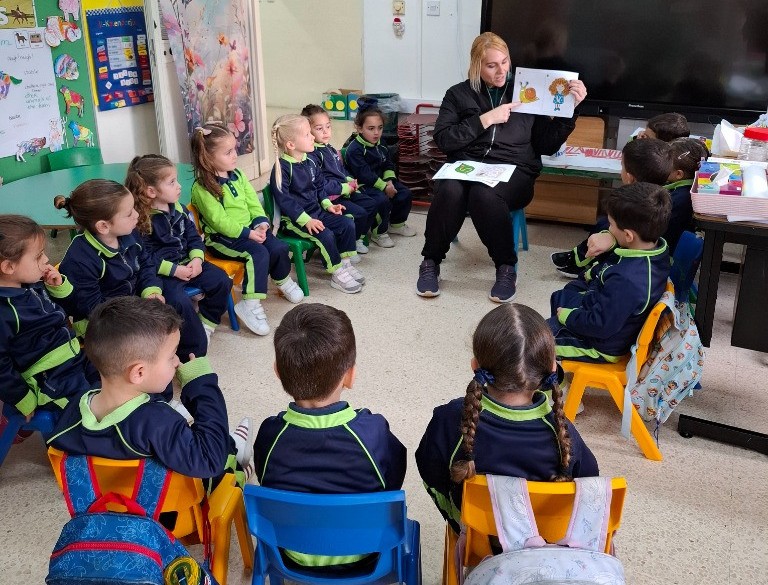
Use the story "My Special Friend/ Ħbieb tal-Qalb" (Downloadable Materials) as the starting point. Decide how you’ll read it and encourage discussion of key themes while learning about snails. Children should understand:
- Sleeping snails must not be disturbed. They sleep when the weather isn’t right for them.
- A snail’s body must stay wet to breathe through its skin.
- When sleeping, a snail seals itself inside its shell to stay moist and safe.
- Pulling a snail off a surface can break this seal, causing it to dry out and die.
- Snails leave a trail to help them move and find their way back.
- Moving dries them out, so they come out at night or in wet weather.
Important! Always observe snails outdoors. Don’t bring them into the classroom, animals shouldn’t be handled for our convenience!
2. Extend learning through sequencing and creative activities:
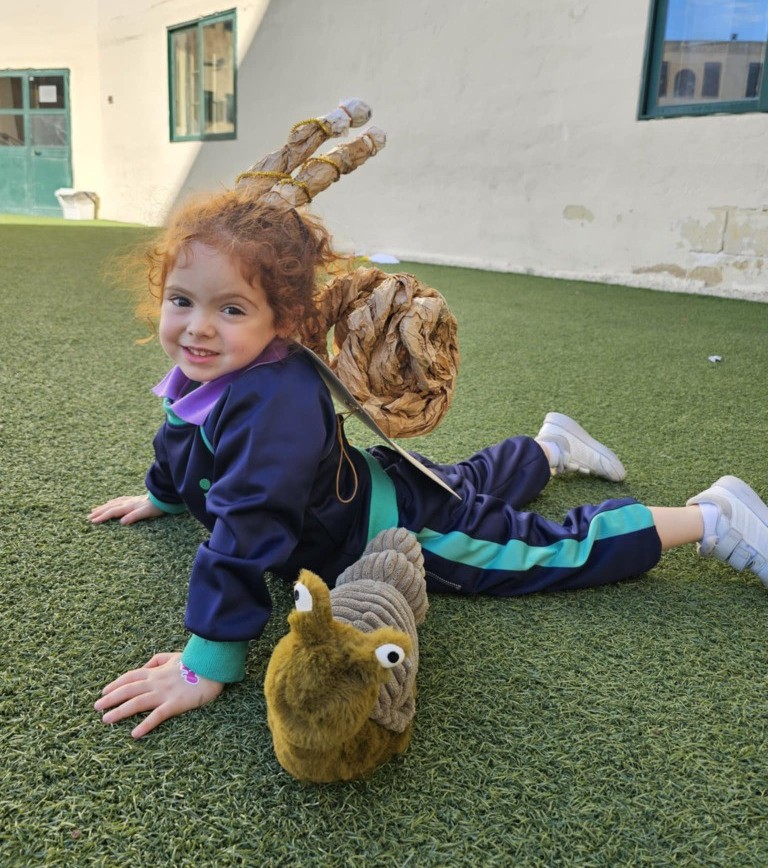
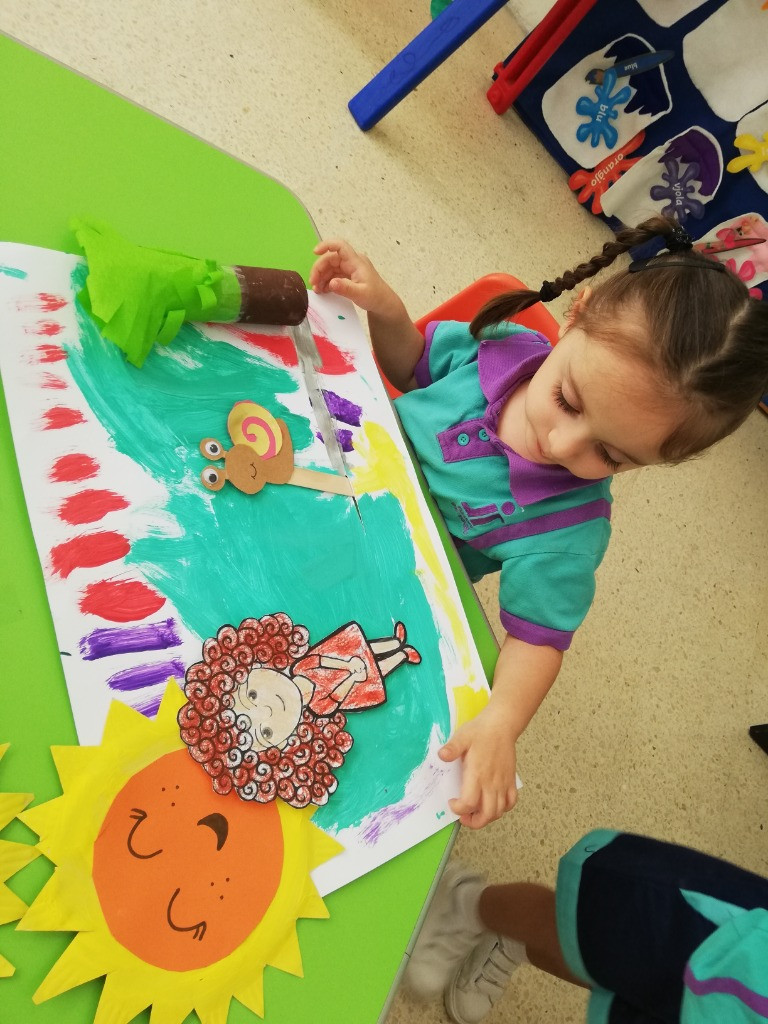
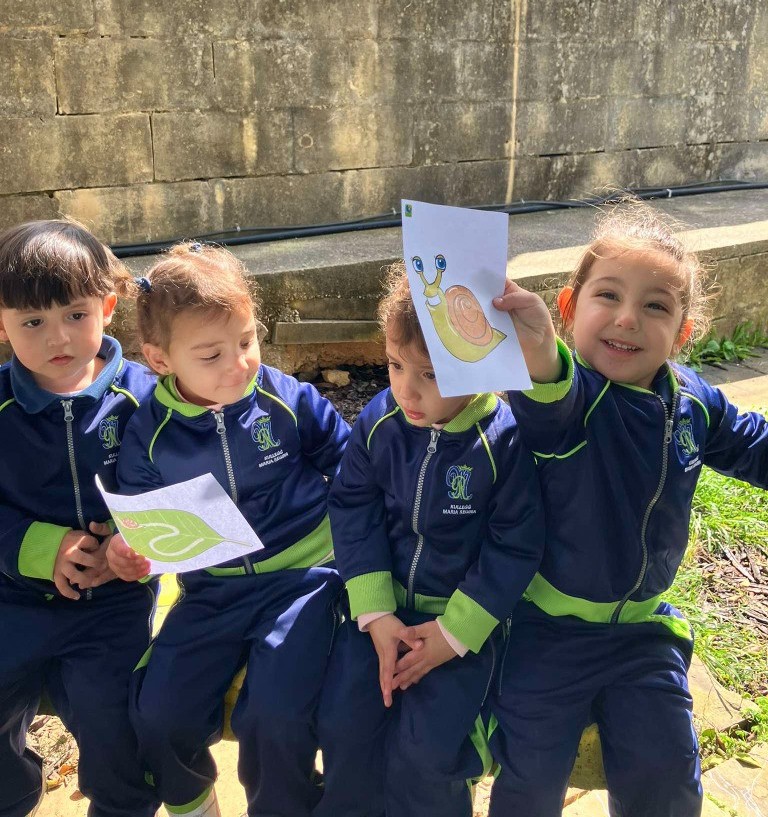
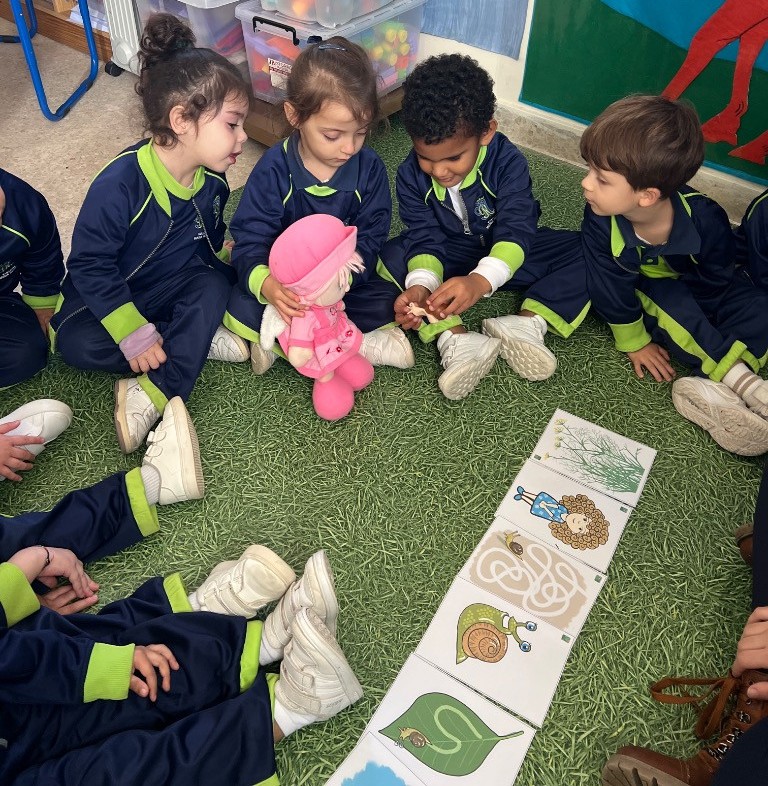
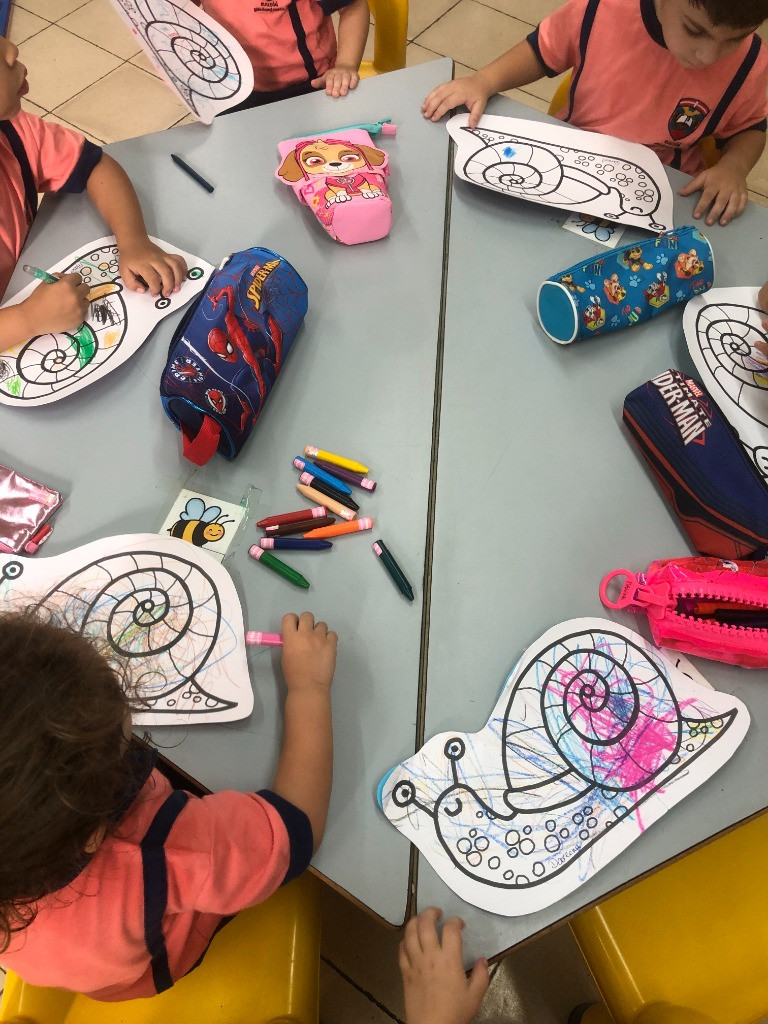
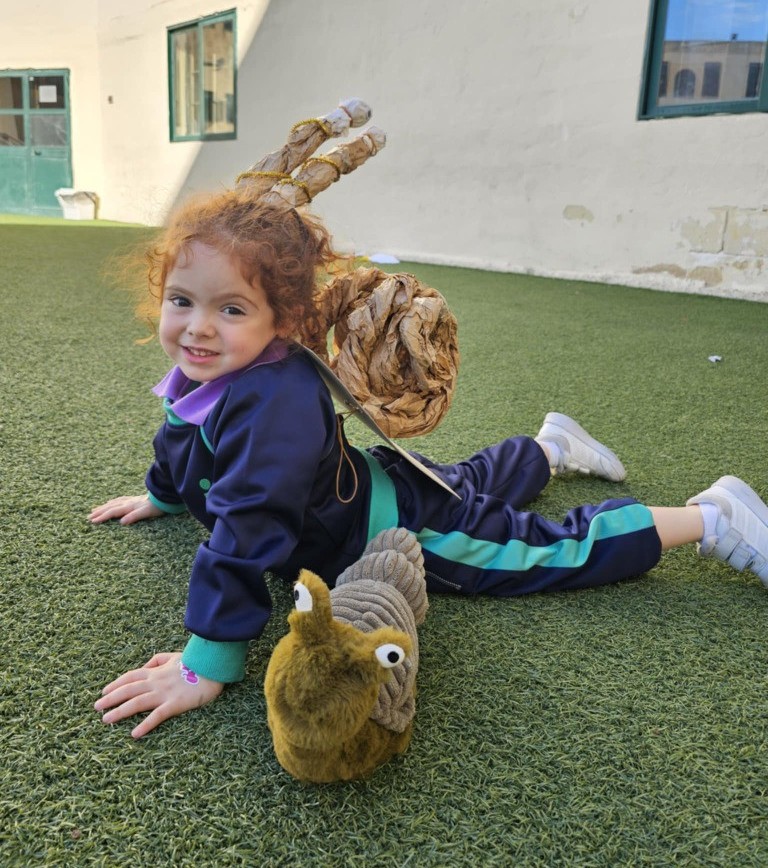
You can use storyboards or "Story cards" (Downloadable Materials) to retell the story in sequence. While doing this, act it out, draw scenes, or create character puppets to bring the story to life. Allow the children to dramatize the story using the materials you have created.
Optional extra activities:
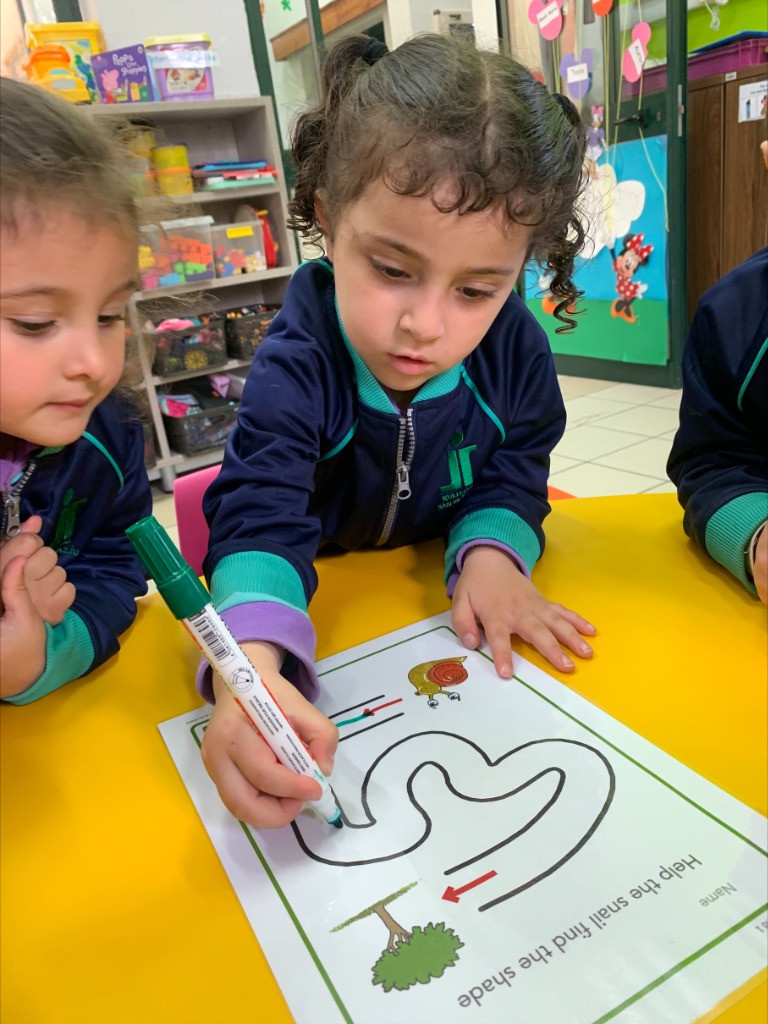
- Maze and follow the path ("Snail finds shade" – (Downloadable Materials)
- Collect leaves to trace the letter S
- Go on a letter hunt in the garden (e.g., sun, sky, snail, soil, seeds, sparrow)
What if?...
If children ask about snail pellets or others:
- Snails help break down dead plants, enriching the soil.
- Snail pellets are banned for home use; they kill snails slowly and cruelly.
- Use crushed eggshells around plants to keep snails away, they won’t cross them.
Resources & Equipment Needed
- Story cards;
- Any props or materials you create;
- Art and craft supplies of your choice;
You can download these instructions in PDF by clicking here: Generate PDF
Downloadable Material
Activity Sheet_My special friend 1
PDF Document
My special friend story (EN and ML)
PDF Document
Snail finds shade maze
PDF Document
Story cards
PDF Document
Make sure to take photos of:
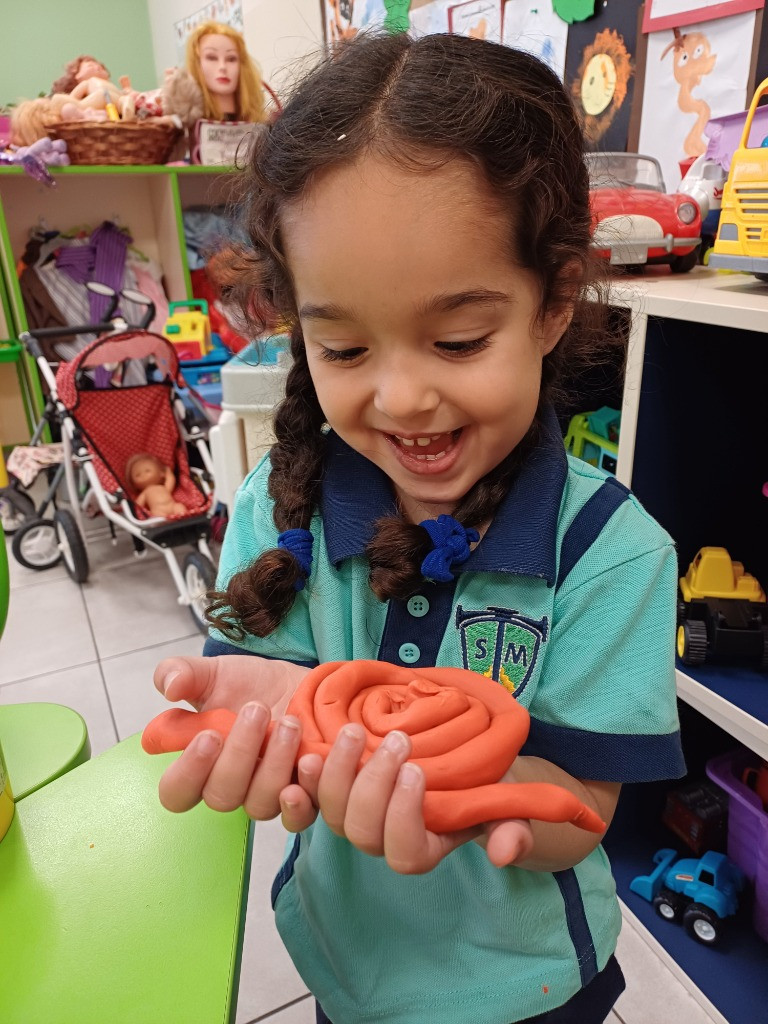
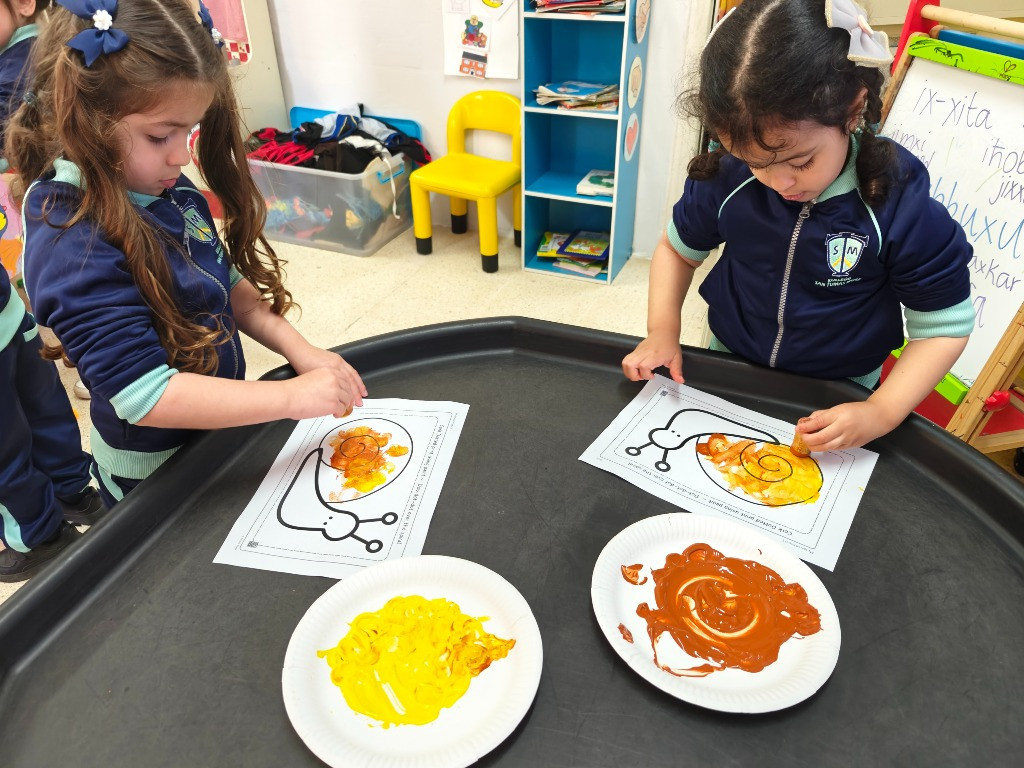
1. Children listening to the story2. Any dramatization/ story sequence/ artwork related to the story
Activity Photos for Inspiration
Learning Outcomes & Curriculum Integration
Subjects
- - self identity
- - self image
- - socially adept
- - communicators
- - attitudes towards learning
Learning Outcomes
My Special Friend 1 – Learning Outcomes
1) Children who develop a strong sense of identity
|
1. 1 Children who develop in a safe, secure environment which they can trust |
2. I can initiate communication through a range of actions e.g. through eye contact, vocalization and other communicative sounds, one-word utterances, simple sentences, etc. |
|
5. I participate in activities and interactions in the setting I am in. |
|
|
10. I can indicate and express how I am feeling. |
|
|
1.2 Children who develop a sense of independence and autonomy. |
I feel confident to explore new experiences in a supervised environment. |
|
1.3 Children who become responsible and resilient in the face of challenges. |
1. I do not give up in the face of challenges but keep on trying to achieve my goals. |
2) Children who have a positive self-image
|
2.1 Children who believe in themselves fully aware of their potential and capabilities. |
3. I am confident in taking up opportunities to be creative and imaginative. |
|
2.2 Children who develop positive attitudes which enable them to take the initiative and become risk- takers. |
1. I am competent and confident to ask questions and make discoveries. |
|
2. I am motivated to engage with a range of learning opportunities present in my environment |
3) Children are socially adept
|
3.1 Children who are capable of establishing relationships with others. |
1. I enjoy being with familiar others. |
|
2. I respond positively to others’ attempt to engage with me e.g. through body language such as eye contact, facial expressions, vocalizations etc. |
|
|
4. I can take turns in interactions. |
|
|
2. I respond positively to others’ attempt to engage with me e.g. through body language such as eye contact, facial expressions, vocalizations etc. |
2. I am caring and show concern towards others. |
4) Children who are effective communicators
|
4.3 Children who are familiar with symbols and patterns and their use. |
2. I make marks with different materials e.g. crayons, finger paint |
|
4.4 Children who are aware of different language systems, notably L1 (first language) and L2 (second language). |
3. I listen to and understand simple stories in L1. |
|
4. I hold simple conversations in L1. |
|
|
5. I listen to and begin to understand simple stories in L2, especially when accompanied by pictures. |
|
|
4.6 Children who are versatile with the use of numbers, data handling, shapes and measurement and print in context as a means of production of knowledge and information as well as meaning making and comprehension |
6. I understand simple concepts e.g. shape and size. |
5) Children who nurture positive attitudes towards learning and become engaged and confident learners
|
5.1 Children who develop a range of cognitive skills to include labelling/identifying, recognition, sorting, hypothesising, predicting, comparing, sequencing and grouping. |
2. I remember and anticipate simple sequences |
Integration with Curriculum
|
Activity Name |
Topic |
Proposed Time |
Resources |
|
My Special Friend 1 |
· Nature and Animals: Garden Creatures · -Life cycle and growth of a snail · Habitats (Where animals live) · Patterns (snail shell) · Friendship |
· Term 1 / Term 2 |
· Story cards · Any other story props you create
|