Robin Watch 2
1. Spotting Robins at school
Robins often appear in urban areas, especially where there are gardens or street trees. From October to March, most schools will host at least one robin spending the winter on our islands. Remind the children what a "Robin’s song" sounds like by playing the recording from the Downloadable Materials.
2. Listening for your school robin
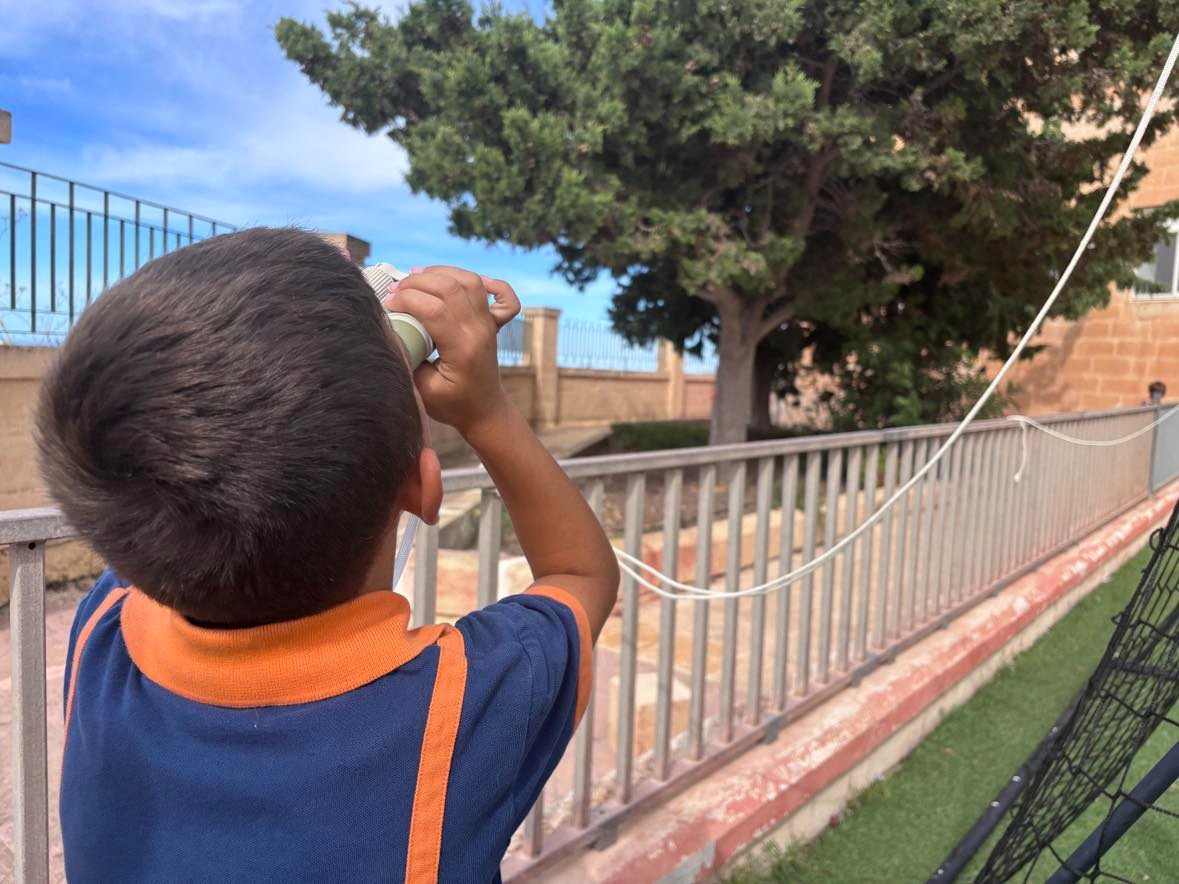
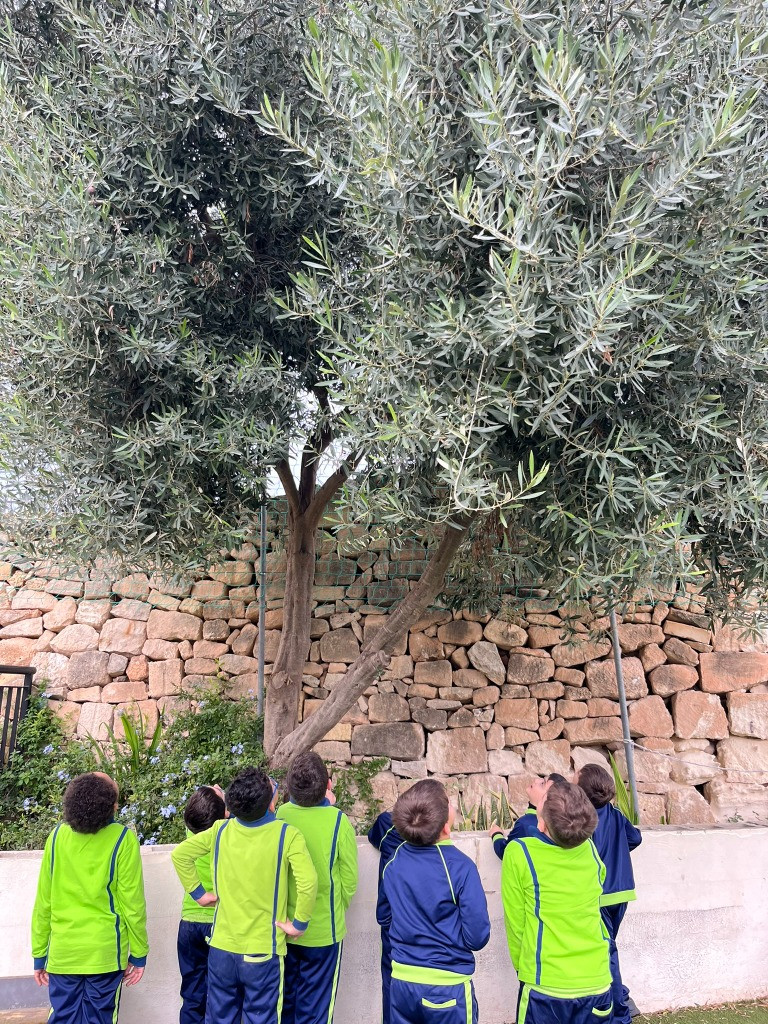
This activity helps children practise careful observation. Take them outside and listen for the robin’s song in your school grounds, especially if you have at least one tree. It’s best to try to hear it yourself before the class activity. Early mornings are ideal, as birds are most active then, while afternoons tend to be quieter. Even if your school has no garden, robins can sometimes be heard singing from nearby street trees.
3. Find the Robin’s favourite spot
Once you confirm your school has a robin, choose the best place to listen, perhaps under a tree in the yard, or even from your classroom window. If you’re lucky, you might also see the robin hopping among branches or flying from tree to tree. Encourage the children to make this a quick daily routine: a few minutes to pause and enjoy your robin’s song.
4. Invite Robins closer
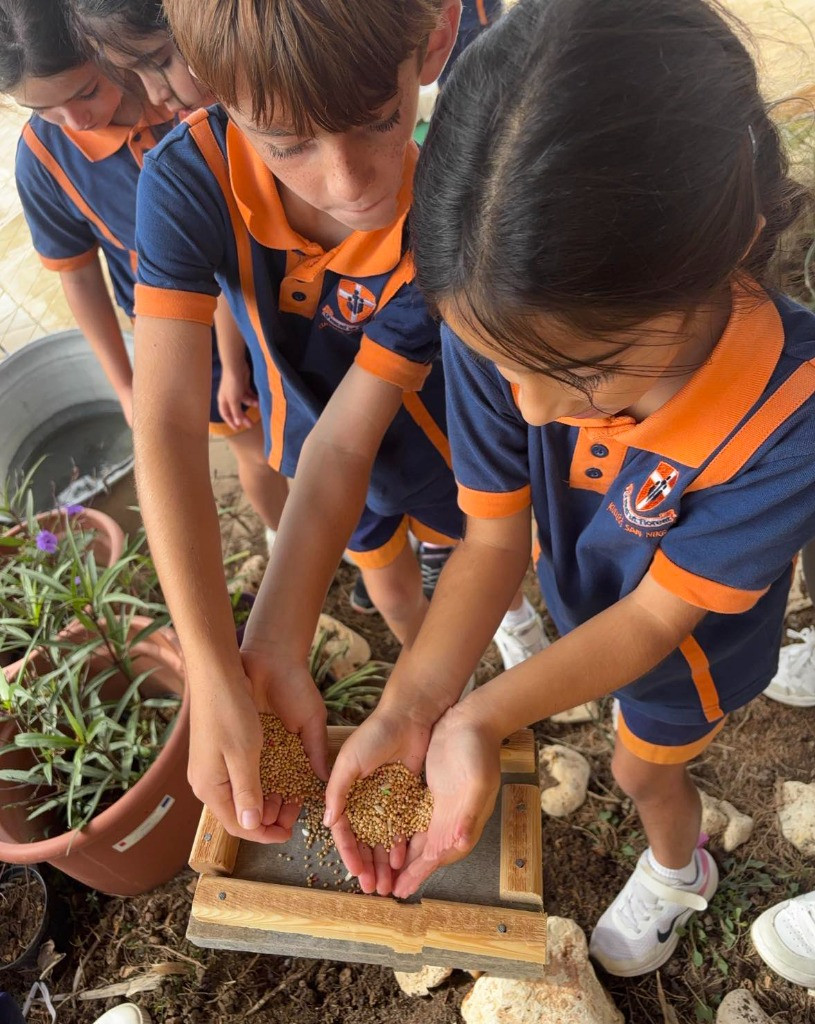
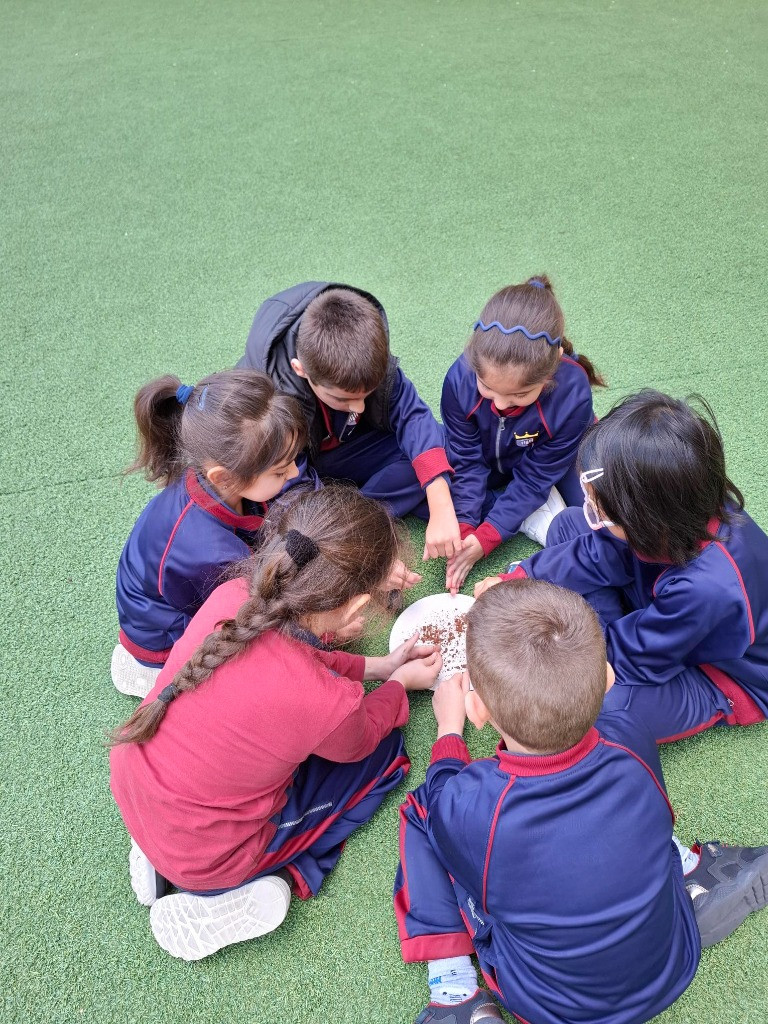
One of the simplest ways to observe robins up close is with a bird table. Place birdseed on it daily, just like in the story in “Robin Watch 1”, to help your school birds keep warm through winter (see "Bird Table Menu" - Downloadable Materials). BirdLife Malta may be able to provide a bird table, but if not, use shallow containers on a low wall as feeding stations.
5. Become Citizen Scientists (extra)
Record your observations on your Dinja Waħda activities feedback page. Your children will be part of BirdLife Malta’s first citizen science project on urban robins in schools! Together, you can follow the interactive map as it grows with everyone’s results. Even if your school has no robins, that’s still valuable data, so be sure to enter it.
Note
If your school doesn’t have robins, consider an outing to Buskett, where robins are plentiful, especially in the first term. You can also connect this activity with a Nature Watch outing to Simar or Għadira Nature Reserves (October–March).
Tip
Not sure if the call you hear is really a robin? Download the free app BirdNet on your smartphone, it will confirm if you’re listening to a robin.
Resources & Equipment Needed
- Bird table (optional) - (may be available from BirdLife Malta – contact [email protected]);
- Seeds;
You can download these instructions in PDF by clicking here: Generate PDF
Downloadable Material
Make sure to take photos of:
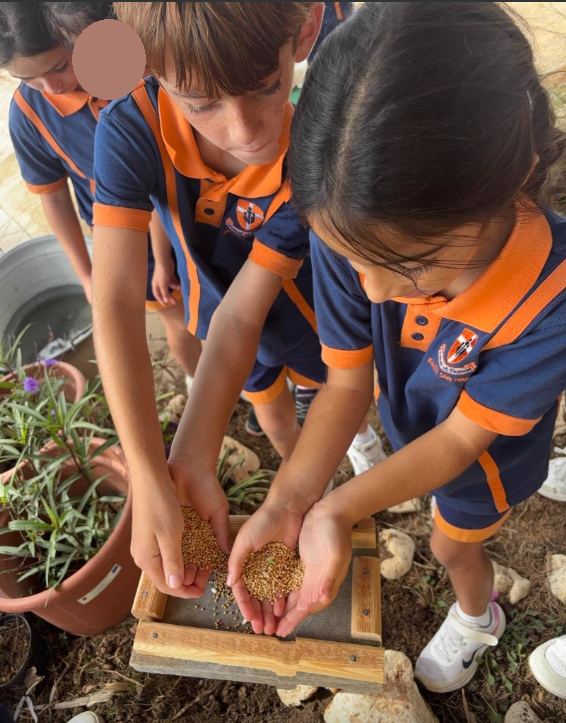
1. Children listening to the robin singing in your schoolyard2. Children putting food for the birds
Activity Photos for Inspiration
Learning Outcomes & Curriculum Integration
Subjects
- - Science
- - Art
Learning Outcomes
Science
3.4.5 I can identify different sounds in my everyday life (including soft/loud sounds).
3.4.7 I can explore and create optical illusions.
Art
I can understand that art is used for different purposes.
Integration with Curriculum
Integration with Curriculum
1. Science/Nature Studies
- Learning Objectives:
- Identify local wildlife, specifically robins.
- Understand the concept of habitats and seasonal changes.
- Activities:
- Observation Journals: Have students keep a journal where they note down observations about the robin each day, including its behaviour, song, and any physical characteristics they notice.
- Discussion: Talk about why robins are more commonly seen in winter and discuss migration.
2. Literacy
- Learning Objectives:
- Develop descriptive writing skills.
- Enhance listening and comprehension abilities.
- Activities:
- Descriptive Writing: After observing the robin, students can write a short paragraph or poem describing the robin's appearance.
- Storytime: Read stories or poems about robins or other birds, then encourage students to create their own stories based on their observations.
3. Math
- Learning Objectives:
- Use data collection and simple graphing skills.
- Activities:
- Counting and Graphing: Have students count how many times they see or hear the robin each day, then create a simple bar graph to visualize the data over a week or month.
- Measurement: Measure the distance from the classroom to the tree where the robin is usually spotted.
4. Art
- Learning Objectives:
- Express creativity through drawing and crafting.
- Activities:
- Robin Art: Students can draw or paint the robin based on their observations. They could also make robin models using clay or recycled materials.
- Bird Table Design: As a class project, design and decorate a bird table that could be placed in the school grounds.
5. Music
- Learning Objectives:
- Recognise and replicate natural sounds.
- Activities:
- Song Replication: Use simple instruments or voice to mimic the robin’s song. Students can create their own bird songs and perform them.
- Listening Skills: Play recordings of different bird songs and have students identify the robin’s song among them.
6. Environmental Education
- Learning Objectives:
- Understand the importance of caring for wildlife.
- Activities:
- Conservation Discussion: Talk about how feeding birds during the winter helps them survive and what other things can be done to protect local wildlife.
- Robin Fact Sheets: Create fact sheets about robins that can be shared with the school, teaching others about the importance of these birds.
7. Social Studies
- Learning Objectives:
- Understand the role of robins in cultural traditions and folklore.
- Activities:
- Cultural Connections: Discuss the robin's significance in different cultures, such as Christmas traditions. Students can explore how robins are featured in stories and legends.
Integration Tips:
- Cross-curricular Projects: Combine subjects into a single project, such as creating a "Robin Observation Book" where students write, draw, and collect data about their school's robin.
- Daily Routine: Incorporate robin observation into the daily schedule, perhaps during morning announcements or as a start to the day.
- Parental Involvement: Encourage students to observe robins at home and share their findings with the class.