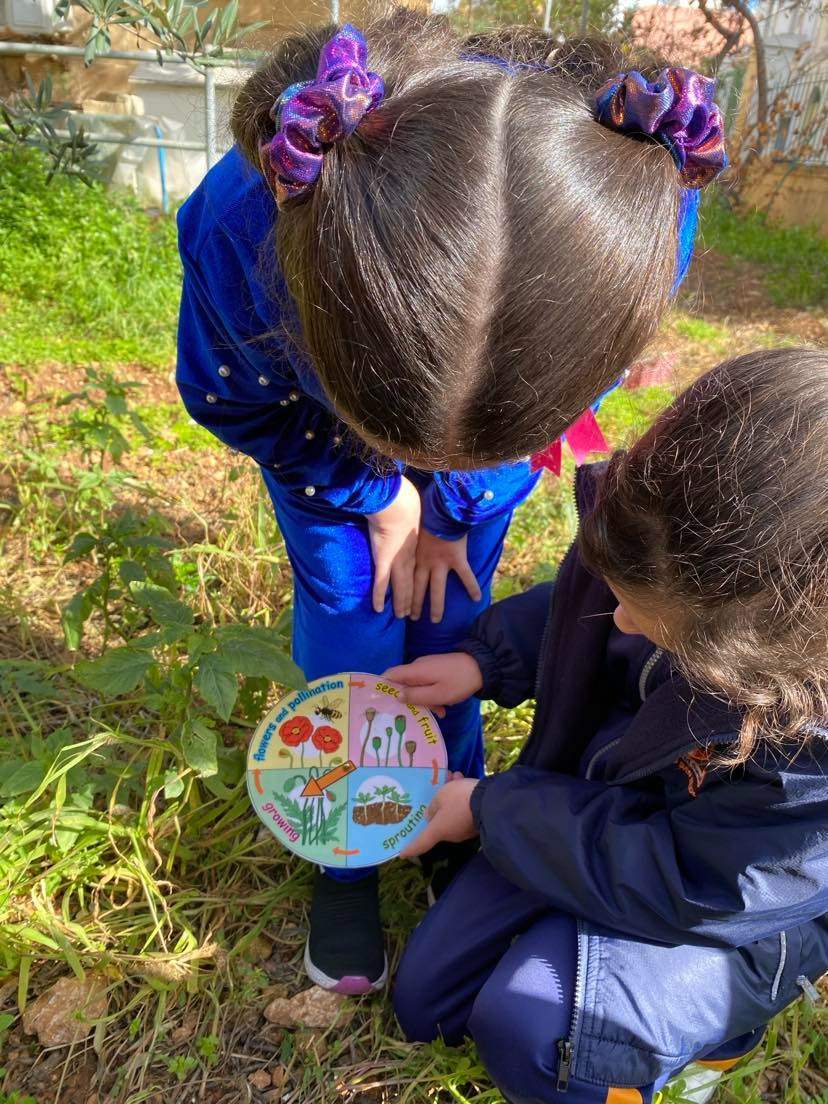
Wheel of Life 2
1. Preparing the soil for growth
Begin this activity in autumn by tilling the soil in your wildflower patch to create a clear area for seeds to grow. Explain to the children that you are preparing ideal conditions for wild plant seeds to sprout, linking back to Soil’s Magic activity from Year 1.
2. Creating the Wheel of Life
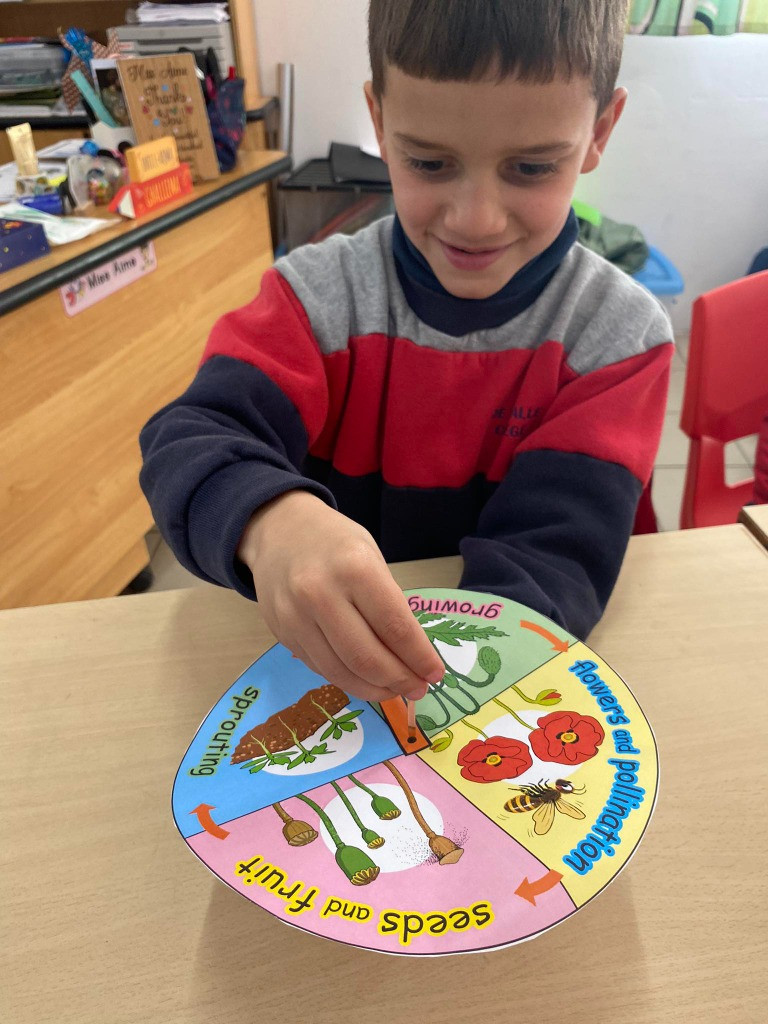
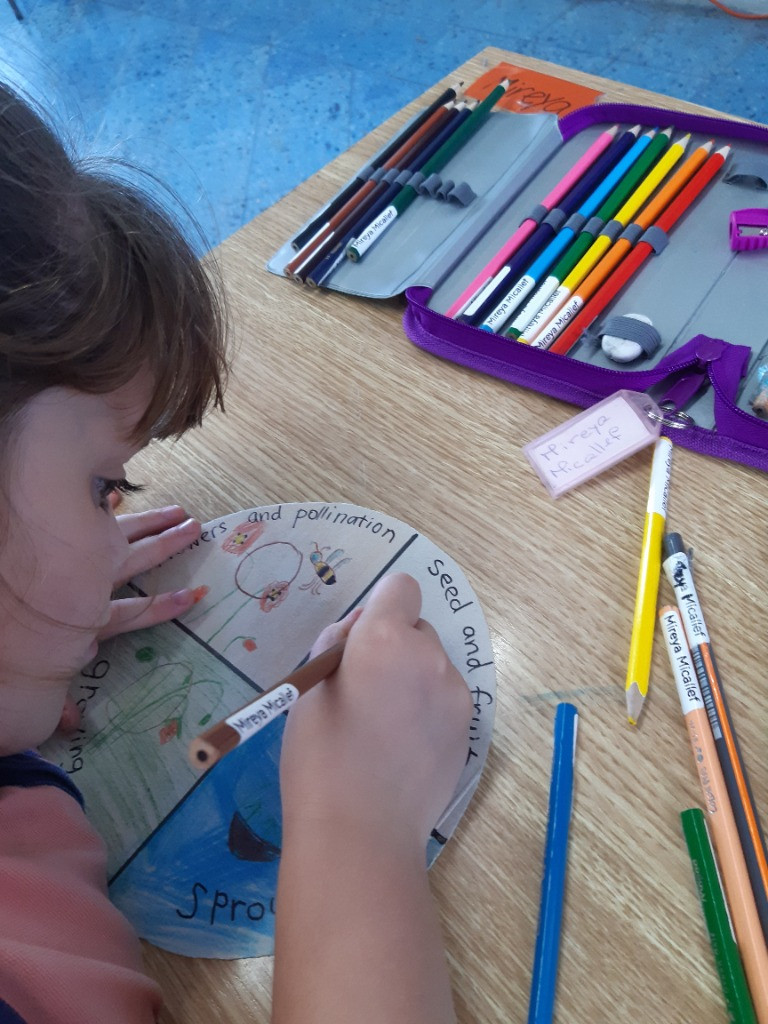
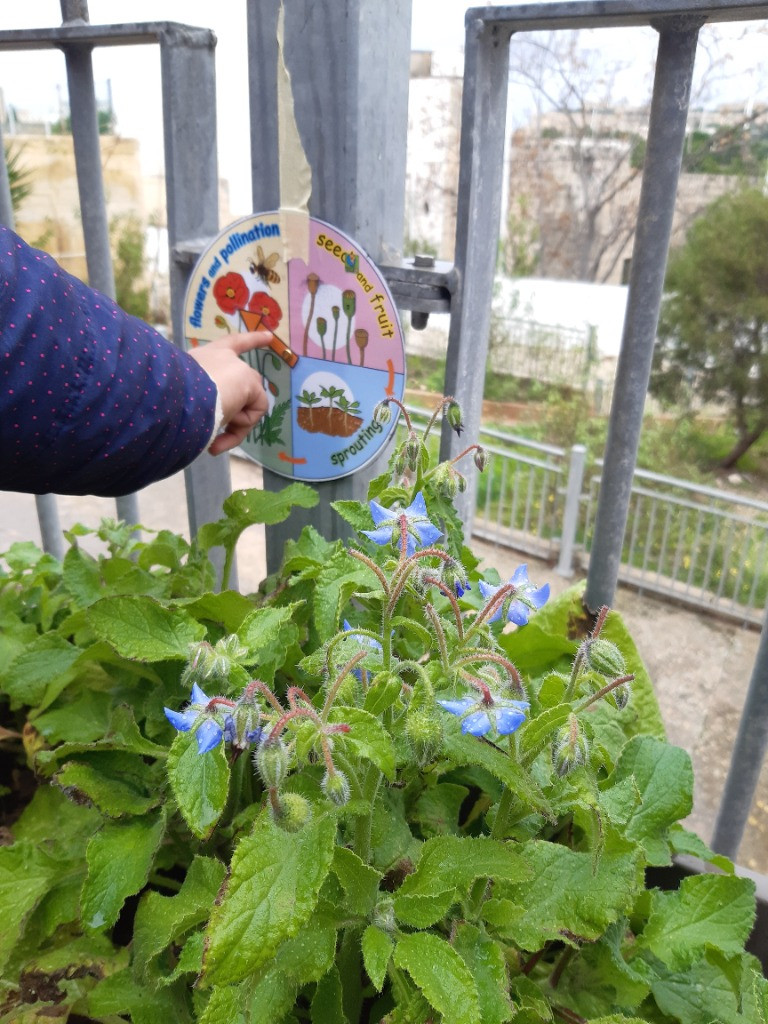
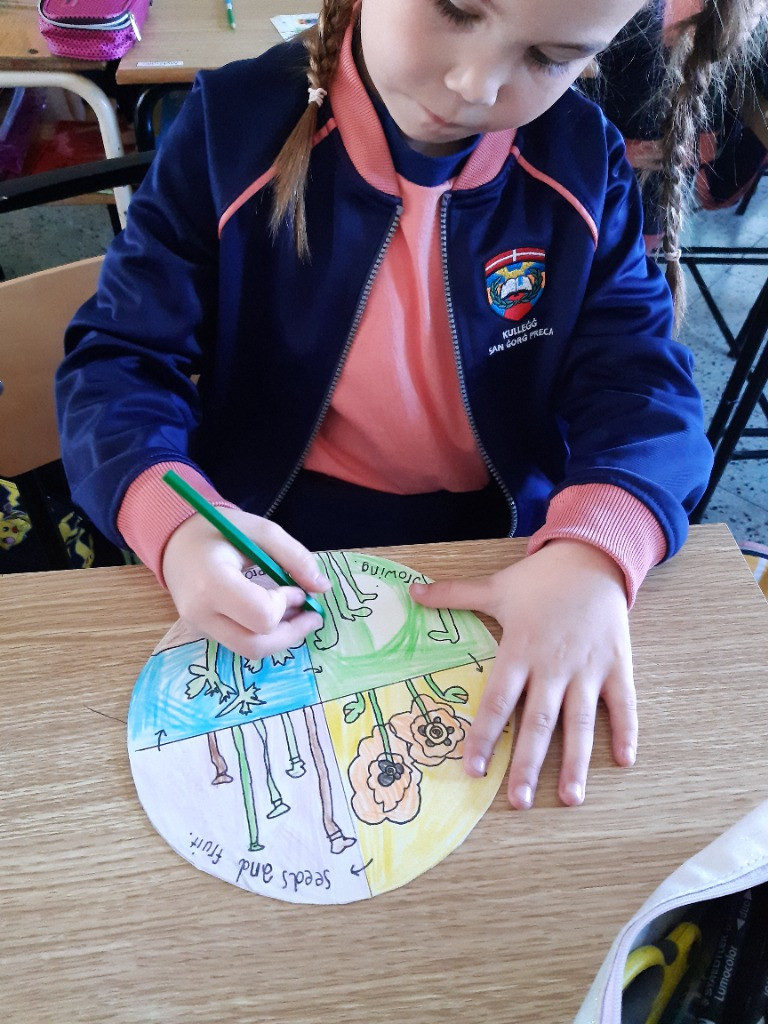
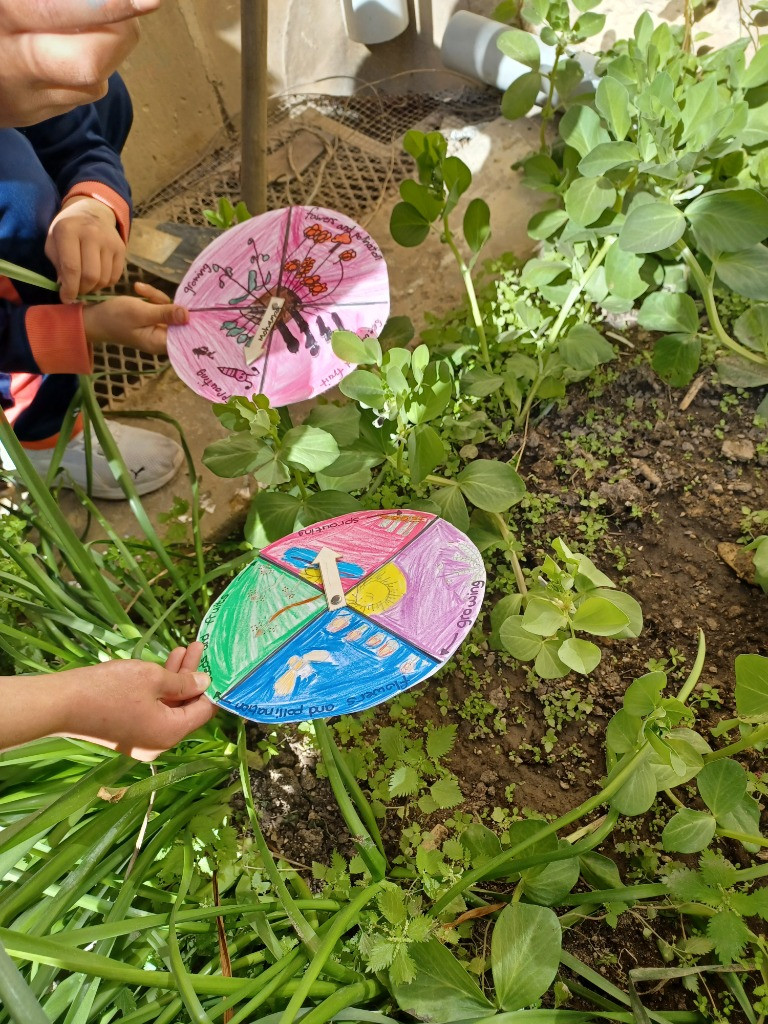
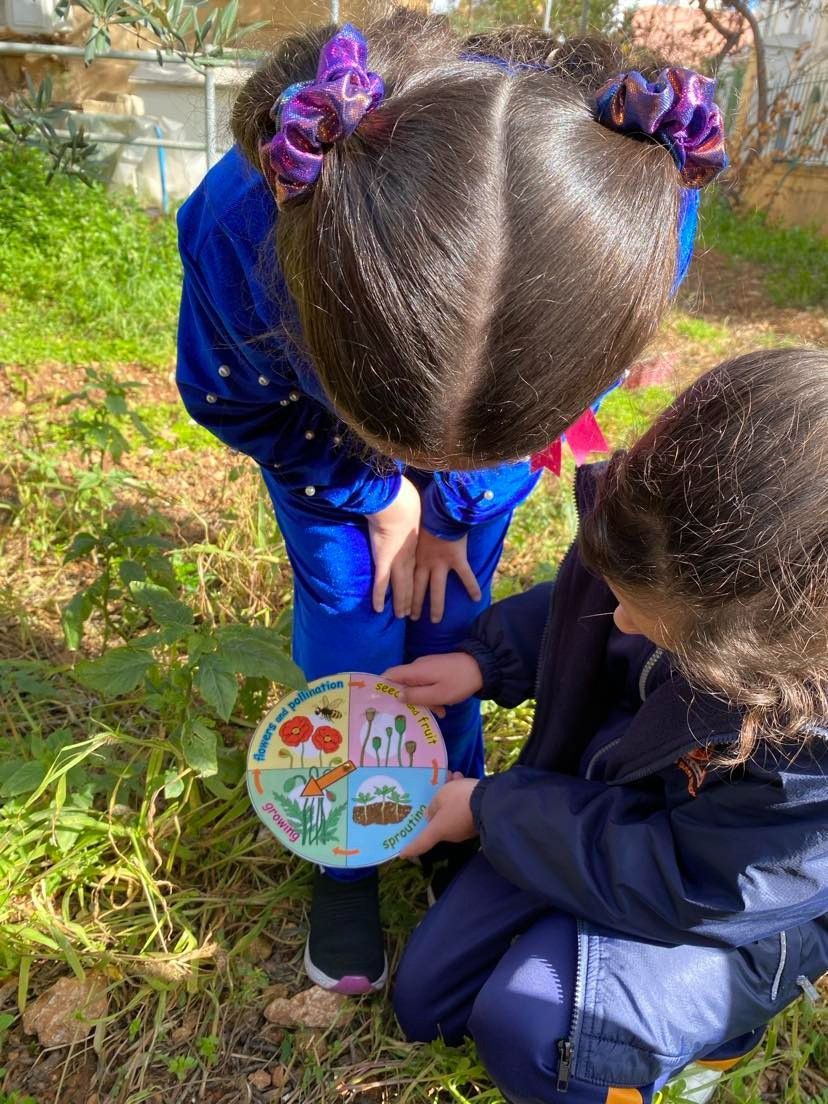
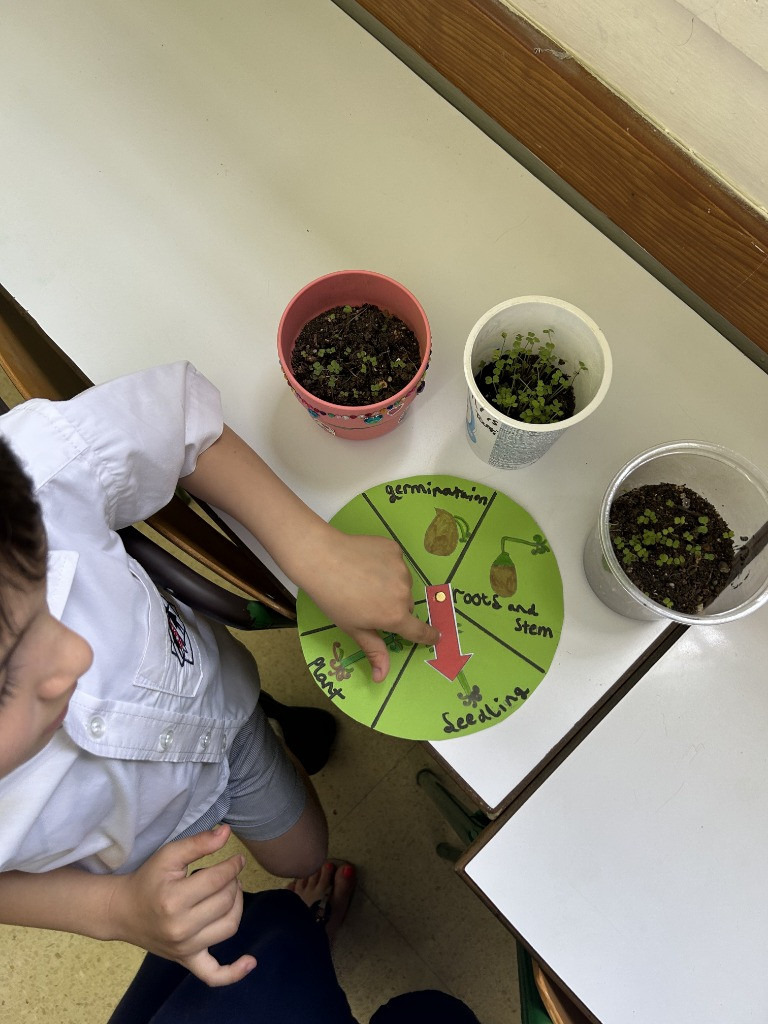
Prepare your Wheel of Life drawings. You may use the "Wheel" template in the Downloadable Materials if you wish and decide how many wheels to create for your class. Place them in different soil patches around the school.
3. Observing plant growth and seasonal changes
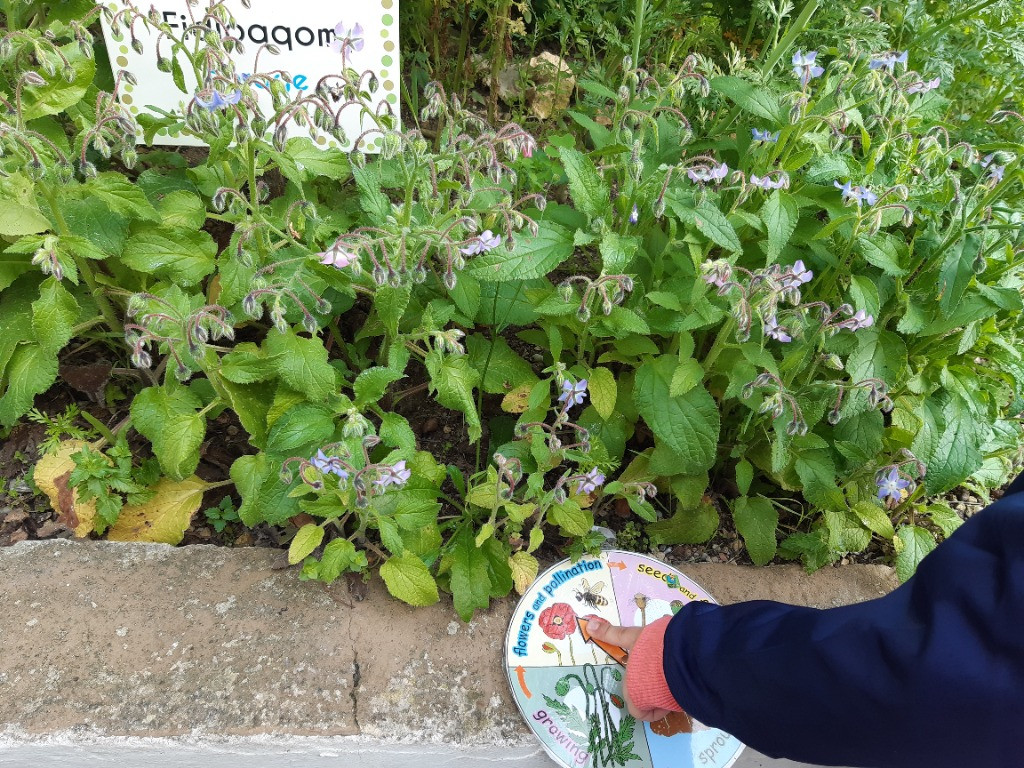
Observe your plants regularly, ensuring the dial on the Wheel of Life points to the correct stage of the cycle. Note how plants respond to weather and seasonal changes and link these observations to other subjects such as seasons and calendars. Encourage children to compare stages and notice which are longest or shortest.
4. Understanding the full plant life cycle
Go through the entire plant cycle. Emphasize that the stage when flowers dry is not “ugly” but essential for life, as seeds are forming. Explain that these seeds will grow into next year’s plants and provide food for insects and birds.
Tip: You may collect some seeds in labelled paper bags for next year but always leave plenty for nature.
Resources & Equipment Needed
- Paper and card backing;
- Colours;
- Butterfly clip;
- Glue;
- Scissors;
- Stick to insert in soil;
You can download these instructions in PDF by clicking here: Generate PDF
Downloadable Material
Activity Sheet_Wheel of life 2
PDF Document
Wheel
PDF Document
Make sure to take photos of:
1. Children making their wheel of life2. Fixing the wheels in place
3. The wheels of life at different stages
Activity Photos for Inspiration
Learning Outcomes & Curriculum Integration
Subjects
- - Science
- - English
- - Maths
Learning Outcomes
Science
3.1.1 I can ask questions about the world around me.
3.1.4 I can carry out a simple practical investigation with the teacher’s support.
3.1.5 I can record observations in a simple format.
3.1.8 I can describe what I did and what happened by talking about it or by drawing a diagram.
3.2.4 I can name and describe the purpose of the basic parts of a plant.
3.2.5 I can put the different stages in the life of a flowering plant in order.
3.7.4 I can talk about various weather conditions experienced in Malta throughout the year.
3.7.5 I am able to distinguish between the four seasons with regards to weather conditions.
English
W 5.9 I can write a paragraph appropriately for an audience and with a purpose.
LS 5.10 I can listen to others, letting them put forward their point of view and take turns in a discussion and/or conversation.
LS 5.15 I can convey a message accurately and clearly.
Maths
5.4.23 I can read and use a calendar.
5.7.1 I can collect, sort, organise (including tally) and classify data in a table.
Integration with Curriculum
Instructions for teachers:
1. Encourage students to keep a journal or investigation booklet where they can write/draw their observations, similar to what they did with the bean in the jar.
2. Introduce the seasons and their characteristics. Discuss the effects of weather on plants: How does the weather change from one season to another? How does rain help the plants grow? What happens when it rains heavily for too long? What does the summer heat do to plants?