Home Sweet Home 3
1. Remember why Rubble Walls matter
Recall the Habitats presentation and discuss why rubble walls are important for wildlife.
2. Get ready for a Field Visit
Plan a safe visit to a nearby rubble wall, ideally next to a field. Make sure it really is a rubble wall (see "Rubble Facts!" in Downloadable Materials). Make copies of "The Wall worksheet" (Downloadable Materials) for your students.
3. Explore the wall
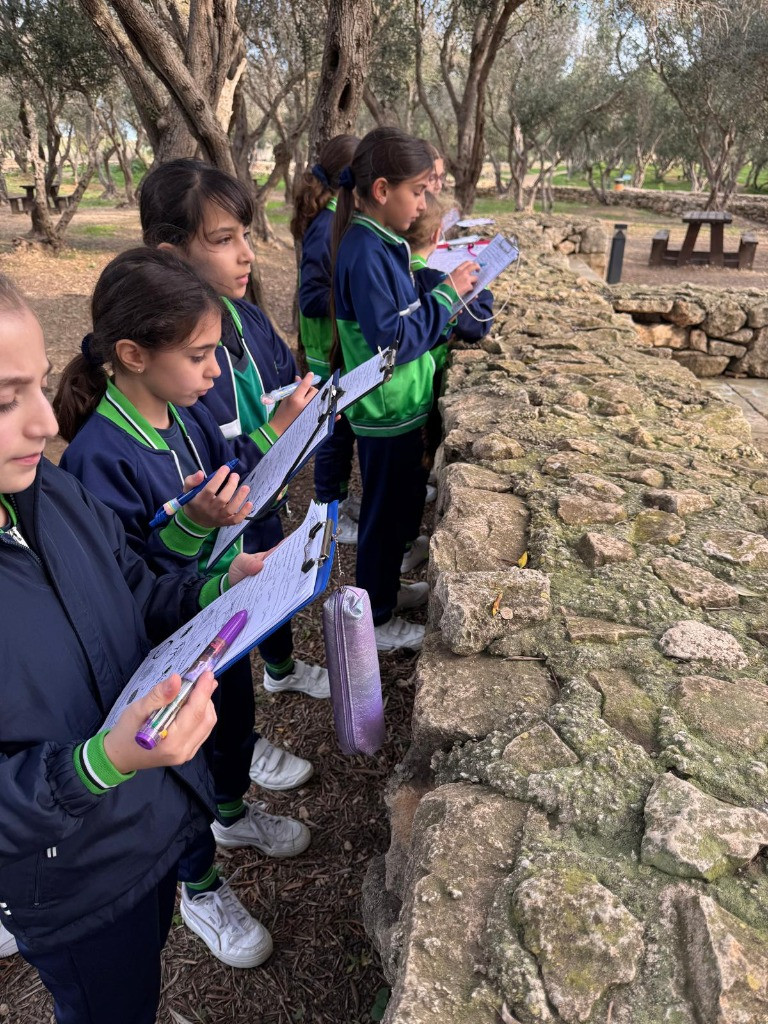
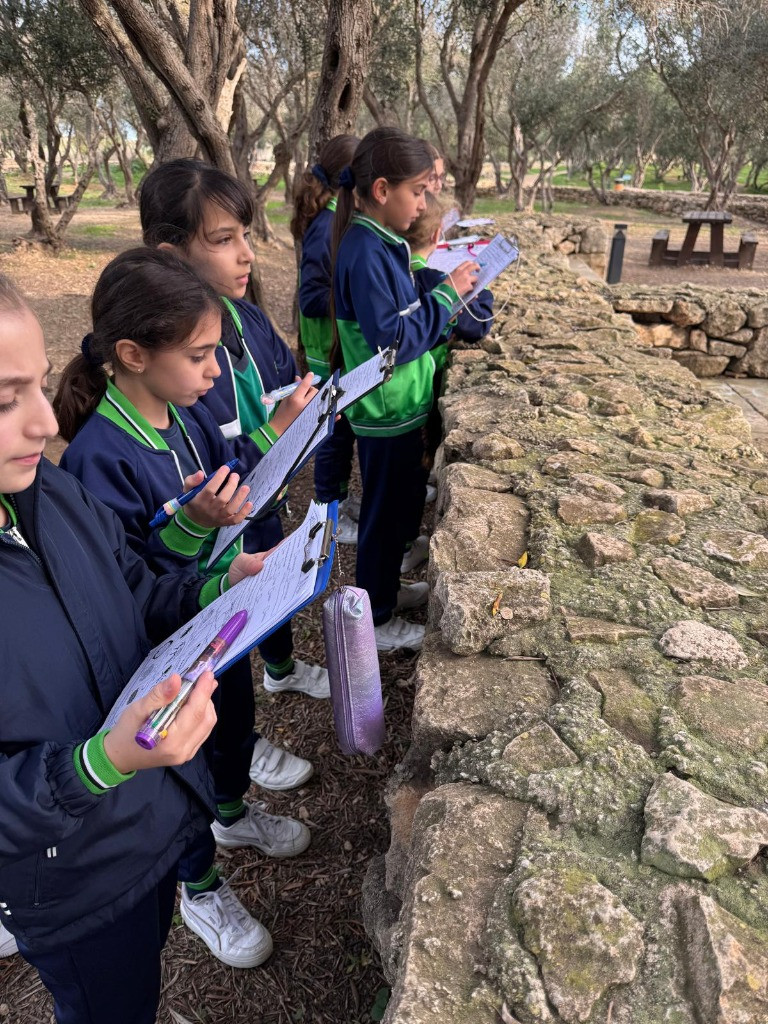
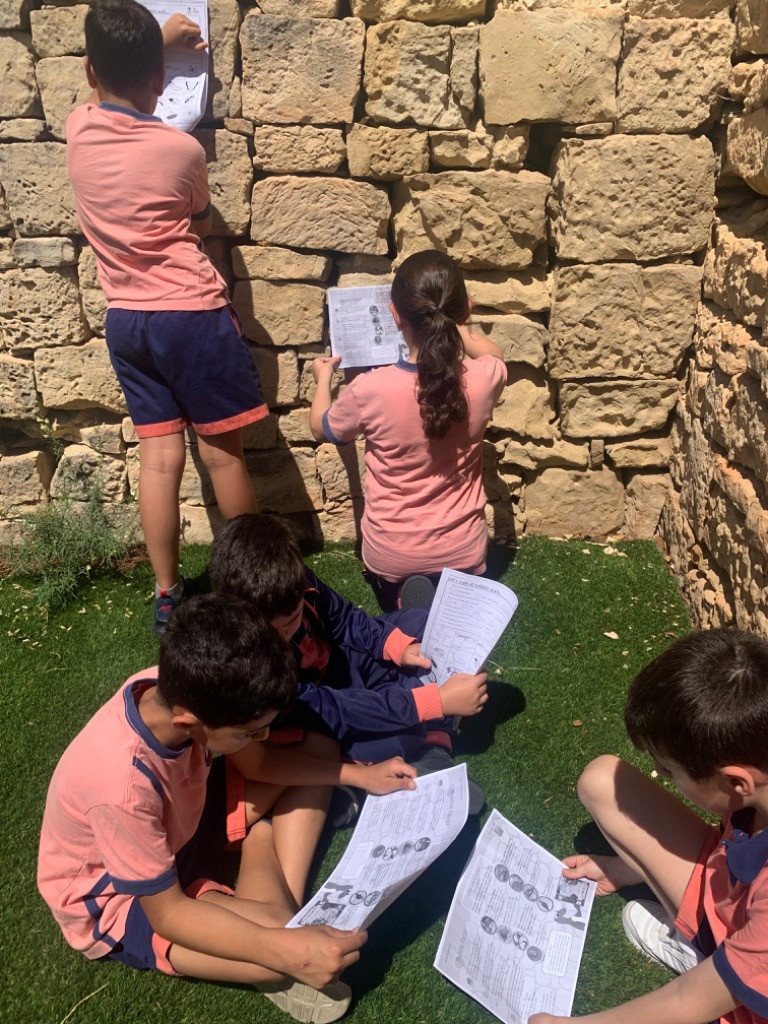
On site, divide the class into small groups to investigate the wall. Emphasize careful observation without disturbing nature: no handling animals, picking flowers, or pulling leaves. Help children fill in the worksheet as they explore.
4. Talk about what you saw
Sit in a circle and discuss the activity. Highlight threats to rubble walls, such as:
- People pulling down walls to search for snails.
- Collapsed walls being replaced with brick or franka walls, which are cheaper but less wildlife friendly.
5. Share your findings
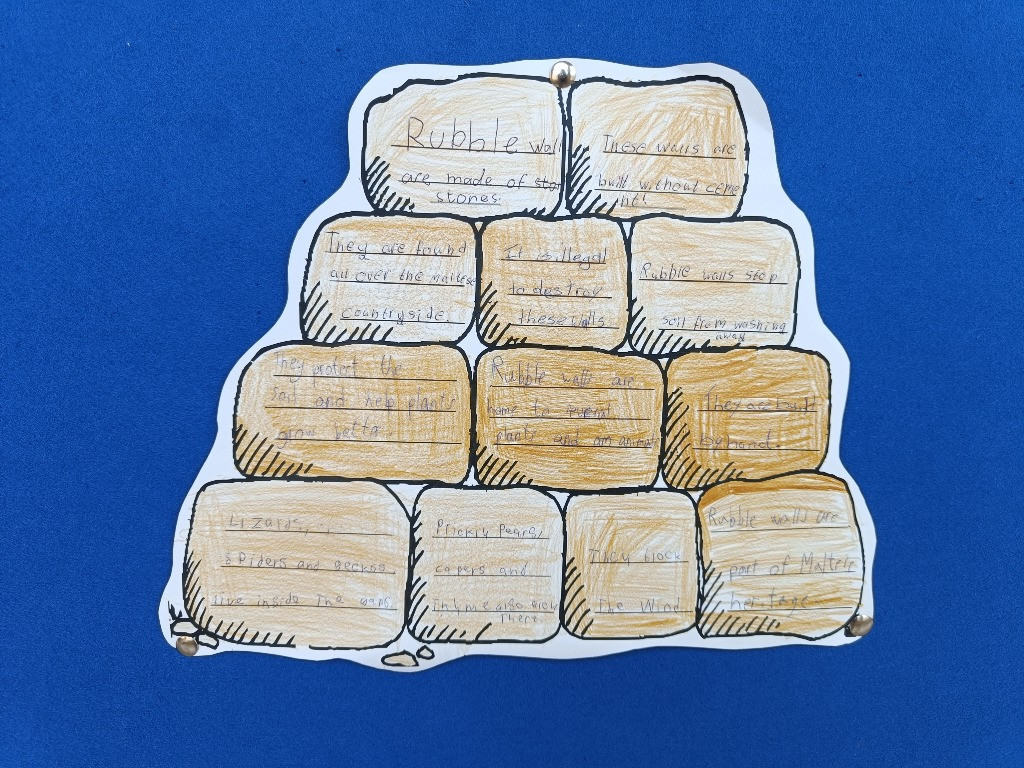
Back at school, display the information gathered from the field trip. Decide together how to present it, make sure visuals are clear, captions explain things effectively, and the display is in a public space. Consider teaming up with other classes to educate the school community about rubble walls.
Resources & Equipment Needed
- Clipboard (per group);
- Pens/pencils;
You can download these instructions in PDF by clicking here: Generate PDF
Downloadable Material
Activity Sheet_Home sweet home 3
PDF Document
Rubble facts!
PDF Document
The wall worksheet
PDF Document
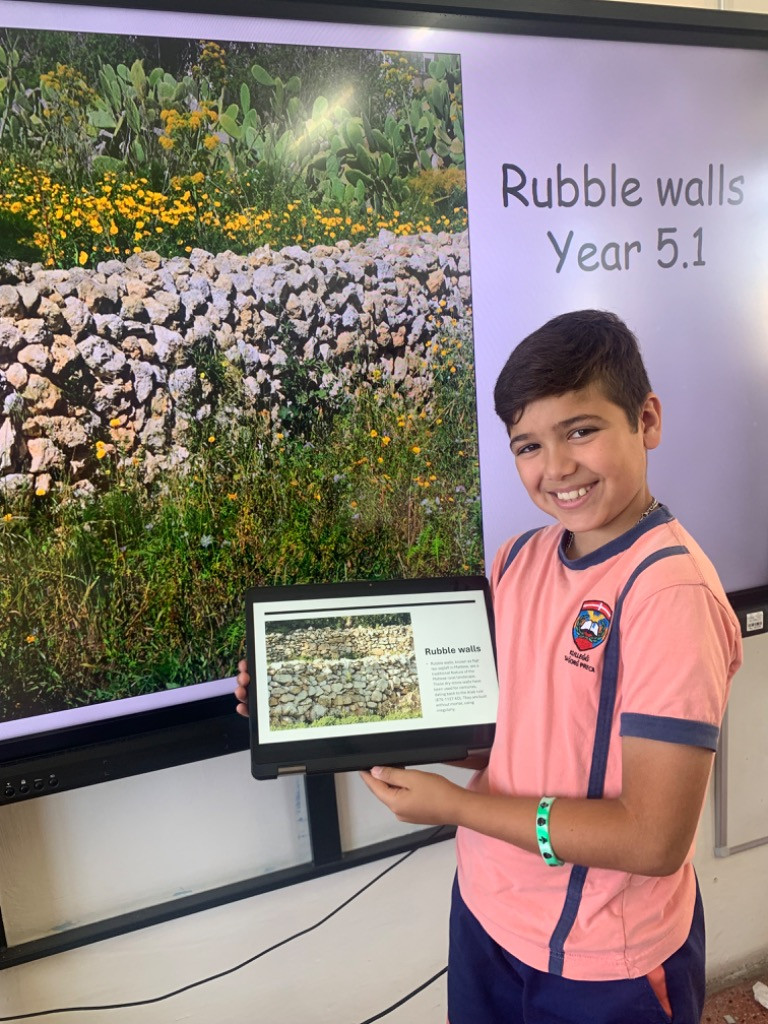
Make sure to take photos of:
1. Children on field trip investigating wall2. Display
Activity Photos for Inspiration
Learning Outcomes & Curriculum Integration
Subjects
- - Science
- - Maths
- - Art
Learning Outcomes
Science
5.1.5 I can record observations in a simple format.
5.1.6 I cam make simple conclusions from my observations.
5.1.14 I can take basic measurments of size.
Maths
5.4.11 I can estimate, measure and compare lengths, masses and capacities.
Integration with Curriculum
Suggestions for teachers:
1. This could be used as part of the Science assessment.
2. If this activity cannot be carried out at school or as an outing, students can visit a rubble wall with their parents and carry out the activity. Afterwards students can still share thier finding and display the information collected.
3. An art lesson could be integrated where the students create a model or draw a rubble wall to use it in thier display.
4. A STEAM activity could be carried out where students have to build their own rubble wall. Teachers could add different challenges e.g. the highest rubble wall.